You can tax steel, trade insults, and threaten borders, but messing with a body of water's actual name crosses into a whole different category of political theater. Ontario Premier Doug Ford didn't issue a boring press release or a stiff diplomatic note when Washington decided to redraw mental maps. Instead, he rented equipment, grabbed a bilingual sign, and planted a two-story billboard right on the Canadian shoreline.
The message reads Lake Ontario. Now and Always in English and French. It is loud. It is impossible to miss. And it exposes the absurdity of modern cross-border posturing. In related updates, we also covered: Why Military Pushback Against Hegseth Proves Washington Is Missing The Real Threat.
The Map Isn't the Territory
Let's look at what triggered this shoreline spectacle. Following the collapse of trade negotiations and the imposition of heavy U.S. tariffs on Canadian goods, President Donald Trump signed an executive order instructing federal agencies to refer to Lake Ontario as Lake America. Google Maps quickly adapted for U.S. users to mirror the official decree, proving once again that tech platforms will bend over backward to reflect whoever holds the executive stamp.
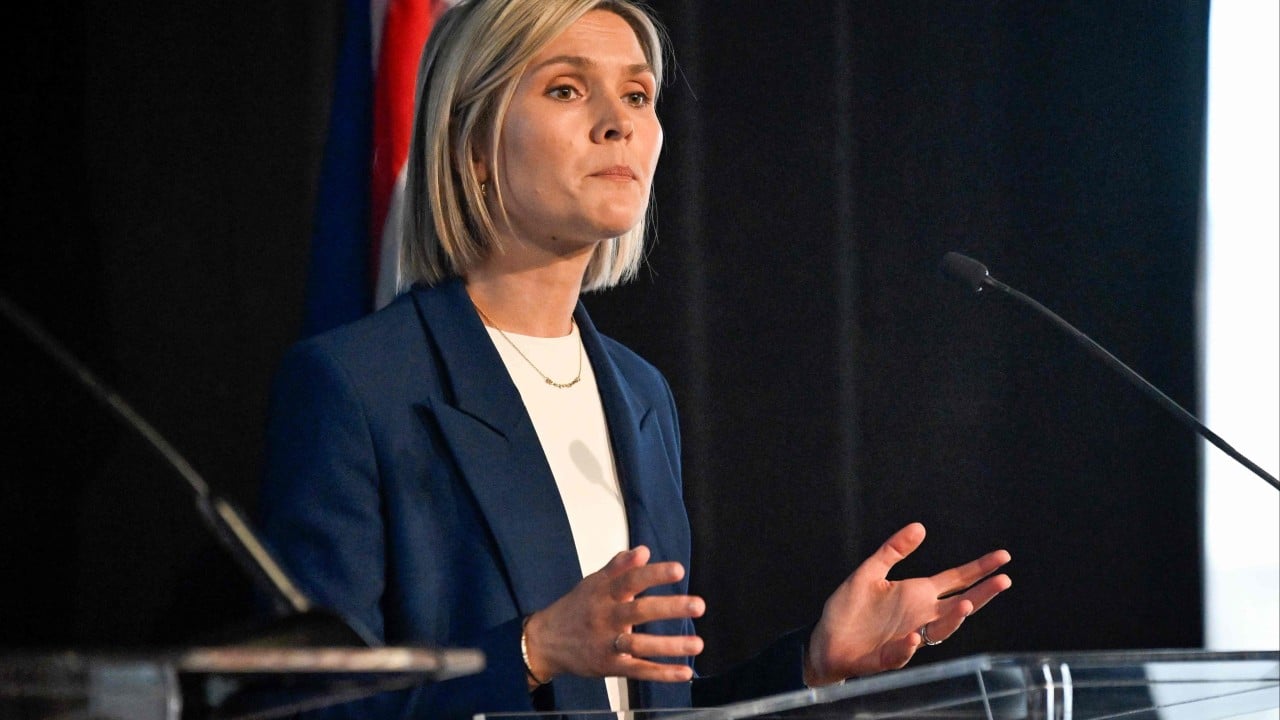
But sovereignty doesn't change because a server in Silicon Valley updates a label. Ford stood near Grimsby, Ontario, wearing a Team Canada soccer jersey, pointing out a basic reality: geographic names rooted in centuries of history don't vanish because of a presidential whim. BBC News has analyzed this critical subject in extensive detail.
The name itself comes from the Huron-Wendat word oniatarí:io, meaning lake of shining waters. That linguistic footprint predates the United States Declaration of Independence by centuries. Trying to overwrite it with a domestic executive order is less of a strategic policy move and more of a digital age publicity stunt designed to play well at domestic campaign rallies.
When Trade Wars Turn Into Cartographic Spats
We have officially entered an era where political friction spills over into petty administrative cartography. This whole routine feels strangely familiar. Last term, the administration directed federal agencies to rename the Gulf of Mexico as the Gulf of America, treating international waters like a corporate rebranding exercise.
Canadian leaders aren't losing sleep over the decree, opting instead for biting sarcasm. Manitoba Premier Wab Kinew compared the tactic to an aging rock band playing deep cuts at a casino lounge. It is an aging trick meant to energize a specific base, but to the rest of the world, it just looks tired.
Behind the jokes, though, the economic stakes are painfully real. Tariffs are hitting supply chains hard, and political insults are flying fast. When Ford mentioned that Ronald Reagan would be disgusted by current protectionist policies, Trump fired back with insults mocking the premier's family history. That is the actual climate governing North American relations right now. Petty name-calling replaces diplomacy, and physical billboards become diplomatic cables.
Why This Sign Matters More Than You Think
You might wonder why a provincial leader would waste time and taxpayer optics on a giant piece of painted plywood. The answer comes down to domestic morale and political signaling. Canada is facing relentless pressure from its southern neighbor, including loose talk about absorption and 51st-state status.
When a superpower starts treating a sovereign peer like a dependent territory, symbolic resistance carries weight. Ford's sign tells Ottawa, Washington, and everyone watching that complacency isn't an option. Prime Minister Mark Carney has pushed back firmly against the administrative rebrand, and regional leaders are drawing hard lines on the map.
Governors south of the border, like New York's Kathy Hochul, have already signaled they aren't adopting the "Lake America" nonsense, recognizing how disruptive it is for local trade, tourism, and sanity.
The sign near Grimsby won't stop a tariff or fix a collapsed trade deal. But it marks a boundary. Leaders are done treating these provocations as harmless noise. Next time a politician tries to rewrite a map with a stroke of a pen, they should expect a massive reminder anchored in concrete staring right back at them.