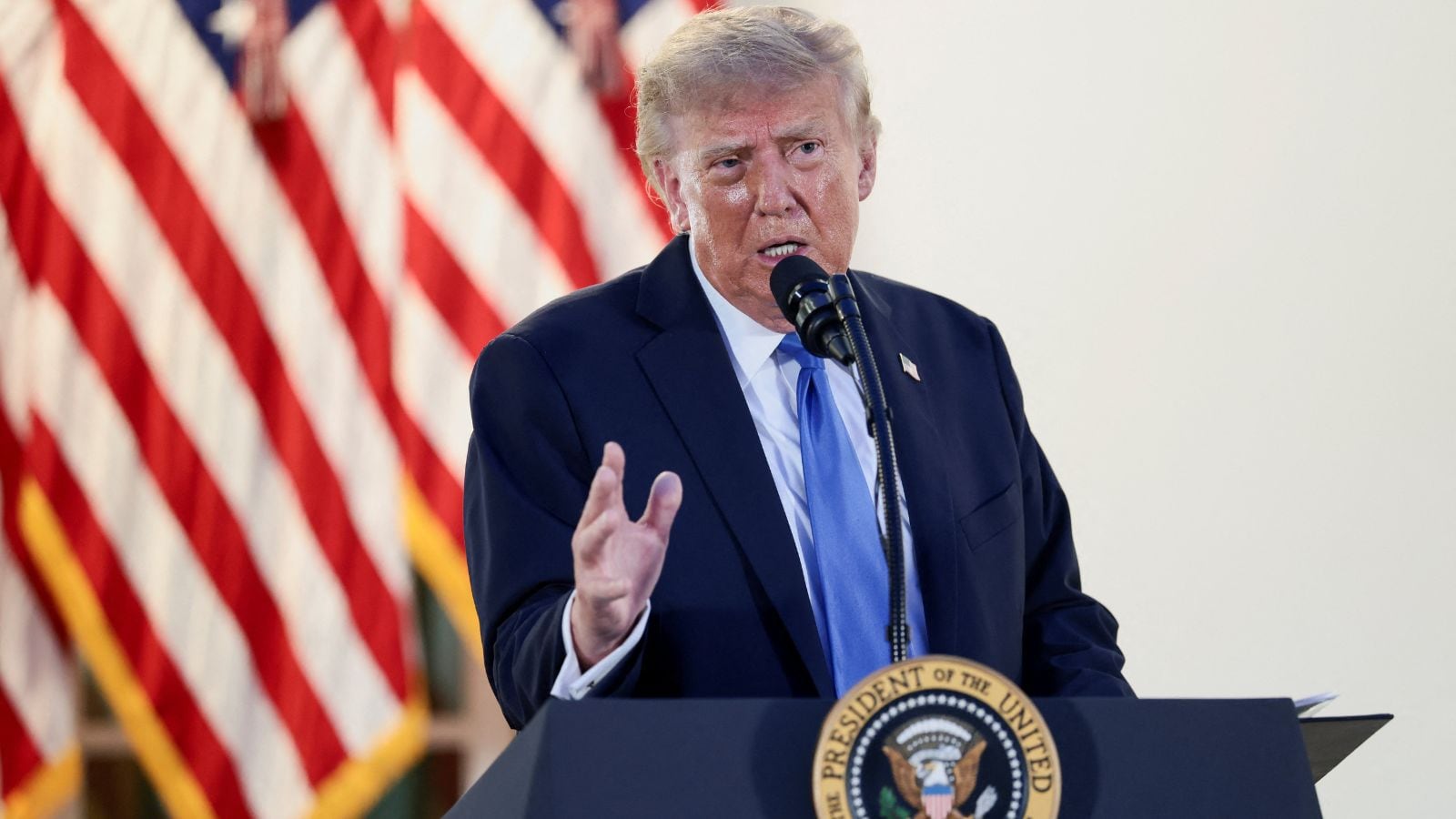
Ontario Premier Doug Ford is publicly expressing his desire for U.S. President Donald Trump’s party to lose control of both the House and Senate in the upcoming midterm elections, a remarkable departure for a politician who once openly cheered that same administration’s ascent. As the White House escalates a brutal economic confrontation by slapping aggressive tariffs on Canadian automotive and industrial goods, Ford has moved from private frustration to open political warfare. The public rhetoric has deteriorated into personal insults, trade retaliations, and threats to choke off cross-border energy. Yet beneath the theater of insults lies a deeper economic vulnerability that exposes the fragility of Canada's industrial heartland under the weight of American protectionism.
For years, the provincial administration operated under the assumption that geographical proximity and integrated supply chains offered immunity from populist trade policy. That assumption died the moment the White House threatened sweeping fifty percent tariffs on Canadian exports, targeting everything from steel and aluminum to the automotive backbone connecting Windsor to Detroit. Ford's pivot from an ideological ally of American conservatism to an opponent praying for a congressional sweep by the Democrats is not just a personal grievance. It is a desperate calculation born from the realization that Ontario’s manufacturing sector cannot survive a protracted attritional war waged from Washington.
The Anatomy of a Fractured Supply Chain
Look closely at the economic architecture of the Great Lakes region, and you will see a system built on frictionless movement. Auto parts cross international boundaries multiple times before a vehicle ever rolls off an assembly line. When tariffs disrupt that flow, production schedules shatter within hours.
To understand the mechanics of this pressure, consider a hypothetical auto parts manufacturer in London, Ontario. Operating on razor-thin inventory margins, the plant relies on raw steel delivered from mills in Indiana and electronic microchips sourced through American distribution hubs. When a steep tariff hits those imports, the cost structure explodes overnight. The facility cannot simply pass those expenses onto consumers without pricing itself out of the market, nor can it instantly source local alternatives that took decades to integrate across the border.
This structural interdependence is precisely why Ford's threats to restrict electricity exports or ban American liquor from provincial retail shelves carry heavy risks. Ontario supplies critical power to millions of homes and businesses in neighboring American states. Weaponizing that grid creates immediate political leverage, but it also triggers swift retaliation that can choke off the refined petroleum and manufacturing inputs Canadians rely on every single day.
The Political Gamble in Washington
Hoping for a shift in congressional power is a high-stakes gamble for a provincial premier. Midterm elections are notoriously fickle, driven by domestic inflation, localized voter fatigue, and candidate quality rather than foreign trade disputes. Even if the opposition party manages to flip chambers in Washington, structural protectionism has found bipartisan backing in recent cycles. Both major American parties harbor protectionist factions that view traditional trade agreements with deep suspicion.
Furthermore, public declarations wishing electoral defeat on American lawmakers hand the White House an easy rhetorical weapon. It allows the administration to frame Canadian pushback as foreign electoral interference rather than a legitimate defense of a sovereign trading partner. The fallout has already poisoned diplomatic channels, with personal insults traded publicly and long-term infrastructure projects caught in the crossfire.
Ontario is attempting to diversify its economic partnerships away from an increasingly unpredictable southern neighbor, pouring resources into domestic trade corridors and alternative international markets. Yet breaking decades of heavy reliance on the American consumer market cannot happen over a legislative session or two. The logistical gravity of the United States remains too powerful to escape easily.
The trade conflict has forced a hard reckoning inside Canadian boardrooms and legislative chambers. The era of predictable cross-border commerce is over, replaced by a transactional hostility that rewards aggressive nationalism. Whether wishing for a congressional wave will alter the trajectory of White House policy remains highly doubtful, but it underscores just how desperate the economic defense has become as the border tightens.
Ontario premier hopes US Republicans lose House and Senate
This coverage details the escalating trade tensions and Premier Doug Ford's public comments regarding the U.S. midterm elections.