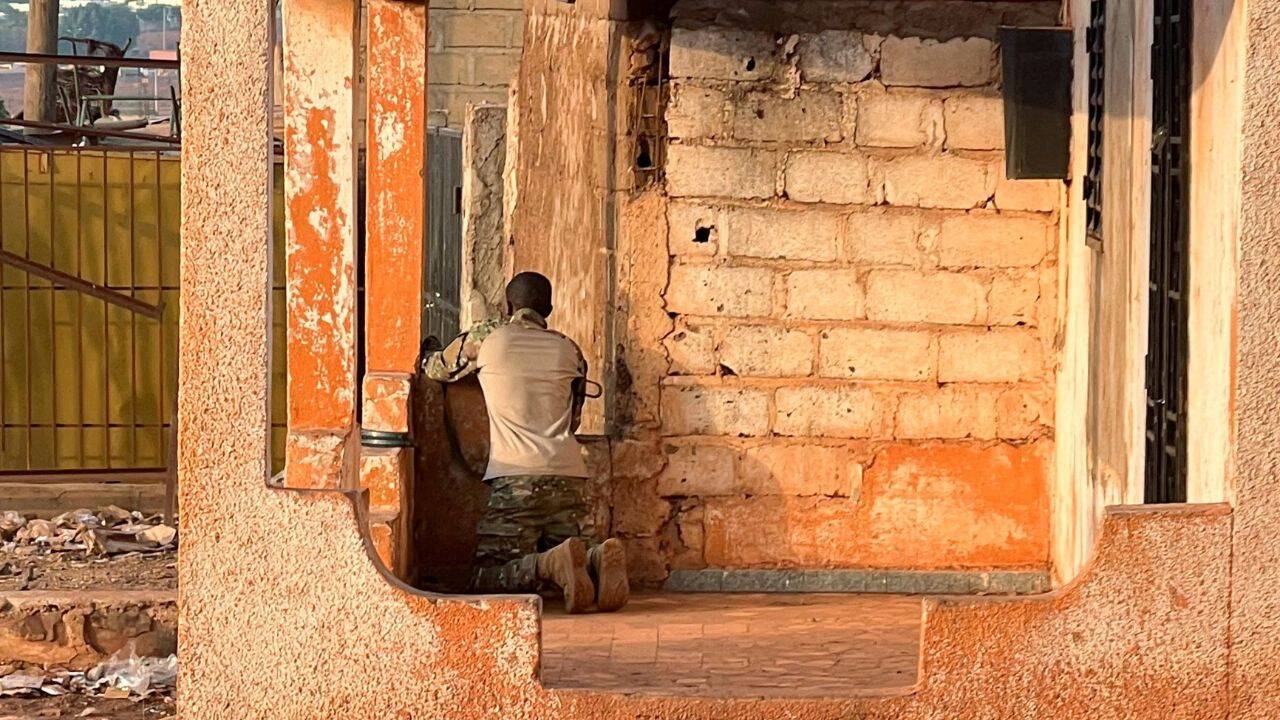
Drone strikes in Mali have become the deadliest shortcut in the Sahel, and honestly, the math doesn't work for anyone involved. Human Rights Watch documented dozens of strikes tied to Malian forces and Russia's Africa Corps between April and August 2026 that killed 94 civilians, more than doubling the toll from the same stretch a year earlier.
When an armed drone hits a market or a village compound in central or northern Mali, the people pulling the trigger usually call it a counterinsurgency win. Locals see something else. They see cratered homes, unburied neighbors, and officials brushing off questions with a shrug.
That gap between military confidence and local reality is where insurgencies grow. If you're following West African security, the numbers alone are alarming. The strategic blowback is worse.
How Drone Strikes in Mali Escalated So Fast
For years, Mali's conflict looked like a grind of desert raids, ambushes, and sparse airpower. Once Mali's ruling junta leaned harder on Russia's Africa Corps—the state-backed force that succeeded Wagner—the air campaign shifted into a faster, higher-volume rhythm.
In April 2026, coordinated attacks by Tuareg separatists and al-Qaeda-linked Jama'at Nusrat al-Islam wal-Muslimin (JNIM) rattled the central government across multiple fronts, even killing Mali's defense minister near the capital. Faced with territorial pressure and stretched ground troops, air and drone strikes ramped up sharply across the spring and summer.
More strikes don't automatically mean sharper intelligence. In wide rural zones where armed groups blend into daily life, remote surveillance often struggles to separate fighters from farmers, traders, and herders.
The Human Cost Behind the Headline Numbers
A death toll on a spreadsheet is clean. A strike on the ground is messy, loud, and personal.
Take the Mopti region, which has repeatedly borne the brunt of aerial operations and counter-insurgency clashes. In reporting on abuses in Mopti, Human Rights Watch examined geolocated footage and eyewitness accounts from a September 2026 strike in Guélédié village, where health workers described pushback when trying to evacuate wounded residents. Earlier, in July 2026, witnesses in Kyrnia described low-flying aircraft and explosions tearing through areas near a cattle market and local homes.
Here's what people often miss about civilian harm in these conflicts:
- Delayed or blocked care turns wounds fatal: When injured villagers can't get evacuated quickly, treatable blast injuries become life-threatening.
- Blanket labels erase accountability: Calling every victim a suspected militant lets commanders avoid hard questions about target verification.
- Grief turns neutral communities hostile: Even families who dislike armed groups will resent the side that dropped ordnance on their relatives.
I've watched counterinsurgency campaigns across conflict zones repeat this exact mistake for decades. Leaders chase tactical speed from the air while burning through the political trust they need to hold ground.
Why Russia's Africa Corps Is Treating Mali Like a Lab
Mali isn't just a security crisis for Bamako. It's a proving ground for Moscow.
Analysts covering the conflict have pointed out that Russia's Africa Corps has leaned heavily on unmanned systems—including loitering munitions and suicide drones—as the pace of operations climbed. From a defense-industry standpoint, real-world combat tests hardware under harsh heat, dust, and contested conditions.
Yet turning active warzones into a showcase carries a steep price. Conflict researchers have warned that rising civilian deaths from Africa Corps-linked drone strikes risk feeding insurgent recruitment rather than breaking the rebellion. You can hit a compound today and create five new recruits by next month.
The Accountability Vacuum
One of the hardest parts of reporting on Mali right now is the wall of silence. Both Malian authorities and Russian officials have routinely brushed off or left unanswered serious allegations surrounding unlawful strikes and abuses.
When oversight mechanisms weaken—and regional states clash with international legal bodies—victims lose even basic avenues for redress. Without independent, credible investigations into specific strikes, every disputed incident festers as rumor, anger, and propaganda.
What Smart Observers Should Watch Next
If you want to cut through noise and track whether this escalation is peaking or spreading, focus on concrete indicators rather than bold claims from any side.
- Track verified strike clusters, not just totals: Watch whether strikes concentrate around contested supply routes, towns seized in offensives, or rural markets—that tells you where operational pressure is highest.
- Look for medical and local corroboration: Cross-check claims against health-worker reports, satellite or video geolocation, and multiple independent witnesses rather than single accounts.
- Watch insurgent messaging and recruitment shifts: Pay attention to how JNIM and separatist factions frame civilian casualties in local outreach, because narrative momentum often precedes territorial gains.
- Monitor regional spillover: Keep an eye on border security and displacement trends in neighboring Sahel states, where instability in Mali rarely stays neatly contained.
Human Rights Watch Reports Serious War Violations and Rising Civilian Casualties in Mali provides an interview with Senior Sahel Researcher Ilaria Allegrozzi discussing the surge in drone strikes, civilian casualties, and broader violations in Mali.