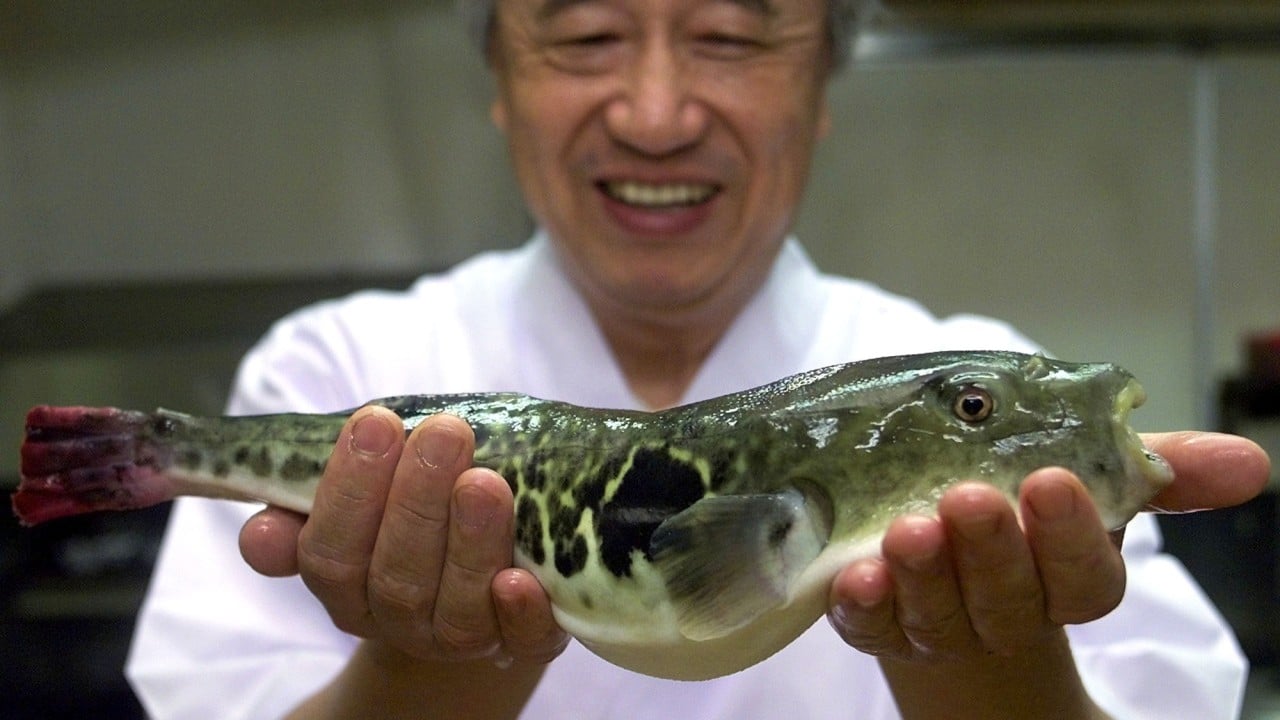
You are paying a small fortune for the privilege of temporary paralysis. That is the pitch behind fugu, Japan’s most notorious culinary export. Chefs slice the translucent white flesh of the tiger blowfish paper-thin, arranging it on a painted plate like a blooming chrysanthemum. It looks harmless. It costs a hundred dollars or more a meal. And it contains enough tetrodotoxin to kill thirty adult humans.
People assume the danger comes from a lack of skill in the kitchen. They think rogue cooks are just missing the mark. The reality is far stranger and much more uncomfortable. Climate change is rewriting the rules of the ocean. Warmer waters are shifting fish habitats northward. Fugu are breeding in places they never used to touch. That shift is creating genetic hybrids in the wild. Don't miss our previous article on this related article.
The Ocean Is Mixing the Cards
Nature is doing something chefs never expected. Tiger blowfish are meeting closely related species in warming northern waters. They are mating.
Genetic crossbreeding changes everything. For decades, the danger zone was predictable. Chefs knew exactly which organs held the highest concentrations of the neurotoxin. The liver, the ovaries, the skin. You remove those parts with surgical precision, and the meat remains safe to eat. To read more about the context of this, Travel + Leisure provides an informative breakdown.
Hybrids break those old maps. When two different blowfish species cross paths and reproduce, the toxin doesn't stay neatly tucked away in the traditional spots. It spreads. It shows up in muscle tissue where it shouldn't be. Chefs trained for decades on traditional anatomy suddenly find themselves working with biological puzzle boxes.
Fishermen off the coast of regions like Ibaraki are pulling up strange-looking specimens. These aren't the standard tiger blowfish of Tokyo's high-end counter service. They are mutts of the sea. They carry chemical signatures that defy standard inspection protocols.
The Illusion of Absolute Safety
Japan treats fugu like a sacred trust. The licensing system is brutal. You spend years studying. You learn how to identify species by scale patterns and eye shapes. You complete a mandatory multi-year apprenticeship. Then, you sit for an exam where you have to correctly identify every edible and poisonous part of the fish. Fail the final practical test, and you don't touch a knife.
That system built a reputation for near-zero casualties in licensed restaurants. Diners walk in feeling secure. They order the course because eating fugu is a badge of honor. It is an adrenaline rush wrapped in white linen and served with yuzu-scented ponzu.
License holders rely on fixed assumptions. They assume biology plays by the rules written in the textbooks. But marine biologists tracking coastal temperature spikes are seeing rapid shifts in spawning habits. Warm currents are pushing fish into unfamiliar bays. The boundaries between species blur in these new environments.
When a chef handles a fish caught in a warming current, standard training might not be enough. If the toxin profile shifts because the fish is an accidental hybrid, a lifetime of muscle memory becomes a liability.
Why Regulation Is Chasing Its Tail
Bureaucracy moves slowly. Marine biology moves fast.
Public health offices issue strict guidelines on which species can be sold and which organs must be discarded in locked bins. Those lists assume stable species boundaries. They assume a tiger blowfish is a tiger blowfish, end of story.
They don't account for hybridization rates spiking due to rising sea temperatures. Testing every single fish for novel toxin distributions is economically impossible. A restaurant cannot run mass spectrometry on every catch before plating sashimi for lunch. They rely on visual inspection and historical mapping. Both are failing.
Accidents still happen in private homes. Amateur fishermen catch blowfish off local piers, ignore the rules, and try to clean them in their kitchens. Every few years, local news outlets report on a group of friends who ended up in the intensive care unit after cooking a DIY hotpot. Those cases are tragic, but they are expected. The real worry is the commercial supply chain. If a hybrid slips past an experienced hand in a licensed kitchen, the consequences stretch far beyond a single backyard dining table.
What This Means for Your Next Trip to Tokyo
If you plan to eat fugu, you don't need to panic, but you do need to drop the casual attitude.
Do not buy blowfish from street vendors or regional morning markets unless you see a proper license displayed and trust the venue implicitly. Stick to establishments that have dedicated decades solely to this fish. Avoid places treating it as a trendy seasonal menu add-on.
The chefs worth their salt know the waters are changing. The best ones are increasingly cautious, turning away ambiguous catches that older generations would have sliced without a second thought.
Order the meal if the history and the culinary theater appeal to you. Just remember what you are actually consuming. You are tasting a wild creature adapting to a stressed ocean, handled by a human trying to outsmart biology.
Check the credentials of the place you choose. Respect the fish. Leave room for error.