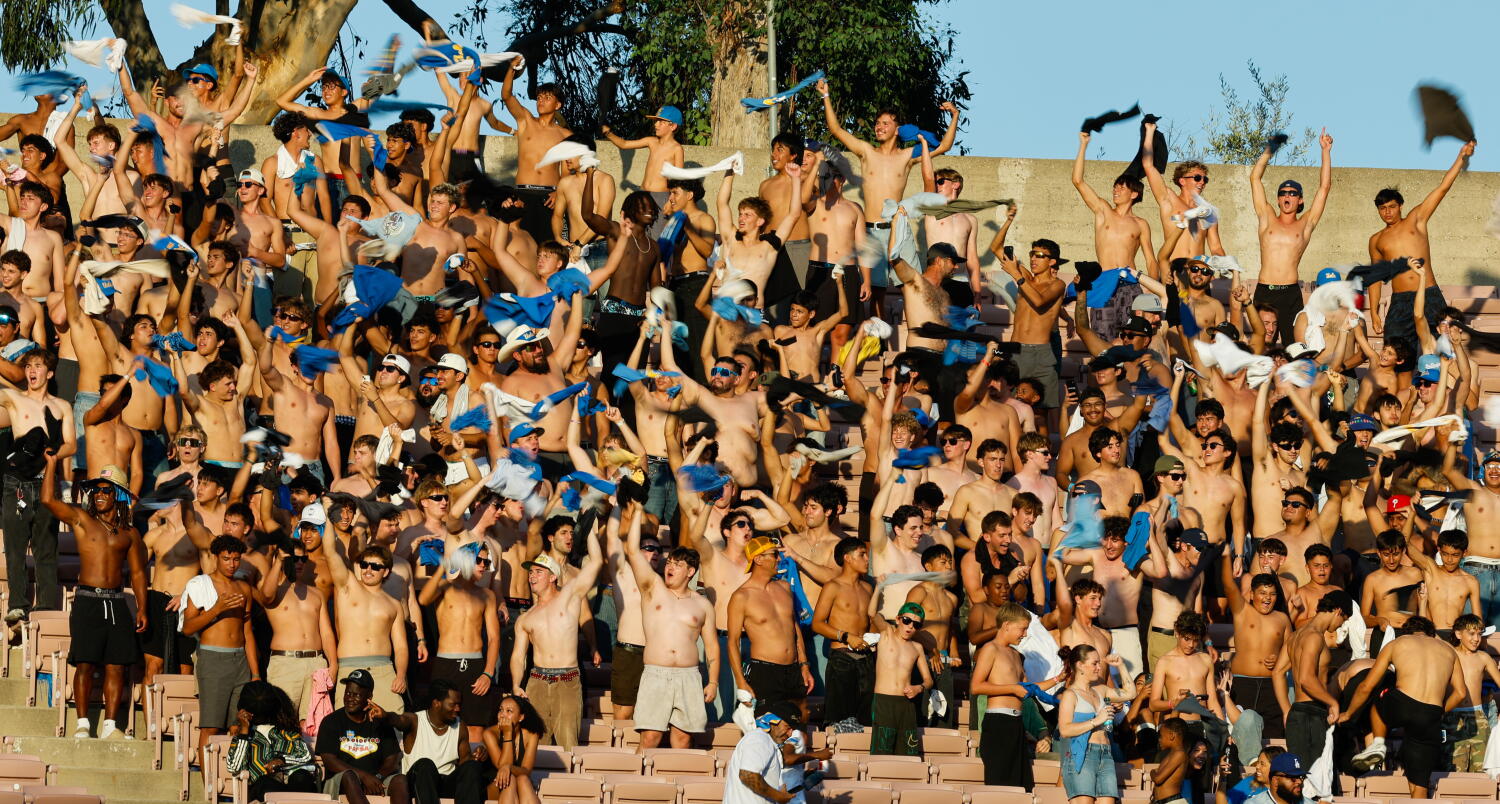
The roar of a football crowd is not merely sound. It is a physical weight, a living entity that settles on the back of your neck long before the players emerge from the tunnel. You feel it in the concrete beneath your boots, in the vibration of iron railings, in the collective breath of fifty thousand souls waiting for a spark. In that environment, words carry an entirely different currency. They are heavier than ink, sharper than glass, and once released into the heavy night air of a packed arena, they cannot simply be unsaid.
Consider what happens next when that sound crosses a line.
Imagine standing on the pitch in a stadium three thousand miles away from home, the floodlights washing out the stars, the air thick with humidity and the smell of bruised turf. For Diogo Jota, football had always been a kinetic sanctuary—a place where the chaotic noise of the world narrowed down to the roll of a ball and the green geometry of the pitch. But on one particular evening, the noise stopped being background static. It hardened. It turned personal.
The chants rolled down from the stands of Al Taawoun’s home ground, echoing off the metal roof, targeting a player who wasn't even on their side of the pitch in the way football's tribalism usually demands, but crossing into something darker. It was a moment that distilled the worst impulses of modern fandom into a single, ugly refrain.
Silence followed. Not immediately, but eventually. The kind of silence that arrives when administrative wheels start turning behind closed doors in Riyadh and disciplinary committees open their ledgers.
Discipline in modern sport is rarely dramatic at the moment of infraction. It is bureaucratic. It lives in PDF documents, committee hearings, and quiet rulings issued days later. For Al Taawoun, the reckoning for those stadium chants arrived with uncompromising coldness: financial penalties and the looming shadow of a stadium closure.
We forget, sitting behind our screens or high up in the press boxes, that a club is not just a corporate entity traded on balance sheets or a crest printed on a polyester shirt. A club is a fragile social contract between a city and its eleven men on the grass. When a section of supporters weaponizes their voices, that contract fractures.
The financial fine stings, certainly. Clubs operate within strict financial parameters, where every riyal is accounted for, and a sudden disciplinary sanction punches an unbudgeted hole in the ledger. But the stadium closure? That is an amputation. To shut the gates is to starve the team of its oxygen. Football played in an empty arena is not a sport; it is an autopsy. It is twenty-two athletes running across manicured grass in absolute quiet, their shouts echoing off empty plastic seats like ghosts in an abandoned theater.
Let us be entirely clear about why this matters beyond the borders of Saudi football. The game is undergoing a massive, seismic migration. Talent, capital, and global attention are flowing into the Saudi Pro League at an unprecedented velocity, turning regional rivalries into global spectacles. With that spotlight comes a magnified scrutiny. Every chant, every gesture, every flare lit in the stands is beamed in high definition across continents.
When behavior slips, the penalty is swift because the guardians of the league understand a fundamental truth: prestige is easier lost than built. You can buy the finest training grounds, import world-class managers, and lure legendary forwards with staggering contracts, but if the culture in the stands rots, the entire edifice trembles.
Think of the ordinary fan who bought a ticket weeks in advance, dreaming of a Friday night under the lights with their children, only to find the gates bolted shut because of the reckless malice of a vocal minority. That is the hidden cost. The collective punishment feels unfair to the innocent, yet it forces a difficult reckoning upon the community. It forces the club faithful to police their own ranks. It demands that the person standing in row fourteen turn to the person screaming abuse and say, Enough. Not here. Not in our name.
Football has always operated on the razor’s edge between passion and hostility. The line separating a fierce, intimidating atmosphere from toxic behavior is frighteningly thin. We want the stadiums to roar. We want the hair on our arms to stand up when the drums start beating. We want that tribal electricity that makes sport feel like modern theater. But the moment passion curdles into targeted harassment or discriminatory abuse, the magic dies.
The authorities in Saudi football drew a line in the sand with the Al Taawoun sanction. It was a signal flare sent across the league: the rules apply to the stands just as strictly as they apply to the boots on the turf. You cannot invest billions into the artistic soul of a sport while ignoring the cultural rot in the terraces.
As the dust settles on the fines and the restricted entry, the echoes of those chants fade into the history books as a cautionary tale. The stadium gates may reopen, the drums will sound again, and the floodlights will cut through the desert night. But the memory of the silence—the heavy, mandated quiet of an empty stand—remains etched into the concrete. It stands as a reminder that in the grand theater of modern sport, the most dangerous opponent a club can ever face is sitting right there in its own home section.