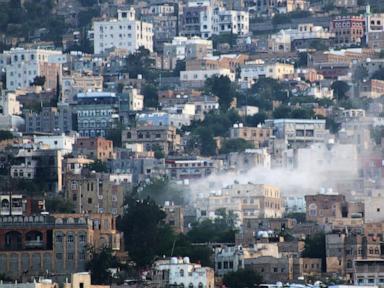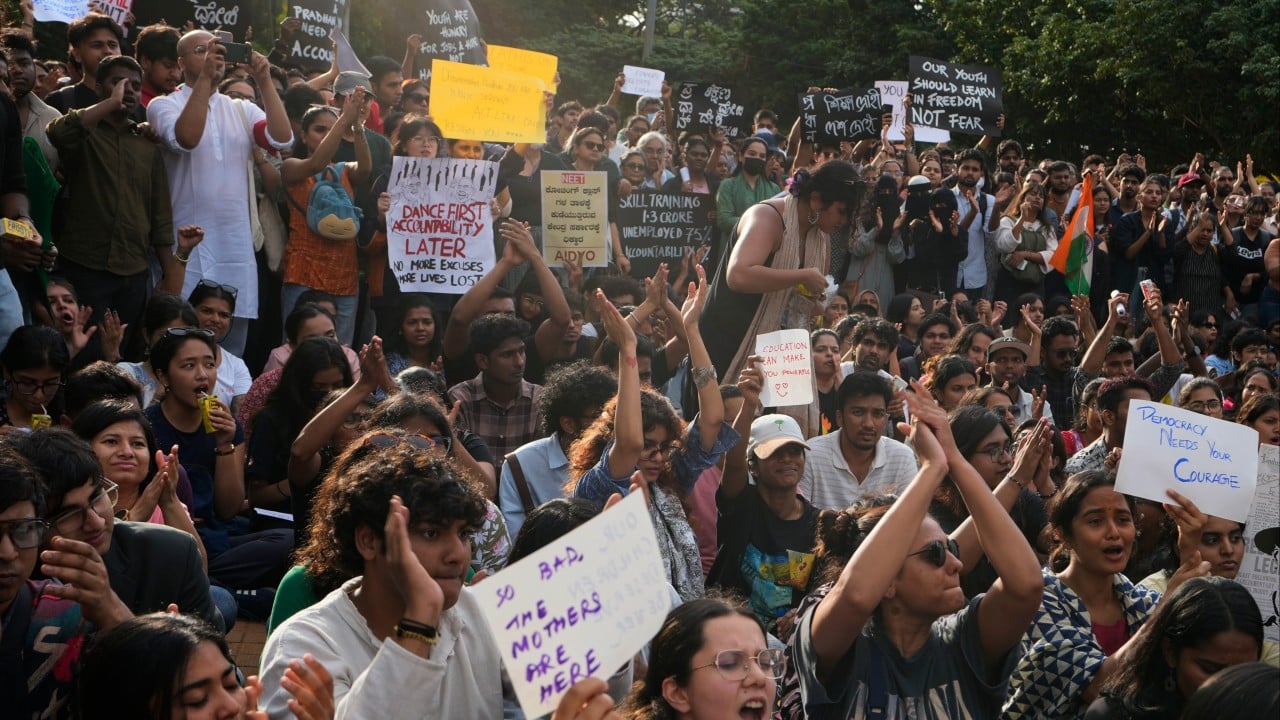
Two completely different worlds are boiling over for the exact same reason. People feel the deal they were promised no longer exists.
Across India and France, economic fears fuel protests that look distinct on the surface—street clashes in Paris over budgets and living costs on one hand, angry student and youth marches in Indian cities over exams, jobs, and representation on the other. Look closer, though, and both countries are colliding with a broken social contract. In France, a generous welfare model is running smack into debt limits and permanent price hikes. In India, a massive young population was told education and hustle would buy upward mobility, only to find fiercely contested public roles and tight entry paths.
When inflation cools on paper, people still feel poorer in real life. That gap is pure political fuel.
How Economic Fears Fuel Protests Across Different Economies
Comparing Paris to New Delhi or Meerut can feel apples-to-oranges if you only watch the headlines. One is a high-income European welfare state wrestling with public debt and retiree protections. The other is the world's most populous country, where nearly two-thirds of citizens are under 35 and millions treat public-sector exams as a ticket out of hard manual labor.
Yet the underlying frustration rhymes. In France, everyday costs for food, energy, transport, and housing have climbed dramatically over the past quarter-century, even after headline inflation cooled from recent spikes. According to Eurostat price data cited by Al Jazeera, everyday consumer prices in France rose roughly 59 percent between 2000 and 2025, while real wages grew far more modestly. Lower inflation rates don't put groceries back at 2015 prices.
In India, the pressure looks less like an aging welfare squeeze and more like a bottleneck at the starting line. Research from Azim Premji University highlighted in 2026 found that roughly 40 percent of graduates aged 15 to 25 faced unemployment, and competition for government openings regularly draws hundreds of thousands of applicants for a few hundred or a couple thousand seats. Even when non-college youth find work more readily, educated young people who sacrificed years and family savings for a degree feel cheated when stability stays out of reach.
Honestly, calling every demonstration a "copycat uprising" misses what's actually happening on the ground. Protest movements borrow slogans and tactics online, sure. Still, people don't risk tear gas, baton charges, or lost wages just because an algorithm showed them a clip from another continent. They march when their rent, exam results, or paychecks stop making sense.
France and the Strain of a Debt-Heavy Welfare State
If you've watched France over the autumn of 2026, you've seen how quickly budget math turns into street tension. High school students kicked off waves of unrest in September over living costs and school conditions, and large demonstrations—some numbering in the hundreds of thousands nationwide according to union estimates—kept pressure on the government into November.
Here's the bind policymakers in Paris are trapped in. Public spending on social protection is huge, public debt constrains borrowing room, and draft budget plans for 2027 have looked for savings—including pension adjustments—while demonstrators demand higher wages, better public services, and stronger support for students and workers.
A Generational Tug-of-War in Plain Sight
One of the sharpest tensions in France—and across many older economies—is generational. Younger workers and students complain about steep living costs, housing pressure, and bleak prospects. At the same time, pensioners also turn out to defend retirement protections whenever ministers float trims to rein in deficits.
Nobody wants to give up guarantees they paid into or were promised. The problem is that when fiscal space tightens, every dollar saved in one place looks like a broken promise somewhere else.
Why Half-Measures Rarely Calm the Streets
I've watched European governments try to defuse street anger with piecemeal concessions before, and it's tricky. Modest wage bumps or targeted pledges can cool tempers for a week, yet they rarely fix structural imbalances in housing supply, productivity, or entitlement math. Worse, violent clashes and property damage give political extremes an opening to frame the crisis around law and order rather than economic reform.
India's Youth Squeeze and the Degree Trap
Step into a crowded coaching hall or study room in an Indian city and the mood feels quieter, yet just as intense. Families stretch their budgets to put children through college with a clear hope: do your part, clear the hurdle, and earn a secure life.
When exam cancellations, recruitment delays, or fierce odds pile up, that bargain cracks. Throughout 2026, youth-led protests and political clashes over job competition, testing credibility, and voter-roll disputes tested India's political establishment in ways not seen in years.
Why Government Jobs Carry So Much Weight
To outsiders, spending two or three years cramming for a civil service or clerical test with tiny odds can look irrational. It isn't irrational when you look at the incentives.
In many parts of India, a public-sector role isn't just a paycheck. It brings job security, benefits, social standing, and even family marriage prospects. Private-sector entry jobs can feel unstable or low-paying by comparison, especially for graduates carrying high expectations. So young people keep grinding—even when the math is brutal.
When Grievances Spill Beyond Jobs
Economic anxiety rarely stays neatly inside an economics textbook. In India, frustrations over jobs and living standards have intertwined with broader political arguments—from disputes over electoral rolls to clashes over protest permissions and policing. Once citizens feel their voice isn't heard through routine channels, economic pain turns into distrust of institutions themselves.
Four Myths That Cloud This Debate
Whenever protests erupt in major countries, hot takes fly fast. A few common assumptions get in the way of clear thinking.
- Myth 1: Protesters hate democracy itself. Surveys and protest behavior often show the opposite. People march because they want institutions to work for them, not because they want chaos.
- Myth 2: Falling inflation means the cost-of-living crisis is over. A slower rate of price growth still leaves food, rent, and utilities way higher than they used to be.
- Myth 3: College degrees automatically cure youth joblessness. When degree supply outpaces quality hiring or curricula lag behind workplace needs, graduates still face steep hurdles.
- Myth 4: Tougher policing solves economic anger. Crowd control can clear a square for an afternoon, yet it doesn't lower a single grocery bill or create a single good job.
What Actually Works vs. What Sounds Good in Theory
Politicians love grand speeches about "shared sacrifice" or "historic transformation." In practice, credibility comes from unglamorous execution.
| Policy or Approach | Sounds Good in Theory | What Happens in Reality |
|---|---|---|
| Austerity-only budget cuts | Restores fiscal discipline fast | Sparks fierce strikes when households already feel squeezed |
| One-off cash handouts | Gives immediate relief | Helps briefly, but fades if housing and core costs keep rising |
| Exam & hiring transparency | Sounds basic and bureaucratic | Restores real trust among millions of anxious applicants |
| Skills & job-market alignment | Takes years to show results | Actually narrows the gap between degrees and real paychecks |
Notice a pattern? Quick fixes are politically tempting and fragile. Durable fixes are slower, less flashy, and require straight talk about trade-offs.
Data also has limits worth keeping in mind. National averages hide sharp regional, age, and class differences—a young renter in Paris or a job-seeking graduate in Uttar Pradesh doesn't live inside an average. Still, looking at household budgets alongside hiring and debt figures gives a far truer picture than slogans alone.
Practical Ways to Read the News and Protect Yourself
Whether you're tracking global markets, making career moves, or deciding where to put your money, you don't have to feel helpless watching headlines spin. A few grounded habits help right now:
- Track real purchasing power, not just headline inflation. Look at wage growth against housing, food, and energy costs in your own city or country.
- Separate short-term protest noise from long-term fiscal or labor trends. Big street days grab attention, while debt service, public hiring, and productivity shape years ahead.
- Invest in adaptable skills and cash buffers. When entry pathways get crowded or budgets tighten, practical skills and an emergency cushion give you leverage.
- Check primary data sources before sharing claims. Look up official statistical agencies, central bank or labor reports, and reputable research institutes rather than relying on viral threads.
The social contract doesn't snap overnight. It frays one stretched paycheck, one delayed career milestone, and one ignored grievance at a time—until people decide standing in the street is the only way left to be heard.