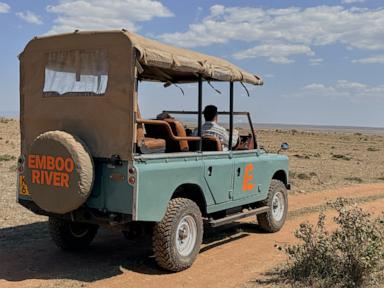
Decarbonizing remote wilderness transport requires restructuring capital expenditures around localized micro-generation rather than replicating centralized fossil fuel supply chains. In wildlife conservation zones like Kenya's Maasai Mara, internal combustion engine fleets impose heavy logistical and financial friction. Transporting petrol over long distances from ports such as Mombasa creates volatile operational costs and high carbon externalities. Displacing these combustion engines with solar-charged electric motorcycles and safari vehicles resolves this vulnerability by matching localized energy supply with decentralized demand.
The Three Pillars of Off Grid Fleet Economics
Transitioning conservation and safari operations from fossil fuels to electric mobility relies on three structural variables: capital expenditure, operational expenditure, and energy autonomy.
Converting a traditional heavy-duty safari vehicle into an electric alternative requires an upfront capital investment ranging from 35,000 to 45,000 dollars. This cost barrier initially deters operators accustomed to lower initial outlays for diesel or petrol configurations. However, evaluating the asset purely through purchase price miscalculates its financial structure.
The operational expenditure equation shifts fundamentally once charging relies on photovoltaic arrays rather than imported fuel. With solar generation infrastructure installed at base camps, the marginal cost of electricity approaches zero. Maintenance costs for electric motors also drop significantly compared to internal combustion engines due to fewer moving parts, the absence of oil changes, and reduced brake wear through regenerative braking.
Capital payback periods under this model typically range between 2.5 and 3 years. The velocity of this payback is directly proportional to daily mileage and prevailing regional fuel prices. High-utilization assets—such as anti-poaching ranger motorcycles covering up to 160 kilometers per charge or daily tourist transit vans—accelerate the depreciation of the initial conversion cost through immediate fuel displacement.
Operational Efficiency and Acoustic Metrics
Beyond financial amortization, electric mobility introduces systemic changes to operational capability within sensitive habitats. Traditional combustion engines generate persistent low-frequency vibration and high decibel noise profiles that alter wildlife behavior and broadcast ranger positions during anti-poaching patrols.
Silent electric drivetrains alter this dynamic by reducing acoustic footprints. Rangers utilizing electric motorcycles can approach targets or monitor wildlife without the early warning audio signatures associated with conventional exhaust systems. In wildlife tourism operations, the removal of engine rumble improves the visitor experience, eliminating noise pollution in ecosystems where thousands of animals and vehicles converge during seasonal migrations.
Infrastructure Bottlenecks and Grid Independence
Deploying electric vehicles in remote regions exposes structural constraints related to charging infrastructure. Traditional grid connectivity is either absent or unstable in deep wilderness settings. Consequently, off-grid mobility requires co-investing in localized micro-grids.
Successful deployments pair electric vehicle fleets with dedicated photovoltaic generation and battery storage banks. Camp operators scaling their fleets must proportionally expand their solar array capacity and storage buffering to handle peak concurrent charging loads. Without sufficient battery storage, overcast days or nighttime charging demands create system bottlenecks, forcing operators to rely on backup diesel generators that undermine net-zero targets.
Furthermore, expanding the operational range of electric fleets beyond base camp radiuses requires distributed charging posts along remote patrol routes. Establishing these charging nodes demands modular, weather-resistant solar kiosks capable of functioning reliably in rugged environments with minimal technical oversight.
The Broader Regional Ripple Effect
The economics observed in high-end safari camps and private reserves provide a proof-of-concept that scales into surrounding rural communities. Rural populations living adjacent to protected areas heavily depend on two-wheeled transport for commerce and mobility, particularly where road infrastructure is degraded.
As commercial deployment of electric two-wheelers expands, local supply chains benefit from reduced exposure to imported fuel price shocks. The convergence of declining battery pack costs and scalable solar photovoltaic technology creates an economic pathway for emerging markets to bypass the infrastructure debt of traditional petroleum distribution networks.
To achieve net-zero targets across regional ecosystems by the next decade, safari operators and commercial enterprises must transition from isolated pilot projects to integrated utility networks. This requires embedding real-time telemetry dashboards to monitor energy generation, battery degradation, water recycling, and fleet efficiency across multiple lodges. Capital allocation should prioritize standardizing conversion kits, training local mechanical talent in high-voltage maintenance, and securing long-term financing vehicles that absorb upfront equipment costs in exchange for predictable, low-variance operational savings.