When a massive pop star pulls the plug on a stadium show, thousands of fans lose their minds. You buy tickets months in advance. You book the hotel. You coordinate travel, organize time off work, and build your entire weekend around a single night of live music. Then an announcement drops. The show is off.
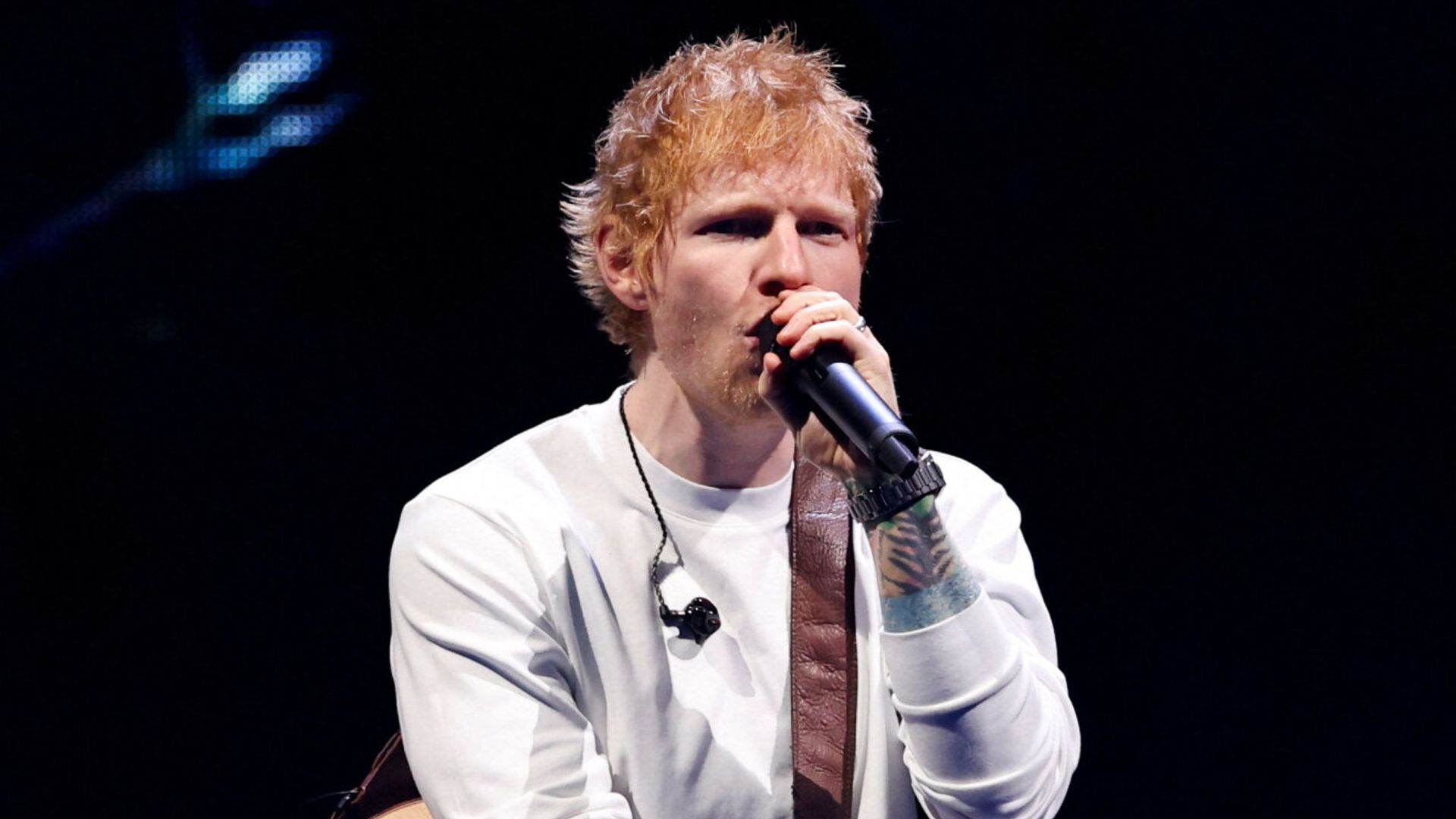
Ed Sheeran cancellations always sting a bit more because of how he tours. He doesn't roll into town with an army of dancers, costume changes, and backing tracks. It's usually just him, an acoustic guitar, a loop station, and massive pedal boards spread across a rotating stage. When something goes wrong with that specific setup, or when illness strikes, the whole production halts entirely. There is no backup singer to take the lead or ghost band to step in. Don't forget to check out our recent coverage on this related article.
Let's look at why these cancellations happen, what happens to your money when they do, and how to protect yourself the next time you book tickets for a major tour.
The Reality Behind Tour Breakdowns
Planning a global stadium run requires military precision. Tons of audio gear, lighting rigs, and staging equipment travel across continents on tight schedules. If you want more about the history here, Wall Street Journal provides an excellent summary.
Sometimes, logistics fail. A cargo plane breaks down. A port strike delays equipment shipping. Weather grounds transport trucks in the middle of winter. When a stadium setup relies entirely on custom-built rotating screens and precision audio engineering, missing one critical piece of gear can make a performance impossible.
Health issues play an even bigger role. Singers push their vocal cords to the absolute limit. A severe case of laryngitis or a sudden flu virus leaves a solo performer completely stranded. In a traditional band, a frontman might push through a rough night or hand over a verse to the bass player. Ed Sheeran carries a three-hour set entirely on his own voice. If his vocal cords give out, the show cannot go on. Pushing through a severe vocal strain risks permanent damage, which forces management to make the tough call and cancel at the last minute.
Insurance companies scrutinize every single detail before payouts happen. Tour promoters carry heavy cancellation policies, but underwriters require ironclad proof of illness or unavoidable disaster before releasing funds. This friction is often why announcements take hours to reach the public after rumors start swirling online.
What Happens to Your Money
The immediate panic after any cancellation always centers on refunds. Ticket vendors operate under strict refund frameworks, but the process can drag out.
Official ticket holders through primary vendors like Ticketmaster or local promoters usually get an automatic refund to their original payment method. That process typically takes anywhere from seven to thirty business days.
Third-party resale platforms create a massive headache. If you bought tickets through a secondary marketplace, getting your cash back depends entirely on that specific platform's buyer protection policy. Some brokers only refund the face value of the ticket, leaving you to fight for fees, while others cover the full secondary purchase price if an event gets canceled outright rather than postponed.
Travel expenses add another layer of frustration. Non-refundable hotel bookings and prepaid flights rarely get covered by event organizers. Standard concert tickets include a waiver stating that artists and venues hold no liability for auxiliary travel costs. Buying dedicated event cancellation insurance or using a credit card with built-in travel protection becomes your only safety net against losing money on a hotel room in a city you no longer need to visit.
Spotting Fake Rumors Online
Social media loves drama. Whenever a major tour hits the road, viral rumors about sudden cancellations spread like wildfire across TikTok and X.
Scammers jump on the confusion. Fake accounts often post links claiming to offer immediate refund assistance or priority rescheduling, which actually lead to phishing sites designed to steal your credit card information.
Always check official sources before panicking. Ed Sheeran uses verified channels for tour updates. Local promoters and stadium box offices publish official press releases directly on their websites. If a major news outlet or the artist's verified social media page hasn't confirmed a cancellation, treat the viral post as noise.
Protecting Your Next Concert Purchase
Buying tickets for massive stadium tours requires a proactive mindset. Stop treating ticket buying like a casual online purchase.
Stick to primary ticketing partners whenever possible. Avoid buying from random social media users or unverified resale sites where scams thrive during high-demand tours.
Check the event terms before clicking purchase. Understand whether a rescheduled date forces you to accept the new timeline or grants you a clean refund window. Mark your calendar with refund deadlines if a show gets postponed, because promoters often give a strict 30-day window to request your money back if you cannot make the rescheduled date.
Live music remains one of the best experiences available, but staying informed keeps the inevitable hiccups from ruining your plans. Double-check your tickets, understand your protections, and keep an eye on official updates when heading out to your next big show.