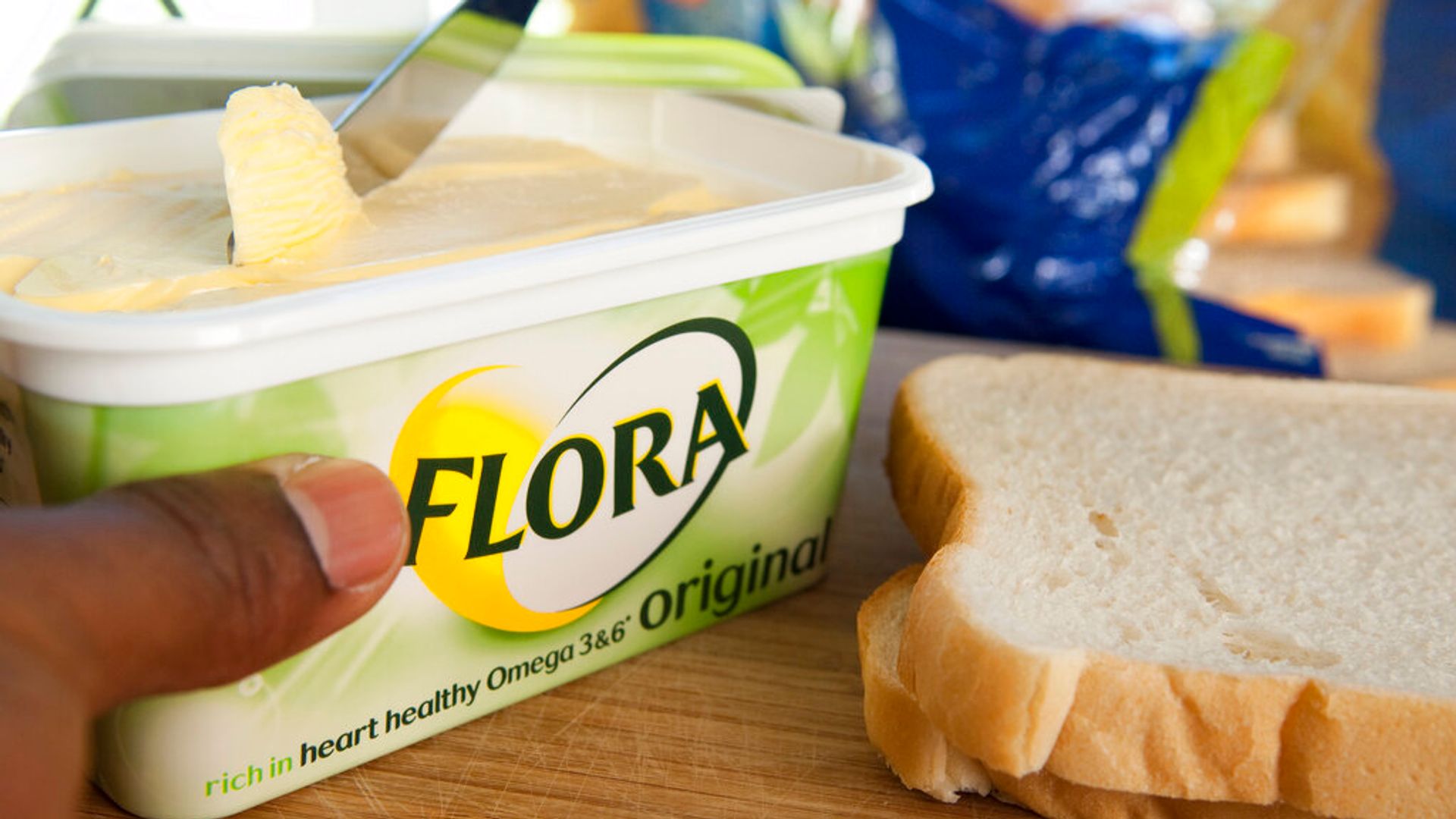
Activist hedge fund Elliott Investment Management has built a stake in Flora Food Group, the Dutch plant-based spreads and dairy-alternative giant controlled by private equity firm KKR. For years, KKR has worked to transform Unilever’s former spreads division—home to household names like Becel, Flora, Rama, and Violife—into a high-margin, modern plant-based powerhouse. Now, with KKR weighing strategic exits, including a potential initial public offering or a multi-billion-euro sale, Elliott’s arrival signals that the quiet operational turnaround phase is over. A fierce battle over valuation, debt restructuring, and governance is about to begin.
To understand why one of Wall Street’s most feared activist investors is taking a position in a legacy margarine and vegan cheese manufacturer, you have to look past the grocery aisle. You have to look at the balance sheet.
The Anatomy of a Private Equity Carve-Out
When KKR agreed to buy Unilever’s spreads business in late 2017 for roughly €6.8 billion, the deal was widely viewed as a classic leveraged buyout play. Unilever wanted out of a sluggish, declining category; KKR saw an orphaned asset starved of management attention that could generate massive, predictable cash flows if run properly.
Renamed Upfield, and later rebranded as Flora Food Group, the company became a laboratory for private equity financial engineering and operational overhaul. KKR brought in seasoned consumer goods executives, stripped out overlapping corporate overhead, and aggressively pushed into higher-growth plant-based categories. The 2020 acquisition of Arivia, the Greek maker of Violife vegan cheese, was the centerpiece of that strategy. It gave a company built on traditional table spreads a credible foothold in the booming dairy-alternative sector.
Yet private equity playbooks rely on cheap debt and a clear exit ramp. Interest rates rose. Consumer inflation bit hard into grocery budgets. Suddenly, the timeline stretched.
KKR has held the asset far longer than the typical three-to-five-year private equity window. Holding an asset for seven or eight years creates immense pressure from limited partners who want their capital returned. Flora Food Group generates substantial earnings before interest, taxes, depreciation, and amortization, easily clearing the €1 billion mark in recent operational cycles. On paper, it is a cash cow. In reality, it is a heavily leveraged business operating in a consumer environment that has grown deeply skeptical of ultra-processed plant-based foods.
What Elliott Actually Sees on the Balance Sheet
Elliott Investment Management does not buy into companies for the warm glow of corporate storytelling. Paul Singer’s firm looks for structural mispricing, governance friction, and trapped value. When Elliott shows up alongside a private equity sponsor like KKR, the dynamic shifts immediately from long-term brand building to immediate value extraction.
Consider the mechanics of how an activist operates in a private-equity-backed scenario. Usually, activists target public companies with dispersed shareholder bases and entrenched boards. Taking a stake in a KKR-controlled entity—or accumulating debt and equity positions ahead of a planned public listing or syndicated refinancing—is a different beast entirely. It is a calculated bet on the exit event itself.
Here is where the tension lies:
- The Valuation Gap: KKR wants to price Flora Food Group as a high-growth plant-based nutrition leader, commanding multiples closer to premium food tech or specialty consumer staples. Public equity markets and strategic buyers, burned by the collapse of companies like Oatly and Beyond Meat, want to value it closer to a traditional, low-growth packaged food manufacturer.
- The Debt Load: Like most large-scale leveraged buyouts from the zero-interest-rate era, Flora Food Group has carried a heavy debt burden. Refinancing billions in loans and bonds in a higher-rate environment eats directly into free cash flow, giving credit investors and distressed-debt specialists immense leverage over corporate strategy.
- Portfolio Rationalization: Flora Food Group is a sprawling conglomerate of regional brands. What sells in Germany under the Rama label operates under entirely different competitive pressures than Becel in Canada or Country Crock in the United States.
Elliott thrives in these gray zones. By establishing a foothold now, the fund positions itself to influence the terms of any upcoming recapitalization, demand the spin-off of underperforming regional divisions, or dictate the governance structure if KKR takes the company public on a European exchange like Euronext Amsterdam.
The Plant-Based Reality Check
The broader narrative surrounding Flora Food Group cannot be separated from the sobering reality of the plant-based food sector. Five years ago, slapping a "plant-based" label on a legacy margarine tub was enough to excite institutional investors. That era is dead.
Shoppers have grown weary of greenwashing and hyper-processed ingredient lists. At the same time, butter prices fluctuated wildly, creating periodic windows where margarine regained market share purely on cost, not ideology. Flora Food Group’s management team deserves credit for navigating brutal commodity inflation—particularly in palm oil, rapeseed oil, and sunflower oil—by pushing through aggressive price hikes while largely defending volumes.
Passing costs onto consumers works until it doesn't.
Supermarket private labels across Europe and North America have aggressively targeted the spreads and dairy-alternative aisles. When a shopper sees a store-brand plant-based spread sitting next to Flora or Becel for thirty percent less, brand loyalty evaporates quickly. Maintaining gross margins in that environment requires relentless marketing spend, which directly conflicts with the cost-cutting discipline required to service billions in buyout debt.
This is the exact friction point that attracts an activist. Management teams often argue they need to reinvest cash flow into brand equity and R&D to fend off private-label erosion. Activists look at the exact same numbers and argue that management is throwing good money after bad in mature, shrinking categories, when that cash should be used to pay down debt or fund share buybacks post-IPO.
KKR’s Exit Dilemma and the IPO Trap
Private equity firms are currently sitting on a historic backlog of unsold companies. Across global buyout funds, trillions of dollars in assets remain locked up because the IPO window has been stubbornly narrow and strategic buyers have been hesitant to pay 2021-era multiples.
For KKR, Flora Food Group is one of the largest assets in its European portfolio. Simply holding it indefinitely is not an option. Yet every exit path carries severe execution risk.
A straight sale to a strategic rival—companies like Nestlé, Danone, or Kraft Heinz—faces massive antitrust hurdles in Europe, where Flora Food Group commands dominant market shares in several countries. Regulatory authorities in Brussels and national competition watchdogs would likely demand sweeping divestitures that would destroy the deal's economics.
Selling to another private equity consortium is possible, though mega-buyouts above €10 billion remain exceptionally difficult to finance without stitching together complex private credit packages. That leaves the public markets.
Taking Flora Food Group public solves KKR’s liquidity problem, allowing the firm to sell down its stake gradually over several years. However, public market investors are ruthless. If KKR tries to float the company with too much remaining debt on the balance sheet, institutional fund managers will simply refuse to buy the shares, or they will demand a steep discount that humiliates the sponsor.
Elliott’s presence complicates this delicate dance. If Elliott holds a meaningful stake in the equity or the debt stack, it can lobby other institutional investors, publicly critique the proposed IPO valuation, or push for an alternative breakup strategy before a single share ever hits the open market.
How Activists Reshape Buyout Exits
To grasp how this plays out in practice, consider a hypothetical scenario common in European corporate restructuring. Imagine a sponsor-backed consumer company preparing for a €10 billion listing. The sponsor pitches a unified global growth story. An activist steps in, runs a sum-of-the-parts analysis, and demonstrates that the fast-growing vegan cheese division is worth twelve times earnings, while the legacy European margarine business is worth barely six times.
The activist then pressures the board to split the company in two before listing, arguing that bundling them together creates a conglomerate discount that traps billions in shareholder value.
Whether Elliott pushes for a breakup of Violife from the legacy spreads business, demands board seats, or focuses on the terms of a debt refinancing, its playbook relies on forcing transparency. Private equity firms prefer to operate behind closed doors, controlling the narrative until the prospectus is filed. Activist funds drag internal strategic debates into the daylight.
The Governance Collision
KKR is not a passive target. Alongside firms like Blackstone and Apollo, KKR possesses immense institutional muscle, deep relationships with global investment banks, and an army of operational consultants. It does not easily yield control of its portfolio companies.
Yet even the largest buyout firms have to respect the math. If Elliott has accumulated a position large enough to block certain corporate actions, or if its presence signals to the market that Flora Food Group’s current structure is suboptimal, KKR will have to engage.
For the executives running Flora Food Group on the ground in Amsterdam, this creates a grueling two-front war. They must continue executing a complex commercial strategy—defending shelf space at Tesco, Carrefour, and Walmart while expanding Violife into foodservice channels—all while answering to two of the most demanding financial institutions on earth.
What Comes Down the Line for Consumer Staples
The standoff brewing around Flora Food Group is a bellwether for the entire consumer packaged goods sector. Over the past decade, private equity firms gorged on slow-growth food and beverage brands, betting that cost-cutting and cheap leverage would manufacture double-digit returns.
That model is broken. Inflation has reset consumer price sensitivity, retailers have weaponized their own private-label brands, and the cost of capital has permanently repriced.
When Elliott Management targets a KKR-backed giant, it is exploiting the widening crack between what private equity firms paid for legacy food assets and what the real market is willing to pay for them today. KKR built a formidable cash-generating machine out of Unilever’s cast-offs, proving that margarine and plant-based spreads could still mint money. Now, Elliott is here to make sure the spoils of that turnaround are divided on its terms, regardless of how messy the public fight becomes.