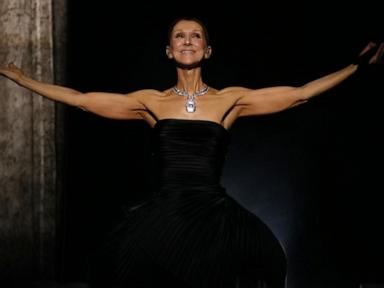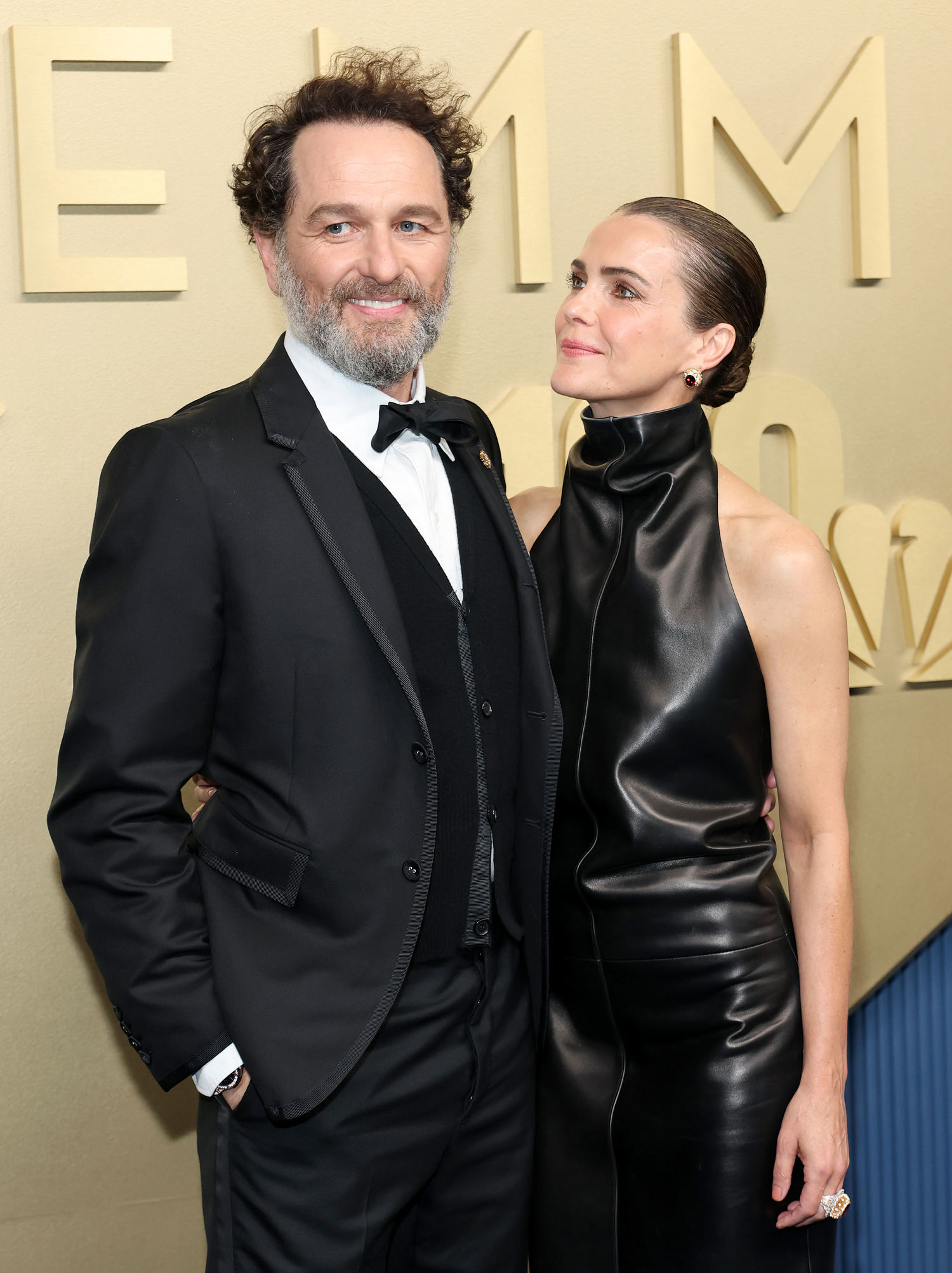
Every September, Hollywood stages a massive, multi-million-dollar costume parade that everyone pretends to care about while secretly checking their phones. The industry calls it the Emmy Awards red carpet. The rest of us should call it what it is: an elaborate, automated funeral procession for celebrity culture.
Standard entertainment reporting treats these arrivals like high art. Commentators hyperventilate over custom velvet tailoring and multi-million-dollar loaned diamonds, pretending we are witnessing historical moments of sartorial grace. They want you to believe this is the beating heart of the creative industry.
They are lying to you.
I spent a decade managing public relations for top-tier talent agencies in Los Angeles. I have stood behind the velvet ropes while handlers taped million-dollar necklaces onto shivering actors to satisfy brand sponsorship contracts. I watched stylists scream at assistants because a hemline was off by a millimeter under the glare of step-and-repeat lights. The entire ecosystem is not an artistic showcase. It is a transactional billboard farm disguised as a party.
The lazy consensus is that people tune into the Emmys pre-show because they love fashion and care deeply about which network produced the best television. That premise is dead. The reality is far more cynical. Audiences watch because the ritual has become a collective exercise in schadenfreude. We watch to see who looks uncomfortable, who tripped on a train, and which studio executive paid for enough airspace to force a mediocre sitcom star onto our feeds.
Let us look at the mechanics. The red carpet is managed by a tight oligopoly of luxury conglomerates and public relations conglomerates. Actresses do not wear clothes because they love the designer; they wear them because their contracts dictate specific visual impressions for fiscal quarters. When a publication breathlessly reports that a star "chose" a sculptural gown, they omit the six-figure syndication fee changing hands behind the scenes.
The questions asked by hosts are equally hollow. Nobody wants to hear about the grueling eighteen-hour days on a soundstage or the psychological toll of carrying a prestige drama for six months. Instead, we get scripted banalities about who made the dress. It is calculated to reduce complex artists into walking mannequins.
Worst of all, this circus actively harms the actual medium it purports to celebrate. While writers, gaffers, and editors slave away in dark rooms figuring out how to build narrative tension, the spotlight goes to whoever managed to secure a prime spot in the media rotation before the commercial break. Television is currently experiencing a golden age of narrative ambition, yet our primary cultural touchstone for honoring it is a glorified fashion show where no one takes stylistic risks.
True rebellion on the red carpet is extinct. When was the last time a major star showed up in something genuinely disruptive rather than a safe, algorithm-tested pastel gown approved by a corporate brand safety committee? The answer is decades ago. Today’s stars are too risk-averse, too heavily insured, and too terrified of losing a global endorsement deal to wear anything that might alienate a single consumer in a key overseas market.
This is the dirty secret of the modern awards season. It is not about celebrating television. It is about keeping the machinery of luxury retail afloat during the autumn lull.
Stop pretending this is culture. It is commerce with a seamstress.
The next time September rolls around and the cameras pan across another lineup of identical millionaires reciting lines about their tailors, turn the television off. Read a script. Watch a foreign indie that had to fight for every dollar of its budget. Support the people who actually make the stories, not the billboards wearing them.