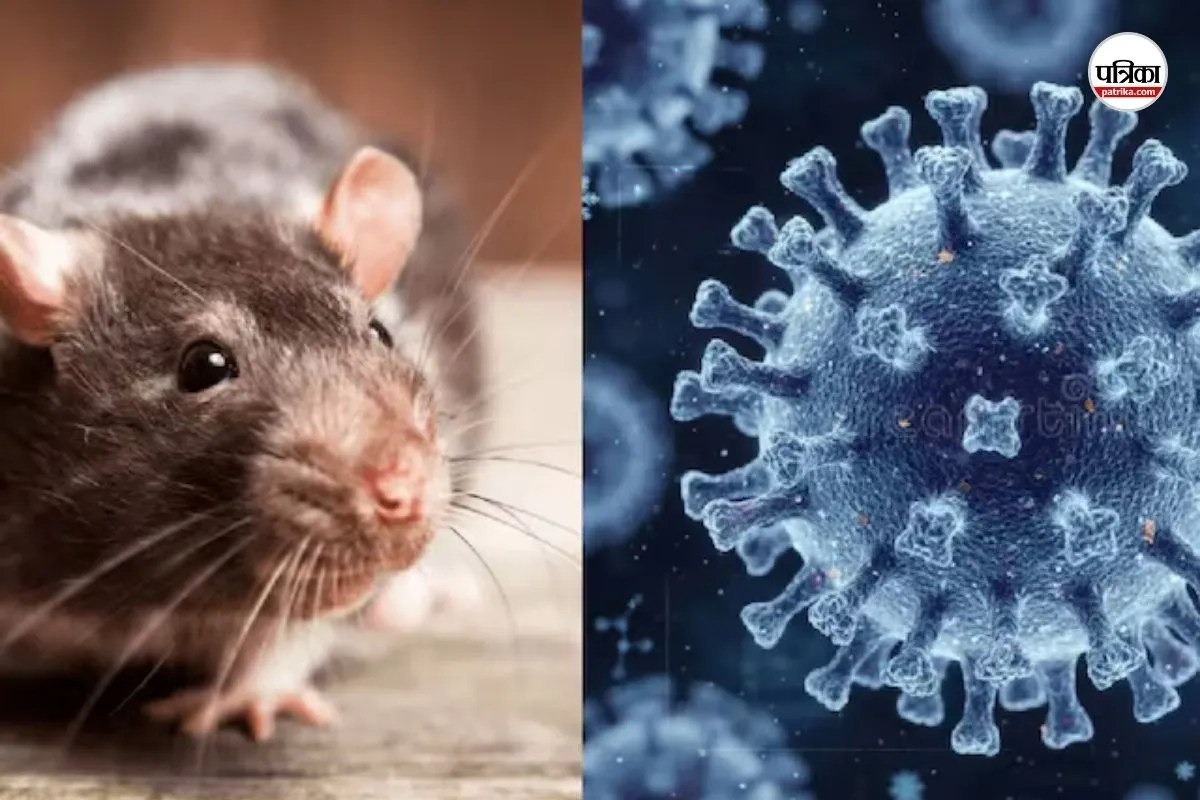
The detection of new Hantavirus cases among cruise ship passengers signals a failure in traditional vessel sanitation protocols and highlights a critical misunderstanding of zoonotic transmission vectors in high-density, closed-loop environments. While standard maritime health responses focus on norovirus-style gastrointestinal containment, Hantavirus Pulmonary Syndrome (HPS) operates through aerosolized viral particles derived from rodent excreta. The persistent emergence of positive tests following initial quarantine indicates that the containment strategy failed to account for the environmental persistence of the pathogen or the secondary exposure risks inherent in centralized HVAC systems.
The Transmission Mechanics of HPS in High-Density Structures
Hantaviruses are typically categorized as "Old World" (hemorrhagic fever with renal syndrome) or "New World" (HPS). In the context of a cruise ship, the primary risk involves the inhalation of aerosolized saliva, urine, or feces from infected rodents. Unlike many common shipboard illnesses, HPS does not typically spread through human-to-human contact, with the rare exception of the Andes virus strain.
The proliferation on a vessel suggests a breach in the Vector-Environmental Interface. To quantify the risk, we must look at the three primary variables:
- Reservoir Density: The population of infected rodents within the vessel's sub-structures (cargo holds, food storage, or engine rooms).
- Aerosolization Probability: The frequency of activities that disturb dry excreta, such as maintenance or heavy cleaning without proper wetting agents.
- Ventilation Efficiency: The rate at which the ship’s climate control systems distribute these particles to passenger cabins.
The discovery of additional positive cases after the ship was supposedly secured points to a "long-tail" incubation period. HPS incubation typically ranges from one to eight weeks, creating a significant lag between the initial exposure and the clinical data spike. This lag often leads to a false sense of security during the first 14 days of a maritime quarantine.
Structural Bottlenecks in Shipboard Containment
Maritime health protocols are structurally biased toward surface disinfection. However, Hantavirus demands a deep-tissue architectural intervention. The logic used by cruise operators often fails because it treats the ship as a series of isolated rooms rather than a singular, breathing organism.
The HVAC Dispersion Variable
Standard HEPA filtration in modern vessels can trap many bacteria, but the microscopic size of aerosolized Hantavirus particles—roughly 80 to 120 nanometers—can bypass aging or poorly maintained filtration units. When a rodent infestation occurs in a plenum or a duct, the ventilation system transforms from a comfort feature into a distribution network for viral loads. This explains why passengers in disparate parts of a ship can test positive simultaneously without ever having occupied the same physical space.
Latency and Symptomatic Mimicry
The early stage of Hantavirus infection is clinically indistinguishable from common influenza or fatigue. Symptoms include:
- Myalgia (muscle aches) in the large muscle groups.
- Fever and chills.
- Gastrointestinal distress (often misdiagnosed as standard food poisoning).
The transition to the "cardiopulmonary phase" occurs rapidly, often within 4 to 10 days after the initial symptoms. At this point, the lungs fill with fluid, leading to severe shortness of breath. The high mortality rate—approximately 38% for HPS—stems from this rapid deterioration, which often happens after a passenger has already disembarked and moved beyond the immediate oversight of the ship’s medical team.
Operational Risk Assessment: Rodent Ingress and Persistence
A cruise ship is a massive logistical hub. Every port call represents a point of failure for pest control. The "Three Pillars of Rodent Exclusion" must be analyzed to understand how a ship becomes a Hantavirus reservoir:
- Supply Chain Infiltration: Rodents or their excreta enter via food pallets or laundry crates. If the staging area at the port is compromised, the ship’s internal ecosystem is compromised before it even leaves the dock.
- Structural Integrity: Gaps as small as a quarter-inch allow rodent access. In older vessels, the degradation of seals around piping and electrical conduits creates "rodent highways" that bypass guest-facing areas.
- Resource Availability: The sheer volume of food waste generated on a luxury vessel provides a high-calorie environment that can support a rapid breeding cycle, shortening the time between the first "stowaway" and a viral-shedding colony.
The Economic and Legal Calculus of Continued Operations
When a ship reports multiple cases, the decision to continue the itinerary versus a total "cold-soak" disinfection is usually driven by a flawed cost-benefit analysis. The immediate loss of a single voyage's revenue is weighed against the long-term brand erosion of being labeled a "plague ship."
However, the legal liability of Hantavirus is significantly higher than that of Norovirus. Because HPS is often fatal and the transmission is linked to structural maintenance (pest control and HVAC management), it falls under the category of "negligent maintenance" rather than "unforeseeable viral outbreak." The data indicates that incremental testing of passengers while they remain on the vessel is an insufficient mitigation strategy. It fails to address the source and only monitors the results of an ongoing exposure.
Strategic Mitigation and Pathogen Eradication
To resolve a Hantavirus outbreak in a confined maritime setting, the following technical protocol must supersede standard cleaning:
- Negative Pressure Isolation: Any area suspected of rodent activity must be placed under negative pressure to prevent further aerosolization into the main cabin blocks.
- Wet-Method Remediation: Use of 10% bleach solutions or equivalent virucides to saturate surfaces before any physical cleaning. Dry sweeping or vacuuming is strictly prohibited as it triggers the aerosolization that causes infection.
- Total System Desiccants: High-intensity UV-C light treatment within the HVAC ducts to neutralize viral DNA that persists in hard-to-reach areas.
- Serological Longitudinal Studies: Because of the eight-week incubation window, a single negative test at disembarkation is not a clean bill of health. Passengers must be tracked via a 60-day monitoring window to capture the full epidemiological curve.
The ongoing positive tests suggest the "source" remains active or the environmental reservoirs within the ship’s infrastructure have not been neutralized. Traditional "deep cleaning" is a theater of safety that ignores the microscopic reality of Hantavirus persistence. Until the vessel undergoes a full-scale environmental remediation focused on the air-handling units and sub-deck voids, every new passenger cohort remains at risk of inhalation-based infection.
The strategic play for maritime authorities is a mandatory 30-day "vessel-wide bio-purge." This involves the complete cessation of passenger services, the stripping of porous materials in affected zones, and a forensic pest-exclusion audit. Anything less is a tactical delay that will result in further casualties and compounding legal exposure. The data is clear: Hantavirus is an architectural and maintenance failure, not a random medical occurrence.