Ink dries slowly on deportation orders, but lives unspool in a single afternoon.
Imagine a room with no windows, only the sterile hum of fluorescent tubes and the heavy, rhythmic thud of a gavel. Across the country, communities are built not on concrete foundations, but on the quiet, unheralded labor of men who unlock doors before dawn, sweep floors, counsel troubled youth, and translate ancient texts into modern comfort. When a federal immigration judge labels a Palestinian-born mosque leader a foreign policy threat, the immediate paperwork reads like a dry administrative ledger. Paragraphs cite classified memorandums, abstract national security interests, and obscure statutes.
Yet, underneath those dense legal citations lies a starkly human reality. A man who has spent decades anchoring a neighborhood finds himself standing on the precipice of forced exile, stripped of his agency by an invisible apparatus of state power.
The story of a religious leader facing expulsion is rarely just about immigration law. It is a collision between institutional paranoia and the lived experience of local sanctuaries. To understand how a community builder becomes designated as a threat, we have to look closely at the mechanics of modern exclusion.
The Anatomy of an Invisible Threat
Words matter, especially when they carry the weight of state authority. When legal documents categorize a resident alien as a foreign policy threat, they evoke cinematic visions of international espionage and shadowy conspiracies. But the actual standard is often far more mundane, resting on broad interpretations of diplomatic friction and state department concerns rather than criminal acts.
Consider what happens when political winds shift across oceans. A sermon delivered years ago, a public stance on a foreign conflict, or a signature on a petition advocating for Palestinian rights can be retroactively reinterpreted. The state views these actions not as protected speech, but as potential diplomatic liabilities.
For decades, religious centers have served as cultural hubs and social safety nets. They are places where immigrants find their footing in an unfamiliar culture, where second-generation children learn their heritage, and where grief is met with communal prayer. When the leader of such a sanctuary is targeted, the shockwaves do not stop at the property line. They ripple through every wedding, every funeral, and every midnight counseling session the man ever provided.
The machinery of deportation does not care about the tearful testimony of parishioners. It operates on cold logic, weighing hypothetical diplomatic fallout against individual human roots. But roots run deep, tangling with the lives of neighbors, schoolteachers, shopkeepers, and friends who have known this leader for twenty years.
When Bureaucracy Meets Belonging
Let us trace the trajectory of an ordinary Tuesday morning in the life of a community leader before the gavel drops.
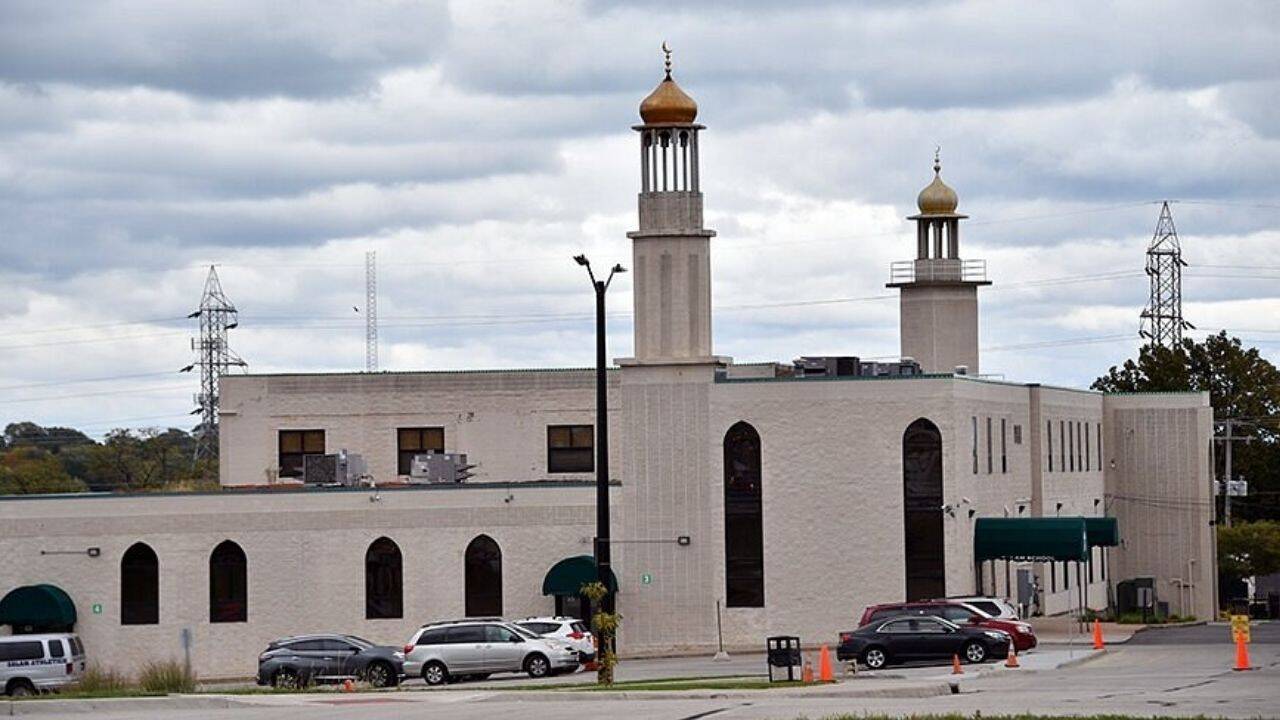
The alarm sounds before the sun clears the horizon. He wakes to ritual ablutions, stepping out into the cool morning air to open the mosque doors. By 5:00 AM, the first elderly members arrive for early prayers, shuffling quietly into the carpeted hall. He knows their names, their ailments, the names of their grandchildren studying at state universities. He pours tea, listens to worries about mortgage rates and aging joints, and offers words of ancient solace.
Later in the day, the phone rings incessantly. A young couple is struggling with a family dispute; a local high schooler is being bullied; an undocumented worker needs guidance finding legal help. He is part pastor, part social worker, part cultural bridge.
Now, strip that away. Replace the morning tea with the sterile glare of a detention facility holding cell. Replace the hum of communal prayer with the clanking of iron doors.
The rationale offered by the government often relies on closed-door intelligence assessments—evidence that the defense cannot fully examine or challenge through normal adversarial channels. This lack of transparency is corrosive to trust. When a community sees a beloved leader uprooted based on secret criteria, the unspoken message is clear: belonging is conditional. Citizenship may protect others, but permanent residency can be revoked if foreign policy imperatives demand a scapegoat.
The Cost of Silence
History teaches us to pay attention when civil liberties begin to fray at the edges. The deportation proceedings against Palestinian-born religious figures are rarely isolated incidents. They occur within a broader ecosystem of heightened scrutiny, where political speech concerning the Middle East is heavily policed and dissent is frequently conflated with danger.
When leaders are silenced through administrative removal, the chilling effect spreads far beyond a single mosque. Other voices self-censor. Sermons become sanitized. Community members pull back from civic engagement, fearful that any association with controversial geopolitical causes will draw the attention of federal investigators.
This is the hidden cost of such policies. It does not just remove one individual; it shrinks the boundaries of acceptable public discourse for an entire demographic. It tells millions of Americans with roots in the Middle East or the broader Global South that their loyalties are perpetually under probation.
The Final Threshold
There is a profound loneliness in facing the full might of the state. As legal appeals narrow and the window for intervention closes, the daily rhythm of community life continues outside the courtroom walls. People still gather for Friday prayers. Shoes are still lined up neatly by the doorway. But an empty chair sits at the center, a silent testament to an absence that words cannot adequately fill.
Justice is supposed to be blind, but mercy requires sight. It requires looking past the cold paragraphs of national security memos to see the human being standing in the center of the room—a husband, a father, a counselor, a neighbor.
The order will likely be executed in the quiet hours before dawn, far from the cameras, completing a bureaucratic process initiated with the stroke of a pen. But the void left behind in the community will take generations to heal, echoing the timeless truth that when you banish a keeper of sanctuary, you leave everyone else out in the cold.