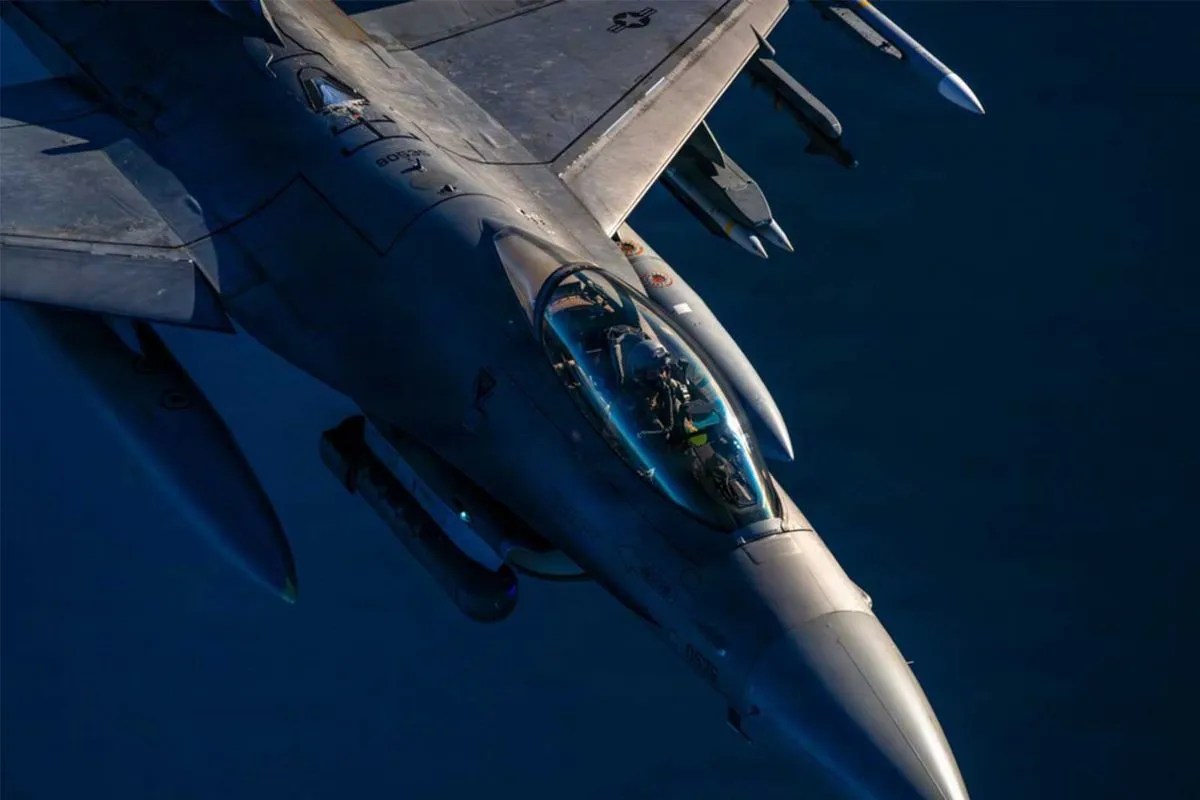
The Persian Gulf isn't just seeing another flare-up—it's witnessing a full-scale, grinding war of attrition. United States Central Command (CENTCOM) just wrapped up its 13th consecutive night of heavy airstrikes targeting Iranian military assets. American forces slammed command centers, drone storage bunkers, radar surveillance hubs, and naval capabilities across key locations like Bandar Abbas, Qeshm Island, and Ahvaz.
People watching this unfold are asking the obvious question: why the persistent, night-after-night bombardment?
It's not just about military grandstanding or a quick show of force. The primary friction point is the Strait of Hormuz—the narrow maritime bottleneck where roughly 20% of the world's petroleum flows. Tehran's attempt to throttle commercial transit and levy control over the passage has drawn Washington into a sustained campaign to systematically dismantle Iran's coastal defense grid.
The Real Objective Behind 13 Straight Nights of Bombing
When air force bombers and naval cruise missiles hit targets 13 days in a row, the goal isn't just retaliation. It's target degradation.
The recent barrage, concluded in the early morning hours, intentionally focused on disabling fast-attack craft, anti-ship missile sites, and uncrewed surface vehicles stationed near Qeshm Island and Bandar Abbas. Iranian state media confirmed explosions across southern and western provinces, highlighting strikes near Omidiyeh, Firuzabad, and Khuzestan.
Target Zone Summary:
- Bandar Abbas: Primary naval operations hub & logistics terminal
- Qeshm Island: Launch site for IRGC suicide drone boats & anti-ship batteries
- Ahvaz & Karun River: Strategic command posts and weapons transit corridors
The Iranian Islamic Revolutionary Guard Corps (IRGC) relies heavily on asymmetrical warfare—swarming tactics, sea mines, and hidden coastal launchers—to check superior naval power. By hammering these specific nodes every single night, CENTCOM is trying to strip away Iran's capacity to deny passage through the strait.
Energy Markets and Economic Fallouts
You can't talk about military strategy in the Persian Gulf without looking at oil prices. Crude quickly topped $100 a barrel as shipping companies pulled tankers out of the region. Insurance premiums for maritime transit have skyrocketed, turning routine commercial voyages into massive financial risks.
To complicate matters, Iran's regional allies are multiplying the pressure points. Yemen's Houthi movement recently launched attacks against tankers in the Red Sea, effectively threatening a secondary choke point at the Bab el-Mandeb Strait.
Critical Oil Transit Choke Points:
1. Strait of Hormuz -> ~20 million barrels/day (20% of global consumption)
2. Bab el-Mandeb Strait -> ~6.2 million barrels/day
When both choke points are threatened at once, global supply chains feel the squeeze immediately. Energy infrastructure damage in Gulf states like Kuwait and Saudi Arabia—frequently targeted by Iranian drone and missile counter-strikes—further drives market volatility.
Financial Warfare and Frozen Assets
The conflict has expanded well beyond kinetic strikes. Washington announced plans to seize frozen Iranian state funds to pay for damages inflicted on commercial vessels and cargo in the Gulf.
Tehran's leadership swiftly condemned the move as an illegal precedent under international law. Foreign Minister Abbas Araghchi reaffirmed Iran's position, warning that any attack on Iranian infrastructure would trigger direct retaliation against US bases and allied energy facilities across the region.
This dynamic creates an escalating tit-for-tat cycle:
- US forces strike coastal defense nodes to force open shipping lanes.
- Iran responds by firing on regional bases housing US personnel and targeting surrounding energy infrastructure.
- Washington escalates with further economic sanctions and targeted airstrikes.
What To Monitor Next
Navigating the developments in this conflict requires watching specific indicators rather than just headline body counts or statement releases:
- Tanker Tracking Data: Monitor commercial vessel traffic through the Strait of Hormuz to see if shipping companies are actually resuming routes under US military escort.
- Houthi Activity in the Red Sea: Watch whether anti-ship attacks near the Bab el-Mandeb Strait force naval assets to split focus away from Hormuz.
- Diplomatic Ceasefire Movements: Keep an eye on indirect talks brokered by neutral parties like Oman or Qatar, which historically serve as the primary diplomatic circuit breakers in Gulf crises.


