Brussels loves a good buzzword. For years, European officials talked endlessly about "de-risking" rather than decoupling, hoping they could thread an impossible needle. They wanted to protect critical supply chains from Beijing without triggering a trade war that would crush German carmakers and luxury brands. It sounds clean in a policy paper. In reality, it is a messy balancing act that leaves everyone frustrated.
The core problem isn't just about managing trade deficits or microchip exports. It is about a fundamental split inside the bloc. Some capitals view Beijing primarily through an economic lens, seeing a massive market that's too lucrative to abandon. Others see a systemic rival that poses direct security threats. When you try to design a unified foreign policy out of twenty-seven distinct national interests, you usually end up with a strategy that satisfies no one and offends everyone. You might also find this related coverage useful: Why Pakistan is Still Waiting for BRICS Membership.
The Cost of Hesitation
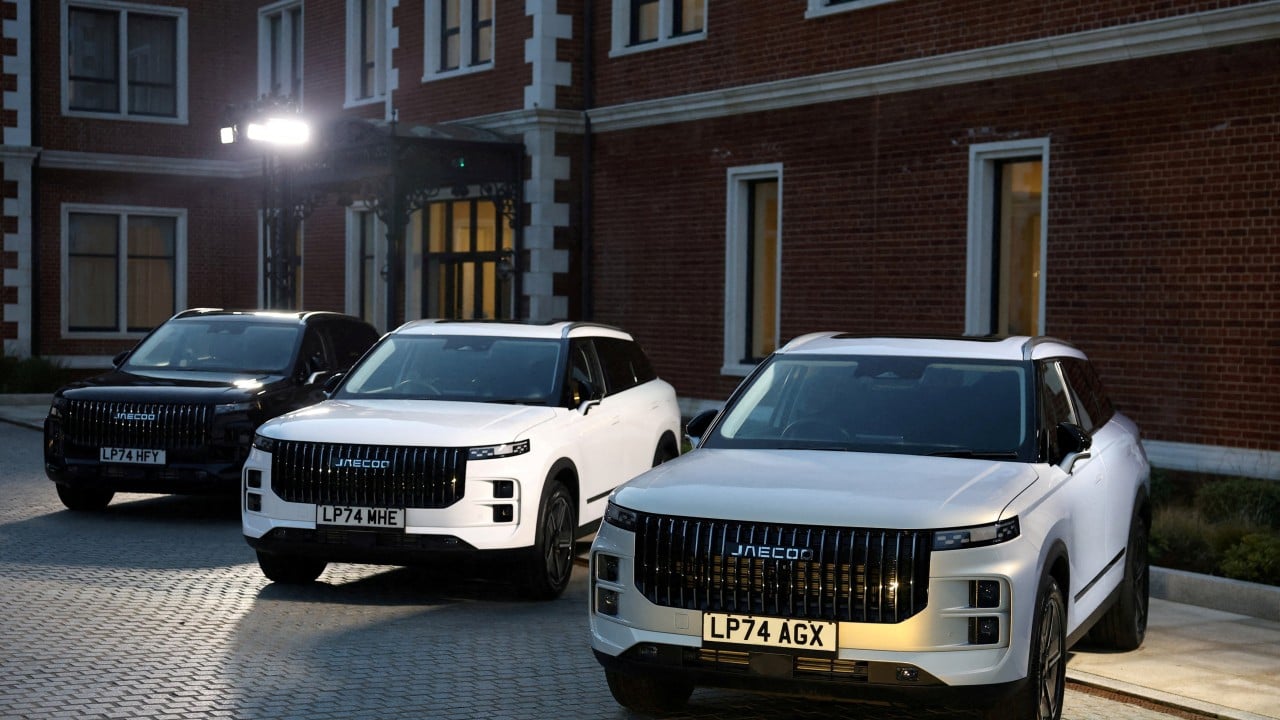
China knows how to exploit these internal divisions. Beijing doesn't need to defeat a united European front if that front keeps fracturing at the edges. When the European Commission floats tariffs on subsidized Chinese electric vehicles, individual member states immediately start calculating what they stand to lose in retaliatory agricultural or industrial restrictions.
This dynamic creates a paralyzed status quo. Europe issues stern warnings about market distortion, launches investigations into overcapacity, and then waters down its punitive measures behind closed doors. Meanwhile, local manufacturing bases in sectors like steel, solar, and machinery watch their margins evaporate. If you talk tough but blink the moment a major trade partner threatens retaliation, you stop looking like a superpower and start looking like a soft target. As highlighted in recent coverage by Associated Press, the implications are notable.
Walking the Tightrope Between Washington and Beijing
Caught in the middle of a shifting global order, European leaders face an exhausting double squeeze. Washington expects Brussels to lock step with American containment strategies, restricting high-end technology and semiconductor equipment access. At the same time, domestic industries scream whenever geopolitical posturing threatens their bottom line in Asian markets.
You cannot outsource your foreign policy to the White House while pretending you have full "strategic autonomy." True autonomy requires bearing the short-term economic pain of independence. Right now, European politicians want the security benefits of standing up to Beijing without paying the price in lost export revenues. That math doesn't work.
What Real Economic Deterrence Looks Like
If Europe actually wants to counter coercive economic practices without alienating every trading partner on earth, it has to move past empty rhetoric. That means building credible leverage based on things Beijing actually needs. China relies heavily on high-end industrial machinery, specialized chemicals, and advanced technical components where European firms still hold dominant positions.
Instead of threatening broad, sweeping sanctions that get bogged down in bureaucratic infighting, Brussels needs targeted, non-negotiable defensive tools. It means enforcing strict rules on critical infrastructure investments, penalizing foreign subsidies that undercut domestic competitors, and backing up warnings with actual enforcement actions rather than endless diplomatic panels.
The window for half-measures is closing fast. Navigating this tightrope requires accepting that keeping everyone happy is no longer an option. Either Europe builds a credible spine, or it learns to live downstream from someone else's rules.