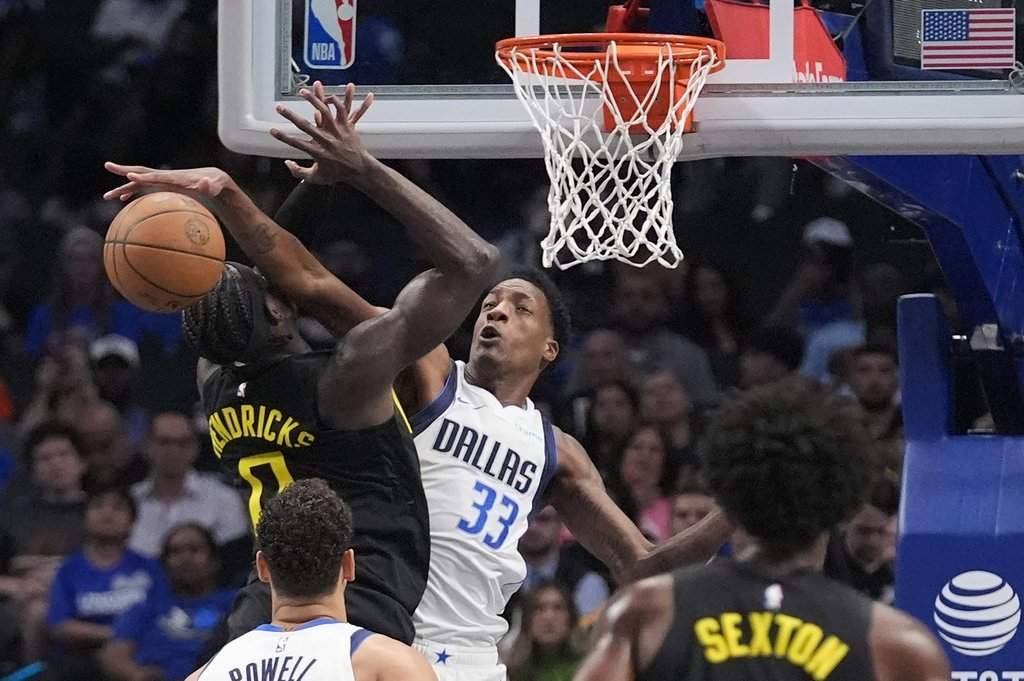
The acquisition of Jamarion Sharp by the Toronto Raptors at seven feet and five inches introduces an extreme physical outlier into a tactical environment that increasingly penalizes static verticality. Modern NBA roster construction prioritizes positional interchangeability, defensive switching versatility, and floor spacing. Introducing an asset of unprecedented height creates both an immediate defensive deterrence anomaly and a profound structural constraint on offensive execution. Evaluating this acquisition requires examining the marginal utility of extreme height against the opportunity cost of reduced mobility within defensive schemes and offensive flow.
The Physical Outlier Economics
In professional basketball, height is a capital asset subject to diminishing returns and operational friction. A player standing seven feet and five inches possesses a standing reach that alters spatial geometry simply by occupying space near the rim. This establishes a baseline defensive floor protection metric that requires zero active cognitive processing from teammates. Opponents driving into the paint face an immediate vertical wall, forcing adjustments in shot trajectory, hesitation, and lower efficiency conversion rates. For a closer look into similar topics, we suggest: this related article.
However, this physical dimension operates under strict mechanical trade-offs. The physics of levers dictate that an individual of this stature has a higher center of gravity and longer kinetic chains, which inherently limits lateral acceleration and deceleration speeds. When modern offenses utilize high-velocity pick-and-roll actions to force perimeter switches, extreme height often translates into defensive vulnerability. The cost function of deploying a seven-foot-five center is measured in the points conceded on perimeter switches versus the points prevented at the rim.
Defensive Schema Integration
To extract positive value from Sharp, coaching staff cannot rely on traditional drop coverage without modification. Standard drop coverage asks a center to contain the ball handler temporarily while retreating to protect the paint. Against elite NBA guards equipped with pull-up shooting gravity and dynamic passing vision, a slower-footed defender in a deep drop becomes a target for uncontested mid-range execution or lob passes. For further information on this issue, extensive analysis can be read on Bleacher Report.
The defensive architecture must shift toward specialized interior containment models. This involves several mechanical adjustments:
- Pre-emptive alignment: Positioning the center deep in the restricted area prior to action initiation, minimizing the distance required to contest vertical shots.
- Active hedge-and-recover limitations: Eliminating aggressive traps on ball screens and substituting them with controlled verticality that funnels drivers directly into the primary shot blocker's extended radius.
- Defensive rebounding security: Utilizing sheer physical mass to box out opposing frontcourt players, converting defensive stops into secure possession gains without requiring vertical leaping ability.
The strategic challenge lies in the defensive transition phases. Extreme height naturally correlates with elevated recovery times during fast-break situations, requiring secondary defenders to plug transition lanes until the rim protector establishes defensive balance.
Offensive Gravity and Spacing Constraints
The offensive integration of an elite height profile presents an inverse challenge. In contemporary basketball, floor spacing is defined by the threat of perimeter shooting from at least four positions. A traditional center who operates exclusively inside the paint compresses the opposing defense's defensive box, shrinking the operational operating space for slashing guards and driving wings.
Sharp's offensive utility depends entirely on role specialization. He cannot function as a traditional offensive hub or a floor-spacer who pulls opposing rim protectors away from the basket. Instead, his offensive value is concentrated in specific tactical scenarios:
- Vertical gravity as a roller: Diving hard to the rim out of pick-and-roll actions, forcing help defenders to collapse downward, which subsequently opens kick-out windows to perimeter shooters.
- Offensive rebounding conversion: Utilizing superior extension to secure missed shots and convert second-chance opportunities directly at the rim without requiring gathering motions.
- Screen setting mass: Establishing stationary ball screens whose sheer surface area impedes pursuers, creating legal separation for perimeter shooters.
If the supporting cast lacks elite shooting gravity, opposing defenses will sag off perimeter defenders and pack the paint, neutralizing the interior advantage and creating offensive stagnation.
Roster Development and Resource Allocation
For an organization like the Toronto Raptors, acquiring a player on an Exhibit 10 or developmental contract represents a low-risk, asymmetric upside exploration. The financial investment is negligible relative to the potential structural return. The core objective of such an acquisition is not immediate rotation stabilization, but internal developmental evaluation.
Player development for extreme physical outliers requires a specialized operational protocol. Traditional strength and conditioning programs must be heavily modified to protect joints from excessive mechanical loading while building baseline functional core stability. Footwork optimization drills must focus on shortening reaction times rather than enhancing baseline speed, acknowledging the biological constraints of extreme length.
The transition from collegiate environments to the professional level exposes deficiencies in processing speed. At seven feet and five inches, the speed of the game accelerates relative to smaller players because the visual tracking distance and physical adjustment windows are narrower under high-intensity ball movement.
Strategic Outlook
The ultimate success of this roster addition hinges on contextual deployment. Maximizing the player's output requires restricting his minutes to high-leverage defensive segments where interior rim protection outweighs perimeter mobility requirements.
Developmental staff must focus on refining his timing, vertical contest discipline, and screening mechanics rather than attempting to force him into a modern, mobile center archetype. Organizations that succeed with outlier profiles do not force them to mimic standard positional expectations; they build hyper-specific micro-schemes that mask physical limitations while amplifying isolated elite traits. The path forward for the Raptors involves treating this asset as a situational defensive weapon rather than a foundational cornerstone, measuring success through isolated defensive stops and rim deterrence efficiency.