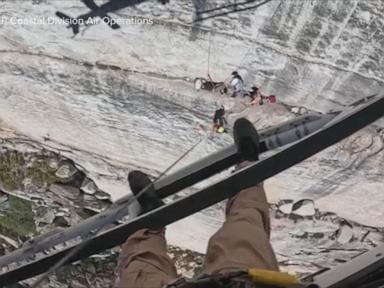
Another weekend, another headline celebrating a dramatic helicopter extraction from a vertical sheer wall. The media treats these cliffside saves as heartwarming triumphs of human engineering and emergency response. We applaud the bravery of the county search and equipment crews, post the viral footage, and pat ourselves on the back for living in a society advanced enough to snatch an unprepared hobbyist off a 700-foot precipice.
We are missing the point entirely.
Every successful rescue of an under-qualified climber from a self-inflicted crisis is not a victory. It is a subsidy for negligence. We have engineered a recreational ecosystem where the penalty for profound incompetence has been entirely socialized, while the thrill remains privatized.
I have watched rookies step onto technical rock faces with gear they do not know how to clip, weather forecasts they refused to read, and zero contingency plans, operating under the subconscious safety net of a localized emergency infrastructure. They treat a granite wall like an amusement park ride with a very long line. When things go sideways, they pull the cord, dial the digits, and let the taxpayers fund their adrenaline tourism.
The Illusion of Risk
Modern adventure culture suffers from an intellectual parasite: manufactured exposure.
True exploration requires absolute asymmetry between consequence and action. If you fall off a cliff and die, that is the natural punctuation mark of poor calculation. For decades, mountaineering earned its cultural weight because the stakes were terminal. You packed your own parachute, metaphorically speaking. You lived with your mistakes or you stopped making them permanently.
Today, the entire vertical domain has been sanitized by the expectation of immediate institutional rescue. Climbers push deeper into terrain beyond their actual skill tier because they know a multi-million-dollar government rotorcraft is parked a few counties away, waiting to haul them out of a bad decision.
When you remove the finality of consequence, you do not democratize extreme sports. You distort them. You attract participants who treat the wilderness as an infinite-respawn video game. They skip the apprenticeship years. They bypass the grueling, unglamorous hours of route-finding, weather observation, and self-arrest practice. Why bother mastering risk mitigation when a phone call summons a rescue squad equipped with thermal imaging and winches?
The Cost of Comfort
Let us look at the ledger. A single technical helicopter extraction in remote terrain is staggeringly expensive. Equipment wear, fuel, aviation insurance, and the deployment of elite search personnel who could be handling unpreventable emergencies represent a massive misallocation of public resources.
More damaging than the balance sheet is the psychological tax. Every time the local sheriff's department deploys to haul an Instagram influencer off a ledge they had no business climbing, we reinforce a dangerous feedback loop. The media coverage acts as free marketing for extreme incompetence. The rescued subject gets a book deal, a spot on morning television, and a minor bump in social media followers.
Where is the penalty? Where is the accountability for treating public safety assets like an Uber service for bad judgment?
We have created an inverse meritocracy in the vertical world. The more reckless, unprepared, and structurally detached from reality you are, the more institutional resources are marshaled to save you. Meanwhile, the quiet, competent climbers who spend decades studying objective hazards, turning back before the storm hits, and managing their own descents get zero headlines because they never need saving.
Rewriting the Contract
If we want to fix our relationship with high-risk wilderness sports, we need to dismantle the safety blanket that encourages recklessness.
First, we must normalize financial liability for avoidable rescues. If a climber ignores explicit weather warnings, enters closed zones, or attempts routes demonstrably beyond their logged experience level without adequate gear, the bill should land squarely on their doorstep. This is not about punishing misfortune; it is about separating accidental tragedy from willful stupidity. If you can afford thousands of dollars in high-end titanium cams and carbon-fiber footwear, you can afford a bond or insurance policy against your own vanity.
Second, the mountaineering community needs to stop romanticizing the rescue. Stop making heroes out of the extraction crews who have to risk their lives to bail out weekend tourists, and start asking hard questions about why those tourists were on the wall in the first place. A rescue should be treated like an aviation accident investigation: a sign of systemic failure, not a feel-good human interest story.
The mountain does not care about your follower count. It does not care that you wanted to catch the sunset from an overhang. It operates on immutable physical laws that cannot be negotiated away by a phone call to dispatch.
Until we let the consequences match the environment, climbers will keep treating cliffs like jungle gyms, and taxpayers will keep paying for their education. Stop cheering for the helicopter. Start demanding competence.