Foreign exchange markets don't usually see superpowers lock arms to rescue a struggling currency. Yet, the US Treasury recently stepped up in an extraordinary joint move with Tokyo to buy Japanese yen, halting a slide that pushed the currency near 40-year lows.
For months, traders watched the exchange rate drift past 160 yen per dollar, creating a pressure cooker for Japan’s import-dependent economy. While headlines framed this strictly as Washington doing an old ally a favor, the underlying financial mechanics tell a much sharper story about US self-interest, bond yields, and the hidden math of global debt.
If you think this was just charity, you are missing the entire plot.
The Core Pressure Cooker Driving the Yen Down
To understand why Washington intervened, you have to look at why the Japanese currency was bleeding value in the first place. Japan imports nearly all of its energy and a massive chunk of its food supply. When the yen tanks, the local cost of crude oil and grain spikes instantly.
For years, the Bank of Japan kept interest rates pinned near zero while the US Federal Reserve aggressively hiked rates. Investors happily borrowed cheap yen to buy higher-yielding dollar assets, a massive financial loop known as the carry trade.
Compounding this, political shifts under Prime Minister Sanae Takaichi introduced heavy fiscal stimulus plans. Markets panicked about structural fiscal discipline, driving total public debt past 200 percent of gross domestic product. Traders dumped the currency, forcing Tokyo to spend billions trying to catch a falling knife.
Why Washington Chose to Break Decades of Protocol
Historically, the US Treasury follows a strict hands-off mantra regarding daily foreign exchange movements unless markets turn violently disorderly. So why change course now?
Self-preservation.
When Tokyo tries to defend the yen entirely on its own, it has to fund those purchases. To get the necessary liquidity, Japan frequently sells off its massive holdings of US Treasury bonds. When a primary foreign buyer dumps US government debt en masse, American long-term borrowing costs shoot up.
US Treasury Secretary Scott Bessent faced a straightforward choice. He could let Japan fight a lonely battle that risked pushing US bond yields higher, or he could step in directly. By authorizing the Federal Reserve Bank of New York to execute currency purchases—even unconventionally using euros—Washington helped stabilize the yen while protecting its own bond market from a localized sell-off panic.
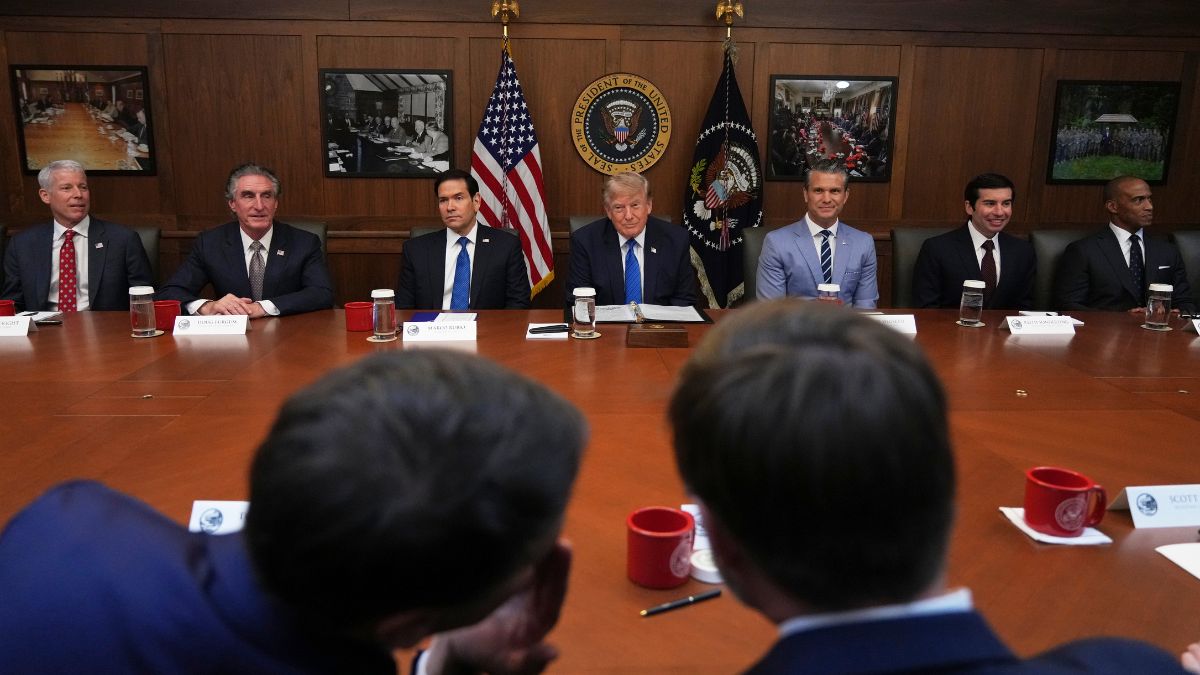
President Donald Trump confirmed the move as a blend of alliance maintenance and global economic stabilization. Behind the political rhetoric lies a pragmatic financial firewall.
The Hidden Danger of Relying on Central Bank Muscle
Joint interventions send a loud psychological shockwave to speculators. They tell hedge funds running heavy short positions against the yen that betting blindly against central banks carries severe penalties.
Even so, buying currency with borrowed or printed firepower only treats the symptom, not the disease.
- Structural interest rate gaps remain wide.
- Global energy volatility tied to Middle East tensions keeps import bills high.
- Domestic political pressures for continued fiscal stimulus in Japan haven't vanished.
Without genuine, sustained domestic monetary tightening from the Bank of Japan and rigorous fiscal restraint, psychological ceilings set by emergency interventions eventually crack.
What This Means for Markets Moving Forward
If you manage currency exposure or trade global assets, treat this intervention as a severe warning shot rather than a permanent fix. Speculators who assume central banks will constantly clean up structural economic imbalances are playing with fire.
Keep a close eye on the Bank of Japan's upcoming policy meetings and domestic inflation metrics. When central banks start coordinating across oceans, volatility spikes overnight. Position your portfolio defensively, and stop assuming currency floors are written in stone.