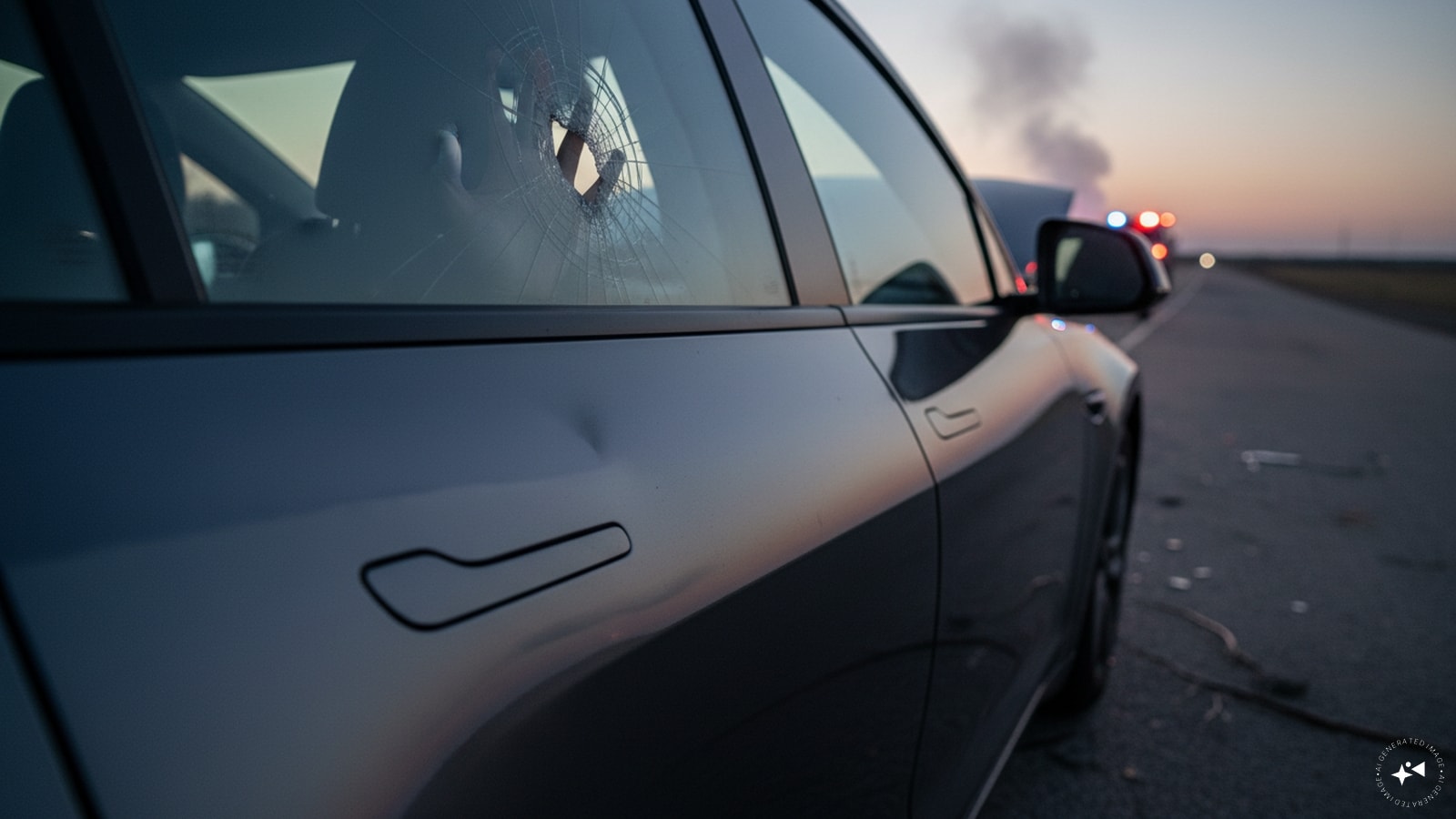
Structural Incompatibility in Automotive Safety Design
Automotive architecture is undergoing an uncoordinated bifurcation. Software-defined vehicles (SDVs) prioritize aerodynamic drag reduction, aesthetic minimalism, and unified low-voltage digital control loops. Federal safety frameworks, specifically Federal Motor Vehicle Safety Standard (FMVSS) 206, remain anchored to mechanical isolation principles.
The National Highway Traffic Safety Administration (NHTSA) initiated rulemaking to address occupant egress vulnerabilities caused by flush, electrically actuated door latching systems. This regulatory shift highlights an engineering flaw: pairing critical mechanical safety overrides with primary electronic control loops creates single-point failure risks during catastrophic energy loss.
When high-voltage battery disconnects occur in severe impacts, or when the 12V/48V auxiliary bus drops below operational thresholds, electronic door latches become non-responsive. In emergency scenarios, human survival depends on intuitive physical mechanisms rather than software-mediated actions.
The Physics and Ergonomics of Egress Failure
The operational risk profile of flush, electronic door systems rests on three structural friction points.
1. Circuitry Decoupling and Power Loss Cascades
Modern electric vehicles use solenoid-driven or motor-actuated latches governed by Electronic Control Units (ECUs) over CAN or LIN buses. Under normal conditions, pressing a button triggers an electronic release.
In a high-energy collision:
- Pyrotechnic safety switches immediately isolate the main traction battery to prevent thermal runaway.
- Secondary low-voltage (12V/48V) wiring harnesses often suffer structural deformation or shorts, dropping bus voltage to zero.
- Without power, electrically actuated exterior latches fail to operate from the outside, preventing external rescue.
2. Cognitive Load and Erroneous Override Ergonomics
Occupant survival relies on interior manual overrides, but these systems frequently lack intuitive design. Standard mechanical door handles use natural human motor responses: a single outward or upward pull releases the latch via physical cable actuation.
In contrast, software-first interiors often obscure manual overrides:
- Obscured Placement: Manual levers are frequently placed flush inside storage pockets, under removable rubber mats, or behind hidden panels.
- Asymmetric Availability: Front seating positions may include mechanical levers near window switches, while rear passenger seating lacks physical overrides entirely or buries them inside door-pocket wiring paths.
- Panic Response Divergence: Under extreme stress, heat, or darkness, human motor function shifts to instinctive muscle memory. Asking a panicked, injured, or minor occupant to locate an unmapped mechanical override violates human factors engineering principles.
3. Asymmetric Access for Emergency Responders
When power is lost, exterior flush handles retract or remain flush with the body panel. Rescuers cannot pull a mechanical handle or insert extrication tools without destroying the outer door skin. This creates a severe time penalty, increasing the risk of smoke inhalation and thermal exposure during post-crash fires.
Quantitative Breakdown: Electronic vs. Mechanical Egress Operations
+-----------------------------+-------------------------------+-------------------------------+
| System Parameter            | Legacy Mechanical Latch       | Electronic Egress Architecture|
+-----------------------------+-------------------------------+-------------------------------+
| Primary Actuation Energy    | Kinetic (Human physical work) | Electrical (Solenoid / ECU)   |
| Emergency Backup Mechanism  | Native (Direct Cable/Rod)     | Secondary Manual Overlay      |
| Mean Time To Actuate (Panic)| < 1.0 Second                  | 4.5 – 12.0+ Seconds           |
| Bus Voltage Dependency      | 0V (Fully Decoupled)          | Requires stable >9V DC        |
| First Responder Access      | External Pull Handle          | Requires Power or Pry Tools   |
+-----------------------------+-------------------------------+-------------------------------+
Regulatory Realignment and the Egress Standard
NHTSA’s decision to move beyond model-specific defect investigations into broad industry rulemaking shifts the regulatory baseline. Future FMVSS revisions will likely mandate strict design constraints across three primary vectors:
Mandatory Physical-Intuitive Parity
Regulators will likely require interior manual releases to be physically co-located with primary electronic switches, using standardized, high-contrast mechanical symbols. Systems that rely on sub-menus or hidden access points will fail compliance testing.
Fail-Safe Passive Exterior Extrication
New rules will likely mandate that exterior door handles passively deploy outward upon airbag activation or complete low-voltage power failure. Alternatively, vehicles may need to incorporate redundant mechanical linkage paths accessible from the exterior without specialized tools.
Uniform Rear Seat Egress Rules
Regulators will target the compliance gap where front occupants have manual overrides while rear seats depend entirely on power-operated latches. All occupant positions will require equal mechanical access.
Industry Retrofit Strategies and System Architecture Adjustments
Automakers face immediate trade-offs across design, manufacturing costs, and structural engineering.
                    ┌──────────────────────────────────────────┐
                    │      Electronic Latches & Egress         │
                    └────────────────────┬─────────────────────┘
                                         │
                 ┌───────────────────────┴───────────────────────┐
                 ▼                                               ▼
  ┌─────────────────────────────┐                 ┌─────────────────────────────┐
  │ Option A: Direct Mechanical │                 │ Option B: Hybrid Capacitive │
  │        Cable Backup         │                 │      Reserve Systems        │
  └──────────────┬──────────────┘                 └──────────────┬──────────────┘
                 │                                               │
   ┌─────────────┴─────────────┐                   ┌─────────────┴─────────────┐
   ▼                           ▼                   ▼                           ▼
┌──────────────┐       ┌──────────────┐     ┌──────────────┐       ┌──────────────┐
│  Robustness: │       │ Complexity:  │     │  Robustness: │       │ Complexity:  │
│  Absolute    │       │ High Cable   │     │  Power-      │       │ Software &   │
│  (0V Proof)  │       │ Routing      │     │  Dependent   │       │ Supercap Risk│
└──────────────┘       └──────────────┘     └──────────────┘       └──────────────┘
Option A: Direct Mechanical Cable Integration
- Implementation: Linking an intuitive physical lever directly to the latch assembly via steel braided cable, bypassing all software pathways.
- Trade-off: Increases assembly complexity, adds weight, and limits aerodynamic interior door styling.
Option B: Hybrid Supercapacitor Micro-Reserves
- Implementation: Placing localized capacitive storage units inside each door frame to supply emergency power to solenoids even if the primary battery fails.
- Trade-off: Does not address physical structural deformities or submerged electronic shorts, leaving single-point vulnerabilities intact.
The Strategic Engineering Roadmap
Automotive engineering teams must stop treating mechanical overrides as secondary add-ons.
- Integrate Mechanical Real Estate Early: Design door architecture around direct-pull mechanical cable geometry from day one, rather than retrofitting cables into tight panel spaces late in development.
- Standardize Operational Kinetics: Exterior and interior handles must yield to a single physical movement that mechanically trips the latch without relying on software logic.
- Audit System Interdependencies: Strip away software dependencies, local bus nodes, and complex power-routing paths from all occupant extrication systems.
If a system requires electricity to unlock a exit path during a power failure, it is fundamentally flawed. Automakers must prioritize physical fail-safe mechanisms over pure aesthetic minimalism to ensure driver and passenger safety.



/cloudfront-us-east-1.images.arcpublishing.com/eluniverso/NWBI6VTXR5HXZJR3GISYVO3AUE.jpg)