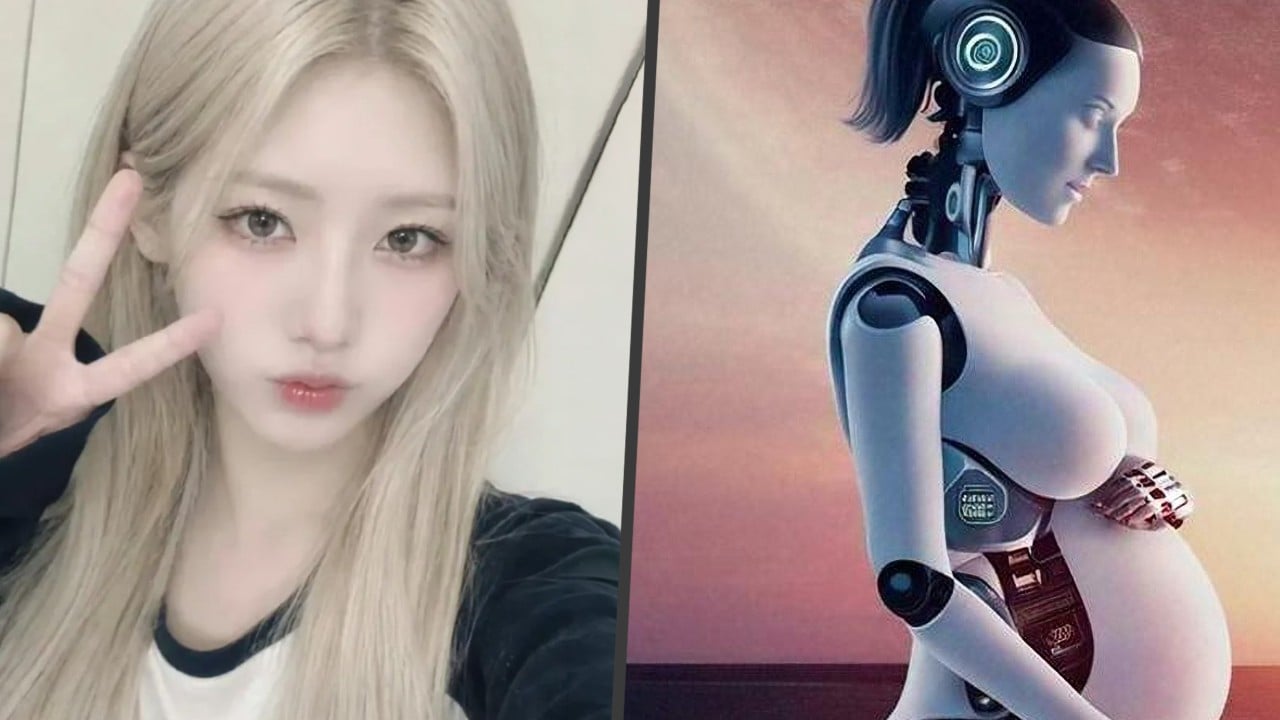
A virtual girl group member takes "maternity leave" because her creators got overwhelmed running her account. Sounds like a joke, right? Except it actually happened in October 2026, and the internet lost its mind.
When the creators of BABYQUEEN, a K-pop-inspired AI girl group out of China's Liaoning province, announced on Xiaohongshu that member Mity was expecting a baby and stepping back depending on her "physical condition," people didn't just roll their eyes. They pushed back hard. Within days, the story racked up over six million views on Weibo, turning a tiny account with roughly 1,100 followers into a lightning rod for arguments over synthetic personas, emotional manipulation, and where digital roleplay stops making sense.
Here's the bottom line right up front. Using a fictional AI character's fake pregnancy to write her out of a storyline isn't clever world-building. It's lazy storytelling that cheapens real human experiences and exposes how messy AI persona management has become.
What Actually Happened With the AI Idol Pregnancy Stunt
Launched in September 2026, BABYQUEEN tried to replicate the idol group formula using AI-generated characters rather than human trainees. Managing multiple synthetic characters sounds easy on paper until you're actually writing prompts, generating visuals, keeping voices consistent, and posting updates every day.
Rather than simply retiring Mity's character or admitting the workload got too heavy from the start, her creators leaned into a human life event to justify an absence. That choice backfired almost immediately.
- Commenters pointed out the obvious absurdity of a line of code or a generated image needing "maternity leave" or worrying about "physical condition".
- Jokes spread fast across Chinese social media about creators running low on API tokens or cutting compute costs rather than dealing with real-world biology.
- Critics argued that turning pregnancy into a plot device for a non-human avatar treats a deeply personal, physically demanding human reality like cheap clickbait.
- Following the wave of anger and mockery, the creators apologized—a reminder of how quickly small virtual projects can get dragged into public scrutiny once an algorithm pushes a post into wider feeds.
I've watched plenty of niche internet projects misread their audience over the years, and the mistake here wasn't just picking a touchy subject. It was treating synthetic characters like they have real bodies while dodging accountability when viewers called out the artifice.
Why Fake Pregnancies on Virtual Idols Hit a Nerve
If you're wondering why people got so heated over a digital character who doesn't even exist in meatspace, you have to look at how idol culture and synthetic media collide.
In traditional K-pop and idol ecosystems, pregnancy, dating, and hiatuses carry heavy emotional and commercial weight. Real performers deal with real health risks, career pauses, pressure from agencies, and intense fan reactions. Dropping that exact trope onto an AI avatar—especially as a convenient exit ramp—feels less like homage and more like parody without a punchline.
There's also a trust problem. Even when followers know a virtual idol is AI-generated, audiences still respond to human cues in storytelling. When creators mimic real vulnerability just to manufacture drama or cover up operational fatigue, viewers feel played. As noted in coverage by South China Morning Post and Sixth Tone, the backlash wasn't just about one small account. It tapped into wider frustration with synthetic content blurring lines between fiction, deception, and attention-grabbing stunts.
To be fair, reasonable people disagree on how far fictional personas can go. Some argue that if a character is openly labeled as AI, fans should treat every storyline like sci-fi or fanfiction—no different from a cartoon character having a wild plot twist. Others counter that health, pregnancy, and bodily autonomy aren't generic RPG stats you can toggle on for engagement. Honestly, both sides have a point about creative freedom versus taste, yet the execution here leaned way too hard into shock value for a tiny payoff.
Digital Boundaries and Rules for AI Personas
This controversy sits right in the middle of a much bigger reckoning over digital boundaries in synthetic entertainment.
When human creators or advertisers post misleading claims online, there are clear expectations around honesty, sponsorship disclosures, and false advertising. Synthetic personas live in a murkier zone. Scholars and commentators weighing in on the debate have asked a sharp question: if a fake human account can get flagged for deceptive behavior, should an AI persona get a free pass just because it wears a "virtual" label?
Think about what happens as AI characters get smoother voices, better motion, and more reactive chats. The gap between "obvious bot" and "convincing personality" keeps shrinking. Without clear boundaries, creators face a constant temptation to chase bigger emotional hooks—fake illnesses, fake breakups, fake pregnancies—just to beat algorithms that reward outrage and surprise.
At the same time, over-policing every silly digital gag isn't practical either. Platforms and creators need workable norms that separate harmless fantasy from manipulative stunts or disguised promotions. Calling a virtual character "pregnant" to explain why you stopped posting isn't illegal, obviously, but it shows how badly the industry still needs basic standards for honest framing.
Common Mistakes Creators Make With Virtual Idols
From watching dozens of virtual creators, VTubers, and AI accounts launch and fizzle out, most flameouts happen for predictable reasons.
- Over-scoping the cast. Running one convincing persona is hard enough. Launching a whole group of AI idols multiplies prompt maintenance, visual consistency, and daily writing tenfold.
- Faking real-world biology for convenience. Inventing physical ailments, pregnancies, or hospital stays to cover up burnout or budget limits almost always backfires once followers spot the gap between flesh and code.
- Treating novelty as a substitute for personality. People stick around for wit, music, point of view, or community—not because a profile picture was made with generative tools.
- Dodging transparency when things get weird. Trying to keep up kayfabe after a stunt goes sideways usually makes a small misstep look bigger.
What works way better in practice? Keep the premise honest, pace your output to what a small team can actually sustain, and let the creative work carry the weight instead of manufactured shock.
Practical Steps for Creators and Audiences
If you're building a virtual character or AI-assisted project, start with a clear creative charter before you publish your next post. Decide upfront what topics are off-limits for synthetic characters, keep your posting schedule realistic so you aren't tempted to invent fake emergencies when life gets busy, and label AI involvement plainly so audiences know what they're engaging with.
If you're following virtual idols or AI accounts as a viewer, keep a healthy dose of skepticism when big emotional announcements pop up out of nowhere. Check whether the story serves genuine art or just cheap engagement, and remember that behind every polished synthetic feed, there's usually a real person—or small team—typing the prompts.