The heavy glass doors of the United Nations headquarters do not rattle when history is rewritten. They close silently, locked against the rising tide of outside fury, while inside, the air smells of old paper, expensive coffee, and the quiet, vibrating panic of diplomats who know the map of the world is folding in on itself.
Imagine a mother sitting in a concrete shelter in Gaza, her hand gently cupping the back of her child's head, trying to muffle the concussive thud of the horizon collapsing. She does not care about the procedural votes in Manhattan. She cares about the silence that follows the roar. Across the ocean, in the wood-paneled corridors of Washington and the ornate, heavily guarded command rooms of Tehran, men in tailored suits trace fingers over topographical lines on glowing screens, debating the very same silence.
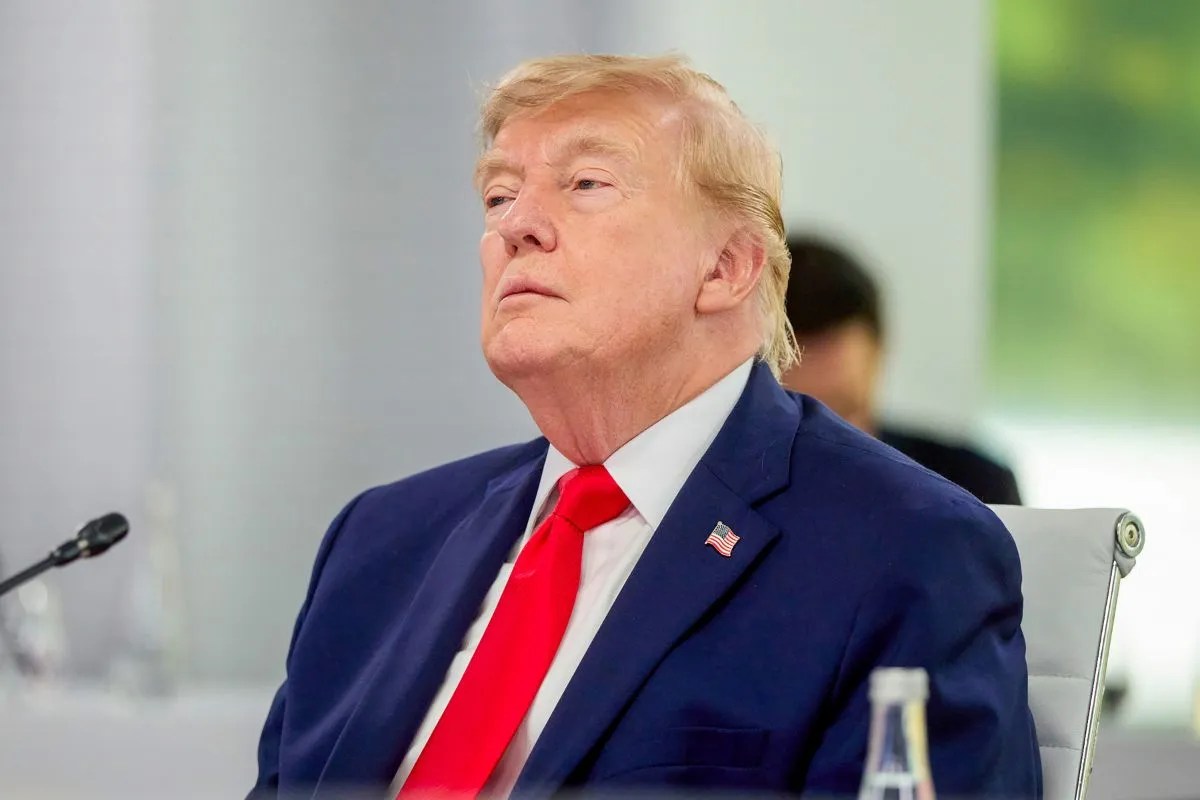
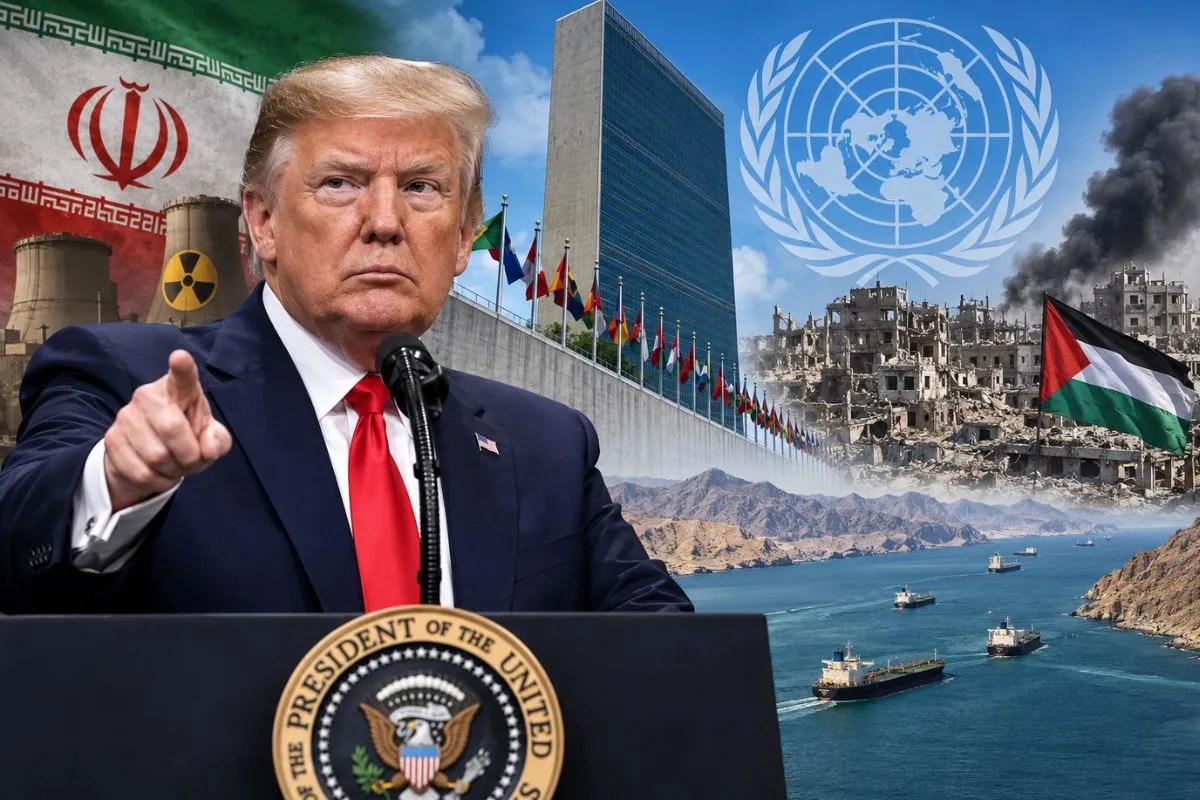
This is where Donald Trump’s shadow falls. Even from a distance, his political gravity warps the trajectory of international diplomacy, casting a massive, disruptive arc over the Middle East peace calculus. Rumors of a sweeping new Gaza peace initiative collide head-on with aggressive strategies to corner Iran, creating a high-stakes diplomatic storm that is about to break over the UN General Assembly floor.
To understand the weight of what is coming, we have to look past the official press releases and strip away the sterile jargon of international relations.
The Anatomy of an Unbreakable Deadlock
For months, the cadence of daily life in the Middle East has been dictated by a metronome of sirens and rubble. The human cost is not counted in statistical abstracts; it is measured in missing chairs at dinner tables, in unbuilt futures, and in an exhaustion so profound that it hardens into despair.
When diplomats speak of a peace plan, they often speak of it as an engineering problem. Draw a line here. Demilitarize a zone there. Guarantee security checkpoints. But treaties signed on pristine parchment rarely survive contact with the jagged reality of grief and vengeance on the ground.
Trump’s proposed strategy, whispered through diplomatic channels and leaked in strategic fragments, relies on a crude yet potent calculus: overwhelming economic leverage coupled with uncompromising security demands. It is a transactional view of human survival. The core premise assumes that if the architecture of regional trade and security can be reshaped—forcing hostile actors into a corner where defiance becomes too expensive to maintain—peace will follow out of sheer economic exhaustion.
Yet, this approach operates on a terrifying blind spot. It treats human dignity as a negotiable line item on a balance sheet.
Consider the other side of this geopolitical chess board: Tehran.
Deep within the subterranean command bunkers and the labyrinthine ministries of Iran, a different story is being written. For the clerical establishment, compromise is often viewed through the lens of existential survival. Decades of economic sanctions have forged a regime that views external pressure not as an incentive to yield, but as a test of endurance. When faced with an aggressive American strategy designed to squeeze its economy and dismantle its regional proxy network, Tehran does not fold. It digs deeper. It plays the long game of proxy attrition, cyber disruption, and nuclear brinkmanship.
When these two forces—Trump's blunt-instrument transactionalism and Iran's deeply entrenched ideological defiance—collide at the United Nations, the result is rarely compromise. It is theater. High-stakes, global theater where millions of lives hang in the balance.
The Microphone and the Message
When the American delegation steps up to the podium at the UN, every syllable will be weighed, measured, and dissected by intelligence agencies from Tel Aviv to Riyadh. The upcoming speeches are not merely statements of policy; they are warning flares.
The narrative being constructed in Washington aims to corner Tehran on the global stage, painting its regional ambitions as the single greatest impediment to Middle Eastern stability. By tying the Gaza ceasefire initiatives directly to a broader containment strategy against Iran, the diplomatic strategy attempts a difficult balancing act: offering a glimmer of reconstruction to a devastated enclave while tightening an iron collar around the Iranian regime.
Listen closely to the language used in these diplomatic corridors. Notice how clean it sounds. "Regional stability." "Strategic alignment." "Deterrence architecture."
Now translate those words back into human reality.
Strategic alignment means a father in southern Lebanon wondering if tomorrow's commute will be his last. Deterrence architecture means a young student in Tehran watching the value of his life's savings evaporate overnight because distant capitals are playing poker with his nation's currency.
The danger of this moment lies in its predictability. We have seen this script before. We know how powerful nations use international forums to project strength rather than seek genuine reconciliation. The UN, originally designed as a sanctuary for collective survival, too often becomes an echo chamber where grievances are weaponized and ultimatums are traded like currency.
The Invisible Stakes
Why does any of this matter to someone sitting thousands of miles away, watching the news ticker scroll by over a morning cup of coffee?
Because isolation is an illusion.
In a hyper-connected global economy, the shockwaves of a miscalculated move in the Strait of Hormuz or a collapsed peace framework in Gaza ripple outward with terrifying speed. Energy prices spike. Supply chains fracture. Political polarization deepens in capitals far removed from the conflict zone, fueled by the digital fallout of proxy wars and diplomatic standoffs.
More importantly, there is a moral cost. Every time the international community treats human suffering as a bargaining chip in a grand geopolitical game, a little bit of our collective humanity is eroded. We become accustomed to the suffering of strangers. We normalize the abnormal.
Trump’s upcoming platform at the UN represents a critical inflection point. If it is deployed merely as a political weapon to score domestic points or corner an adversary without offering a credible, humane path to dignity for Palestinians and Israelis alike, it will only set the stage for the next, more violent cycle of history.
Peace cannot be commanded into existence by executive fiat or squeezed out of a besieged population through economic starvation. It requires something far rarer in modern statecraft: the courage to listen to the enemy, the humility to recognize shared vulnerability, and the willingness to step back from the precipice of absolute victory.
The lights in the UN General Assembly hall will eventually dim. The translators will close their booths. The delegates will pack their briefcases, step into waiting black sedans, and head toward late-night dinners where they will analyze the optics of the day.
But back in the narrow alleys of Gaza, beneath the concrete dust that refuses to settle, the night will fall heavy and cold. The children will still be listening for the sound of the horizon. And the map of the world will remain unchanged, waiting for someone brave enough to tear it up and draw something better.