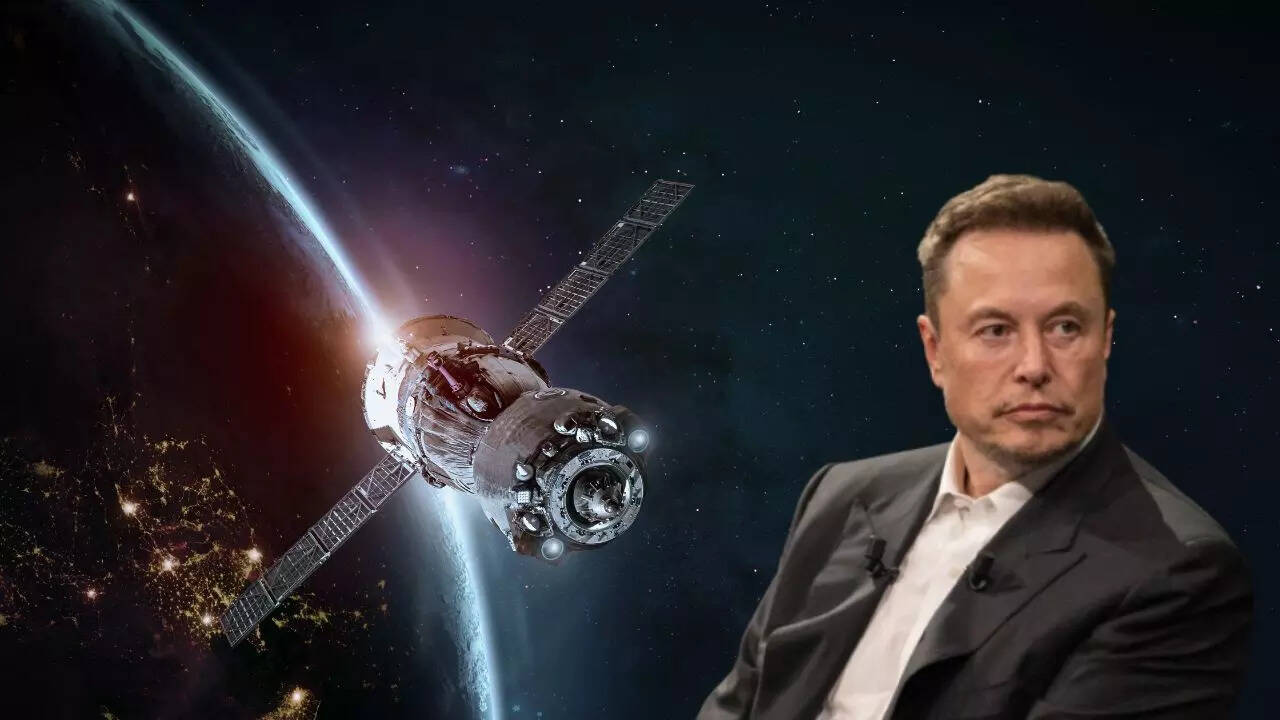
When Finnish President Alexander Stubb publicly urged Elon Musk to alter satellite internet boundaries, he wasn't speaking about commercial bandwidth. He was talking about survival. As freezing temperatures approach, European leaders realize that Ukraine's ability to withstand another brutal winter campaign depends heavily on private corporate policy.
The core issue comes down to geography and geography-locked technology. Starlink terminals have served as the backbone of Ukrainian military communications and drone operations since the early days of the 2022 invasion. Yet, the network's geographic restrictions mean service drops off across the border. Finnish leadership argues that changing this policy is no longer just a technical adjustment. They view it as an urgent component of air defense.
The Winter War Reality Check
Moscow has spent years weaponizing the cold. Striking Ukraine’s energy grid, heating plants, and power distribution hubs has become a predictable seasonal playbook. When winter sets in, dropping temperatures turn infrastructure damage into a humanitarian catastrophe.
President Stubb laid out a blunt assessment of what Ukraine actually requires to survive the months ahead: reinforced air defenses, protected energy installations, and consistent financial backing. But air defense missiles are expensive and scarce. Using active satellite-linked guidance systems and interceptor drones offers a cheaper, scalable layer of protection.
That is where the bottleneck lies. Ukrainian interceptor drones and targeting mechanisms often lose connection or face strict speed and location caps over Russian-occupied zones and cross-border launch sites. Mobile ballistic missile launchers parked safely just across the border can fire at Ukrainian cities with near impunity because the electronic architecture restricting SpaceX's Starshield and Starlink networks prevents counter-strikes at the source.
Why Private Tech Dictates Geopolitics
We live in a bizarre era where billionaire CEOs hold veto power over sovereign defense strategies. SpaceX's refusal or restriction to light up coverage over Russian territory creates a protected sanctuary for launch crews.
From a technical standpoint, turning on coverage sounds simple. Flip a switch in California, expand the geofence, and let the terminals connect. From a corporate and geopolitical risk management perspective, it opens up a messy debate about direct participation in cross-border escalation. Musk has previously restricted or slowed down aspects of the network to avoid being pulled deeper into offensive military actions, sparking intense friction with Kyiv.
Yet, Finland's intervention highlights a growing panic in European capitals. Leaders like Stubb don't make public appeals to private industrialists unless diplomatic channels have hit a wall. Europe is scrambling to assemble a coherent winter package because they know a frozen battlefield won't stop long-range bombardment.
The Strategic Dilemma Behind the Front Lines
If Starlink coverage expands over Russian territory, the tactical math changes overnight. Ukrainian defense units could track and neutralize mobile missile launchers before they unleash volleys against civilian power grids. Without that access, Ukraine remains in a purely reactive posture, trying to shoot down incoming supersonic and ballistic threats after they're already in flight.
Critics of the expansion point to the obvious escalation risks. Letting a commercial satellite constellation guide offensive military strikes inside an adversary's sovereign territory blurs the lines between commercial service providers and active combatants. Yet, proponents argue that allowing safe havens for attackers guarantees civilian suffering when the snow starts falling.
The reality on the ground is unforgiving. No amount of diplomatic hand-wringing keeps homes warm when the grid goes dark. As autumn deepens into winter, the pressure on Washington, European allies, and SpaceX will only intensify. Whether private satellite networks become an active shield for energy infrastructure depends entirely on decisions made far away from the front lines.