The kitchen smells of cold ash and wet wool. Outside, the rain is not falling; it is loitering, gray and permanent, slicking the cobblestones of the rue de Rivoli until they shine like the back of a mackerel. Inside, Jean sits at a Formica table that has a slight wobble, his fingers wrapped around a mug of chicory that has long since stopped steaming.
Jean is sixty-four. For forty of those years, he has kept a small stationery shop three blocks from the Panthéon, a place where university students buy notebooks they will lose before the midterm, and old men buy ink that smells faintly of iron. He is not a revolutionary. He votes moderately, pays his taxes by direct debit on the fifteenth of every month, and worries about his left hip whenever the weather turns damp.
Yet tonight, Jean has a matchbook in his pocket.
On the small transistor radio propped between a stack of manila folders and a jar of rubber bands, a commentator is shouting about a phrase. Foutre au feu. Throw it in the fire.
It is a crude expression, dredged from the mud of old French history, dusted off, and hurled into the modern arena by politicians who know that a ledger is never just a collection of numbers. A ledger is a moral contract. Or, depending on who is holding the pen, a chain.
To understand why a nation can become so transfixed by the image of burning its own debts, you have to stop looking at the spreadsheets. Spreadsheets are merciful. They are printed in neat columns of blue and black ink, suggesting an order to the universe that does not exist in the damp morning air of a Parisian arrondissement. Spreadsheets tell you that a billion euros is just a fraction of a percentage point on a sovereign yield curve.
Human beings do not live on yield curves. They live in rooms where the radiator clicks twice and then goes cold.
Jean looks down at his business accounts. The digital portal glows with the latest notice from the bank—a polite, automated reminder that his deferred loan repayments, remnants of the pandemic years that stubbornly refused to evaporate, are now accumulating penalties. The numbers are abstract until you translate them into the language of his life: three months of inventory he cannot order, the roof leak he has patched with gray tape since November, the quiet decision not to see his cardiologist because the co-pay is thirty-five euros he might need for electricity.
When someone says foutre au feu to a debt, they are not engaging in fiscal policy. They are performing an exorcism.
The phrase has a lineage, and like most things of weight in France, it smells of sulfur and old paper. Long before television studios turned national deficits into a perpetual boxing match, the ledger was seen by the common citizen as a magical instrument of oppression. In the Middle Ages, rural revolts often began not with the storming of castles, but with the burning of the terriers—the registers in which lords recorded what the serfs owed in grain, labor, and coin.
To burn the book was to reset time. It was an act of raw, primitive magic: if the record of the debt goes up in smoke, does the debt itself survive?
Of course it does. The banker remembers. The state keeps a backup copy in a limestone bunker outside of Poitiers. But the psychological relief of the bonfire—even if only witnessed on a flickering screen or shouted from the bed of a flatbed truck during a general strike—runs deep through the political psyche of a country that invented the guillotine not out of malice, but out of a desperate, geometric need for a clean slate.
Consider the paradox of modern credit. We live in an era where entire nations are tethered to invisible algorithms managed by men who look like accountants and talk like actuaries. These debts are eternal. They do not die with the debtor; they are bundled, securitized, traded in Tokyo and New York, and handed down to children who were not even born when the initial loan was inked.
Against this endless machinery of obligation, what is a politician to do?
Enter the image of the fire.
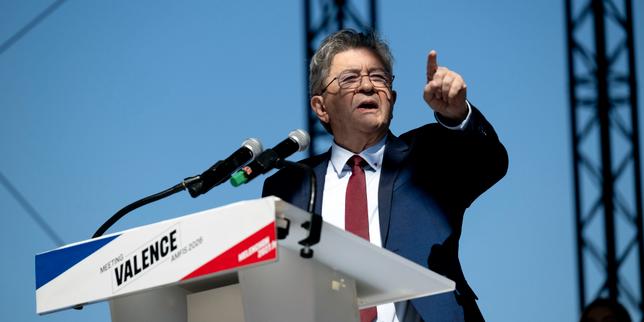
When a contemporary figure uses the language of burning the books, they are tapping into a very old, very dangerous theatrical tradition. It is the politics of the gesture. A gesture doesn't balance a budget. A gesture doesn't pay the nurses in the public hospitals or maintain the nuclear reactors that keep the lights on in Lyon. But a gesture makes the cold room feel suddenly warm.
Jean remembers his grandfather talking about the postwar years, the days of reconstruction when the franc was so weak you needed a wheelbarrow of notes to buy a loaf of bread, but somehow the slate felt wiped clean by the sheer magnitude of the catastrophe. There is a perverse comfort in total ruin. It creates an egalitarian zero. If everyone has lost everything, no one is failing.
"They talk about the markets," Jean mutters to the empty kitchen, his thumb worrying the edge of the matchbook. "The markets don't have grandchildren."
The debate raging on the radio—whether fiscal discipline is a virtue or a straitjacket—misses the human pivot entirely. The technocrat sees the sovereign debt as a mechanical problem of revenue versus expenditure, a plumbing leak that can be fixed with the right combination of pension reform and value-added tax adjustments. The populist sees it as a moral instrument wielded by a distant oligarchy to drain the marrow from ordinary lives.
Both are right. And both are lying.
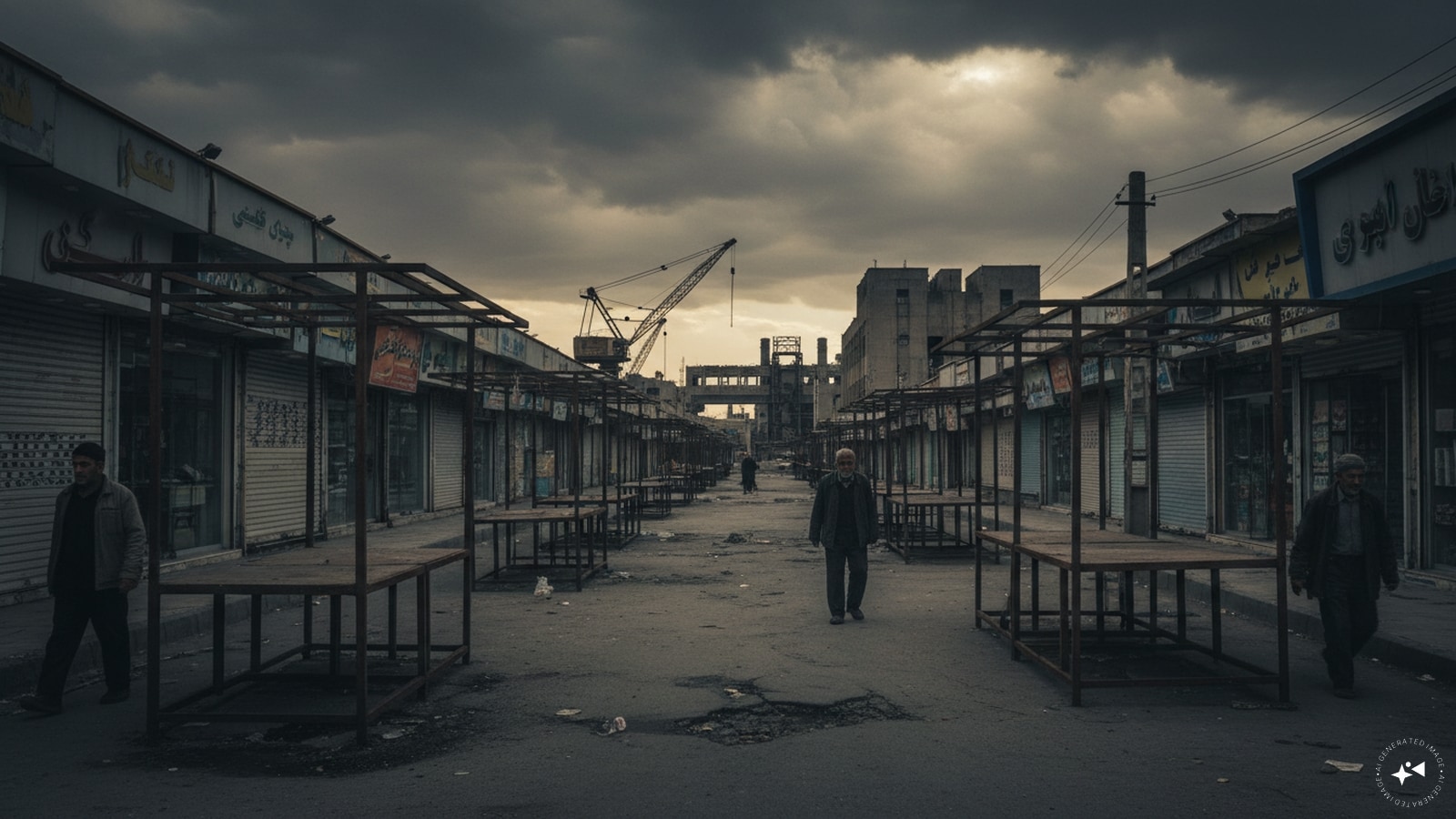
The truth is that debt is the glue of modern civilization, but like all glues, it becomes toxic when applied too thickly. When the cost of servicing the past consumes the capacity to build the future, the social contract begins to fray at the edges. You see it in the shuttered bakeries in towns where the highway bypassed the square twenty years ago. You see it in the eyes of young people who work forty hours a week and realize that the concept of buying a two-room apartment within fifty kilometers of their birthplace is as realistic as owning a horse-drawn carriage.
When people cannot win the game by the rules, they start looking at the board with a different kind of intensity. They don't want to play better. They want to flip the table.
Or, failing that, they want to see someone throw the ledger into the flames.
Outside, the rain has turned the streetlamps into blurry halos of orange light. A delivery van rattles past, its tires hissing against the asphalt. Jean does not strike the match. He is too old for theatricals, and he knows that the utility company does not accept charred paper as legal tender. He simply folds the matchbook back up, tucks it into his waistcoat, and reaches for his pen.
There are three invoices to write before morning. The ink is black. The lines are straight. But as he draws the first vertical stroke, he can still smell the smoke.