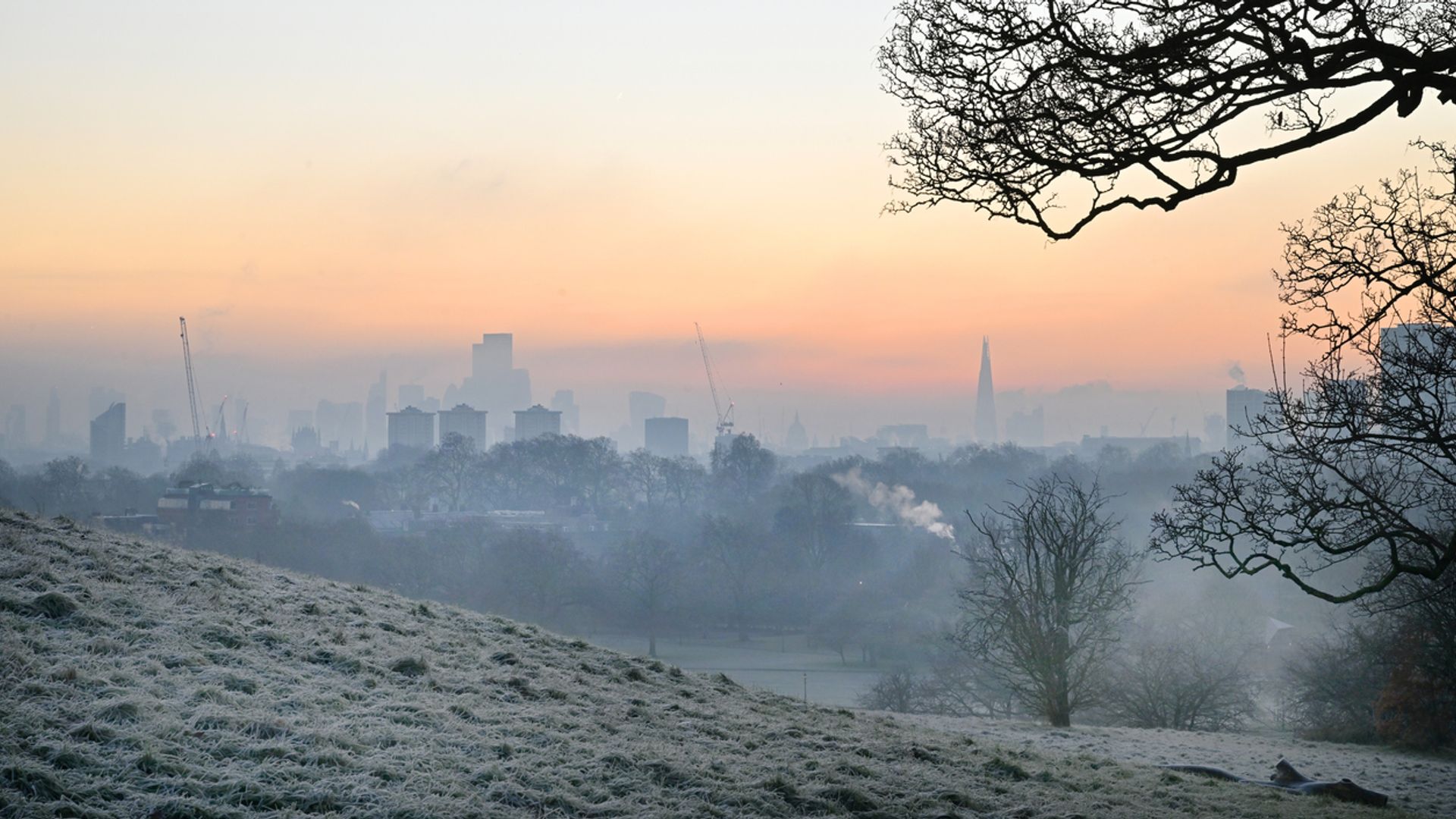
When temperatures drop to -7°C and public health agencies issue the first cold weather health alert of the winter, the real danger is rarely hypothermia on an icy street. The true killer operates indoors, silently, days after the thermometer hits bottom. Every winter, meteorologists focus on dramatic windchill figures and frostbite warnings, while standard weather reports reduce severe cold snaps to travel advisories and coat reminders. That framing misses the physiological reality of cold exposure. A sudden plunge below freezing triggers immediate cardiovascular strain, thickens blood plasma, and turns poorly insulated homes into silent hazards for anyone with underlying heart or respiratory conditions.
Most coverage treats a -7°C forecast as a novelty or a minor inconvenience. It is neither. When an early-season freeze arrives before populations have acclimated, emergency departments do not fill up with hikers suffering from frozen extremities. They fill up with older adults experiencing acute myocardial infarctions, ischemic strokes, and severe exacerbations of chronic obstructive pulmonary disease. Understanding what actually happens to the human body—and our aging housing stock—during that initial freeze is the difference between routine winter discomfort and preventable mortality. Meanwhile, you can read other developments here: The Ghost We Forgot How to Fear (And Why It Is Knocking Again).
The Biology of the Sudden Freeze
Your body is engineered to defend a core temperature of roughly 37°C at all costs. When ambient air plunges to -7°C, thermoreceptors in your skin send urgent signals to the hypothalamus, initiating a cascade of survival mechanisms that place immense stress on your circulatory system.
The first line of defense is peripheral vasoconstriction. Blood vessels in your hands, feet, skin, and superficial muscles narrow dramatically to shunt warm blood inward toward vital organs. While this preserves core heat, it also shrinks the total volume of your vascular network. Pumping the same amount of blood through narrower pipes forces arterial blood pressure to spike within minutes. For a healthy twenty-something, this temporary hypertension is harmless. For someone with stiffened arteries, undiagnosed atherosclerosis, or compromised heart muscle, that sudden surge in resistance can rupture arterial plaque or trigger cardiac arrest. To explore the full picture, check out the excellent article by Mayo Clinic.
Simultaneously, cold exposure alters the composition of your blood. Because vasoconstriction increases central blood volume, your kidneys interpret the shift as fluid overload and increase urine production—a phenomenon known as cold-induced diuresis. As you lose water, the concentration of red blood cells, platelets, and clotting factors like fibrinogen rises. Your blood literally becomes more viscous. Combine elevated blood pressure with thicker, stickier blood, and the mathematical probability of a clot forming in a coronary or cerebral artery climbs sharply.
The Delayed Mortality Curve
If you look at hospital admission logs following a cold weather health alert, you will not see a single sharp spike on the night temperatures hit -7°C. Instead, epidemiological data consistently reveals a lagged mortality effect that stretches across one to two weeks.
Hypothermia kills quickly, usually within hours of extreme exposure. Cardiovascular and respiratory events, by contrast, incubate. Exposure to cold, dry air strips moisture from the mucosal lining of the bronchial tubes, paralyzing the microscopic cilia that clear pathogens and pollutants from the lungs. Respiratory viruses thrive in these conditions, and bacterial infections take hold days after the initial chill. Meanwhile, sustained indoor cold keeps blood pressure elevated around the clock, gradually exhausting weakened cardiovascular systems until a stroke or heart attack occurs four, seven, or ten days after the weather front has already moved on.
Why Early Season Cold Hits Harder
A -7°C reading in mid-January is routine in northern climates. The exact same temperature in late November or early December carries a disproportionately higher risk. Human physiology requires time to adapt to seasonal shifts, and early cold snaps catch populations entirely unprepared.
During late autumn, our bodies have not yet undergone cold acclimatization. Repeated exposure to mild cold gradually dampens the sympathetic nervous system's panic response, moderating the severity of vasoconstriction and reducing the magnitude of blood pressure spikes. Without that gradual conditioning, an abrupt drop to -7°C hits the autonomic nervous system like a blunt instrument.
Behavioral lag compounds the biological shock. People underestimate early winter cold. Homes haven't been fully draft-proofed, heating systems haven't been serviced, and residents delay turning up thermostats to avoid an early shock to their utility bills. Many individuals step outside in autumn jackets, misjudging how rapidly wind chill strips heat from exposed skin and lungs.
The Wind Chill Misconception
Weather broadcasts routinely emphasize "feels like" temperatures, warning that -7°C feels like -14°C in a brisk wind. While wind chill is a useful metric for estimating how fast exposed skin will freeze, it often confuses the public about how cold affects buildings and internal body temperature.
Wind accelerates convective heat loss, meaning it strips away the thin layer of warm air trapped near your skin or against the exterior walls of a house. However, wind cannot cool an inanimate object—or a sheltered human—below the actual ambient air temperature of -7°C. The danger of wind during a cold weather health alert isn't that it makes the air colder; it is that it strips heat away faster than your metabolic furnace can replace it, accelerating the onset of peripheral vasoconstriction even during brief walks from a front door to a car.
The Indoor Cold Trap
Public health messaging overwhelmingly assumes that cold weather injuries happen outdoors. In reality, the majority of cold-related deaths occur inside residential buildings where indoor temperatures fall below safe thresholds for prolonged periods.
Epidemiological standards established by the World Health Organization and national health agencies identify 18°C (64°F) as the minimum safe indoor temperature for healthy adults, and 20°C to 21°C (68°F to 70°F) for older adults, infants, and people with chronic illnesses. When indoor temperatures drop below 16°C, respiratory resistance increases; below 12°C, cardiovascular strain becomes measurable even while sitting still under a blanket.
Consider a hypothetical example of a 78-year-old retiree living alone in a poorly insulated, post-war semi-detached house. When a cold weather health alert forecasts -7°C overnight, they keep their thermostat set to 15°C to save money on heating costs, wearing an extra sweater and sitting in an armchair. Because older adults have diminished peripheral thermosensitivity, they often do not feel uncomfortably cold even as their core temperature begins to drift downward. Over 48 hours in a 15°C room, their blood pressure remains chronically elevated, their blood thickens, and their risk of a fatal stroke quietly doubles—all without them ever stepping outside their front door.
Fuel Poverty and Behavioral Rationing
Modern energy pricing has turned domestic heating into a rationing exercise for millions of households. During an early cold snap, financial anxiety directly competes with physiological safety.
People rarely turn off their heat entirely; instead, they engage in spatial heating rationing. They heat a single living room during the evening and leave bedrooms, hallways, and bathrooms unheated. Moving from a 20°C living room into a 10°C hallway or bathroom triggers an immediate, localized cold shock. Getting out of bed at 3:00 AM to use an unheated bathroom is a well-documented trigger for nocturnal cardiac events, as the sudden temperature drop causes instant vasoconstriction just as blood pressure naturally begins its morning rise.
What Standard Cold Weather Alerts Get Wrong
When health authorities issue a cold weather health alert, the announcement typically triggers internal protocols for hospitals, social care providers, and municipal warming centers. For the general public, however, the communication often falls flat because it relies on vague platitudes rather than actionable thresholds.
Telling people to "check on elderly neighbors" and "dress in layers" is well-intentioned, yet it fails to explain what to look for or how to intervene effectively. A neighbor who says they feel fine might still be living in a dangerously cold house.
Actionable Metrics Over Vague Advice
Effective cold-weather protection requires specific, measurable habits rather than passive awareness.
- Monitor indoor air, not just personal comfort. Relying on how cold you feel is unreliable, particularly past age 65. Keeping a simple digital thermometer in the main living area and bedroom provides an objective warning when indoor air dips below 18°C.
- Maintain consistent baseline warmth. Allowing a home to plummet to 12°C overnight to save energy forces the heating system to work harder in the morning while subjecting occupants to hours of silent cardiovascular strain. Keeping the thermostat steady at a minimum of 18°C in occupied rooms prevents nocturnal blood pressure spikes.
- Warm the air you breathe. Cold, dry air triggers bronchospasm in people with asthma or COPD even before core temperature drops. Loosely wrapping a scarf or wearing a breathable mask over the nose and mouth outdoors traps exhaled moisture and warms incoming air before it hits delicate lung tissue.
- Avoid sudden physical exertion in freezing air. Shoveling snow or rushing to catch a bus in -7°C weather combines heavy aerobic demand with cold-induced vasoconstriction. The heart demands more oxygen at the exact moment coronary arteries are narrowing—a classic recipe for acute cardiac ischemia.
- Hydrate deliberately. Because cold suppresses the thirst mechanism while increasing urine output, mild dehydration is nearly universal during winter freezes. Drinking warm fluids throughout the day counteracts cold-induced diuresis and keeps blood viscosity in check.
The Infrastructure Deficit Beneath the Forecast
Every winter, the cycle repeats. Temperatures drop, alerts go out, emergency rooms strain under preventable admissions, and officials urge personal responsibility. Yet personal vigilance cannot compensate for structural failure.
Across temperate regions, millions of homes were built decades before modern thermal efficiency standards existed. Single-glazed windows, uninsulated solid brick walls, and drafty floorboards bleed heat rapidly whenever outside temperatures fall below zero. In these environments, maintaining a safe indoor temperature of 18°C during a -7°C freeze requires burning massive amounts of energy—an expense that low-income and fixed-income households simply cannot absorb.
Until building retrofits, insulation subsidies, and targeted energy support are treated as core public health infrastructure rather than optional environmental policies, a -7°C forecast will continue to function as a predictable mortality event. Watch the thermometer outside your window, keep your living space above 18°C, and check the actual room temperature when visiting older relatives—because the cold that kills rarely announces itself with shivering.