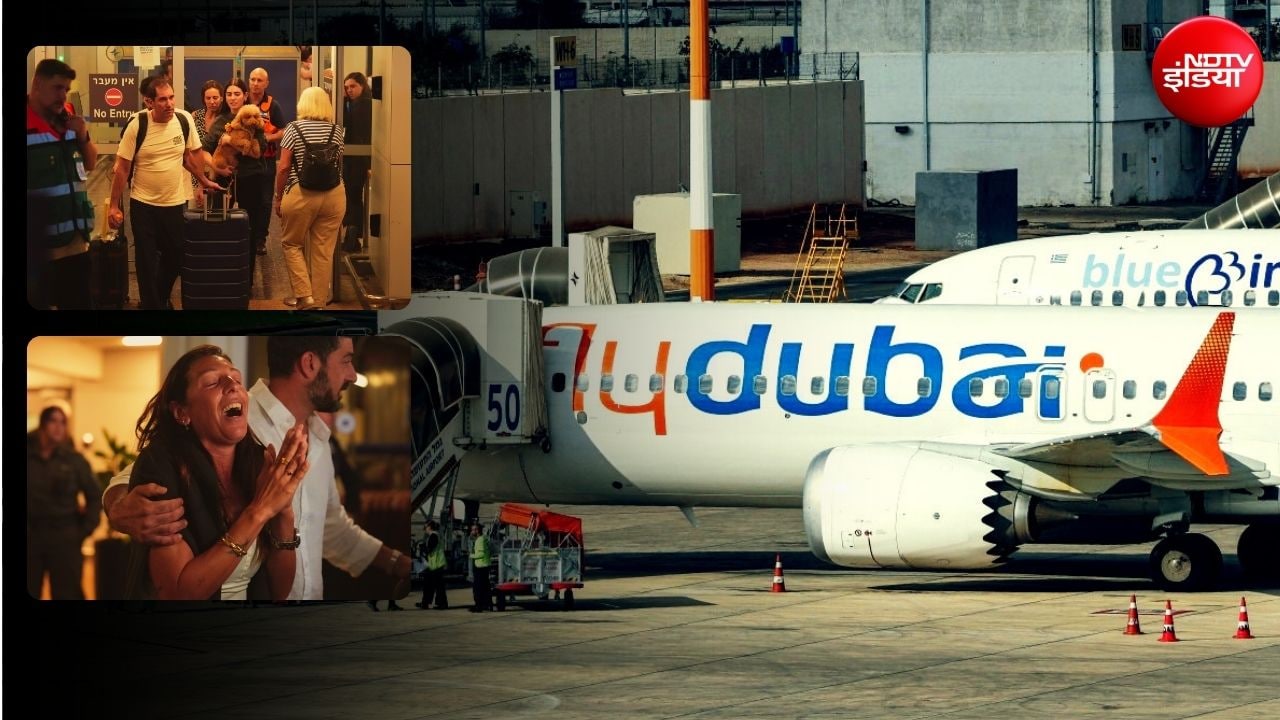
Thirty-four thousand feet above the earth, the world looks serene. The sky is an impossible shade of deep indigo, and the curved horizon reminds anyone watching of the sheer scale of the planet. Inside the cabin of flydubai Flight FZ1073, a Boeing 737 MAX headed west from Dubai toward Tel Aviv, passengers were settling into the routine hum of a morning journey. Some were reading. Others dozed against the cool plastic of the window shades. Coffee carts rolled softly down the aisle.
Then the floor dropped out from under them. In related developments, we also covered: Whispers on the Cobblestone The Afternoon the Alpacas Stopped Time.
In aviation, altitude is life. When a commercial airliner cruises at thirty-four thousand feet, it rides a delicate cushion of air and physics, balanced by thrust and lift. At 9:21 a.m., that balance shattered behind the locked door of the flight deck.
What followed was not a mechanical failure or a sudden storm, but something far more terrifying: a fracture of human trust at six hundred miles per hour. Condé Nast Traveler has provided coverage on this critical topic in extensive detail.
The first officer, seated beside Captain Smit Machchhar, turned a routine morning transit into a desperate struggle for survival. Armed with the cockpit's emergency crash axe, an unexpected assault broke the quiet of the flight deck. Captain Machchhar found himself fighting for his life against a colleague who, investigators would later reveal, sought to seize control of the aircraft in a catastrophic suicide operation.
The aircraft pitched downward with brutal ferocity. Within sixty seconds, the altimeter unwound from thirty-four thousand feet down to seventeen thousand feet. The rapid, violent descent subjected the metal frame of the Boeing 737 to immense aerodynamic stress, tearing away a large portion of the aircraft's outer rudder as it pushed past its design limits. Inside the cabin, overhead bins rattled, oxygen masks dropped, and screams tore through the fuselage as gravity seemed to vanish and then return with crushing weight.
Yet, amidst the chaos, human instinct swung violently back toward preservation.
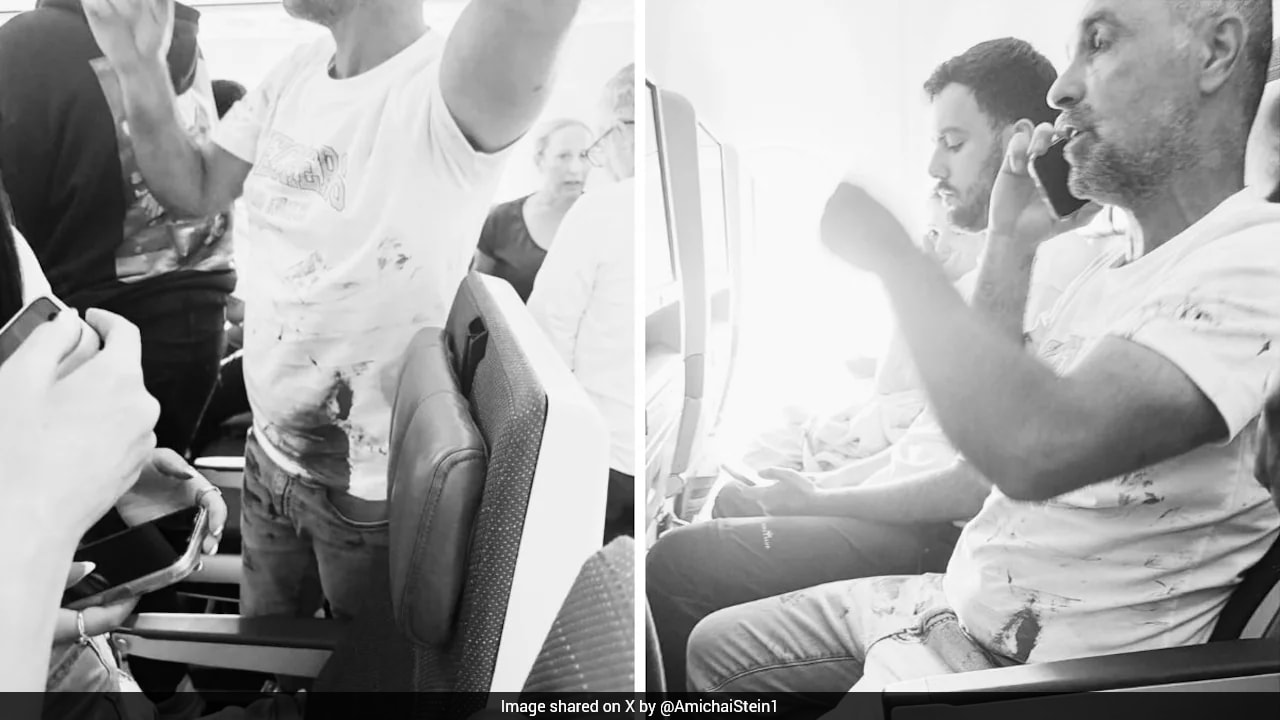
Bleeding and severely injured, Captain Machchhar made a split-second decision that saved everyone on board. Rather than keeping the armored flight deck door sealed—a modern aviation security measure designed to keep threats out, which can inadvertently trap a crew—he fought to unlock it, allowing passengers and off-duty pilots traveling as passengers to flood into the cockpit.
Ordinary travelers became an impromptu defense line. A dentist and a plumber stepped forward to administer first aid to the bleeding captain while other passengers and deadheading flydubai pilots tackled the attacker, subduing him with headphone wires and cable ties. Up front, deadheading crew members took over the flight controls, stabilizing the plunging jet and turning its transponder to squawk code 7700, the universal signal for a general emergency, followed briefly by 7500 for unlawful interference.
Outside, the geopolitical reality of the region complicated the desperate flight. Israeli Air Force fighter jets scrambled after the transponder codes and erratic trajectory raised alarms, ready to intercept a potential rogue aircraft heading toward airspace near Tel Aviv. But the aircraft reversed course, turning away from the Mediterranean coast and cutting back toward the Jordanian border, seeking sanctuary.
With structural damage to its tail and a cockpit stained with blood, the plane needed a safe harbor immediately. It pointed its nose toward northwestern Saudi Arabia, descending through the desert air toward Prince Sultan bin Abdulaziz Airport in Tabuk.
When the wheels finally touched the tarmac at 10:45 a.m., the immediate nightmare ended, replaced by the stunned silence of survivors realizing they had walked off the edge of a precipice and pulled themselves back. The physical injuries healed slowly, but the incident left a permanent mark on the aviation community, forcing a stark re-examination of cockpit security, crew mental health screenings, and the invisible vulnerabilities of modern flight.
Thousands of feet in the air, passengers on Flight FZ1073 learned a stark truth about travel. We place our lives into the hands of complete strangers every time we board a metal tube and leave the ground, trusting invisible protocols, steel doors, and human restraint. And when those systems fail, we rely entirely on the raw, uncalculated courage of the person sitting next to us.