The modern aviation safety apparatus is built on a foundational premise that borders on absolute faith: the two people strapped into the flight deck seats are the ultimate guardians of the passengers behind them. Millions of travelers board commercial aircraft every day operating under the quiet assumption that cockpit crew members are vetted, stable, and unyielding professionals who represent the final line of defense against disaster.
That architecture of trust fractures permanently when a passenger accuses the pilot of trying to crash the plane.
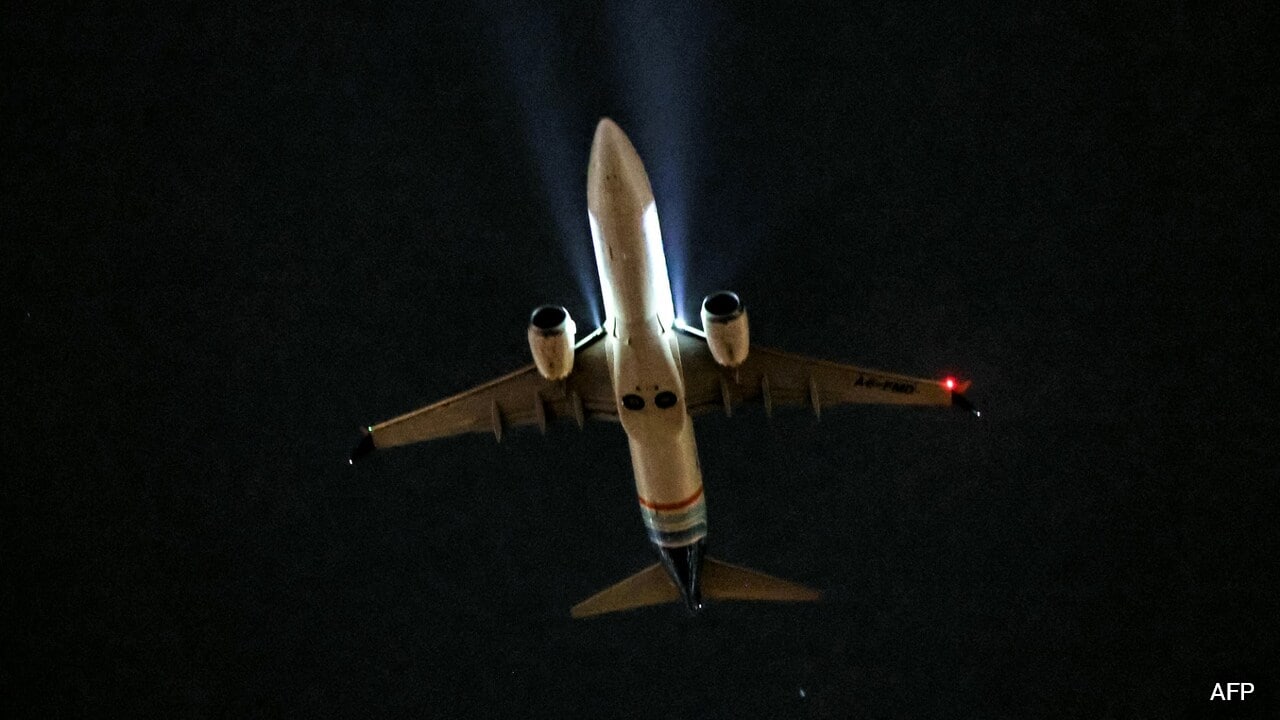
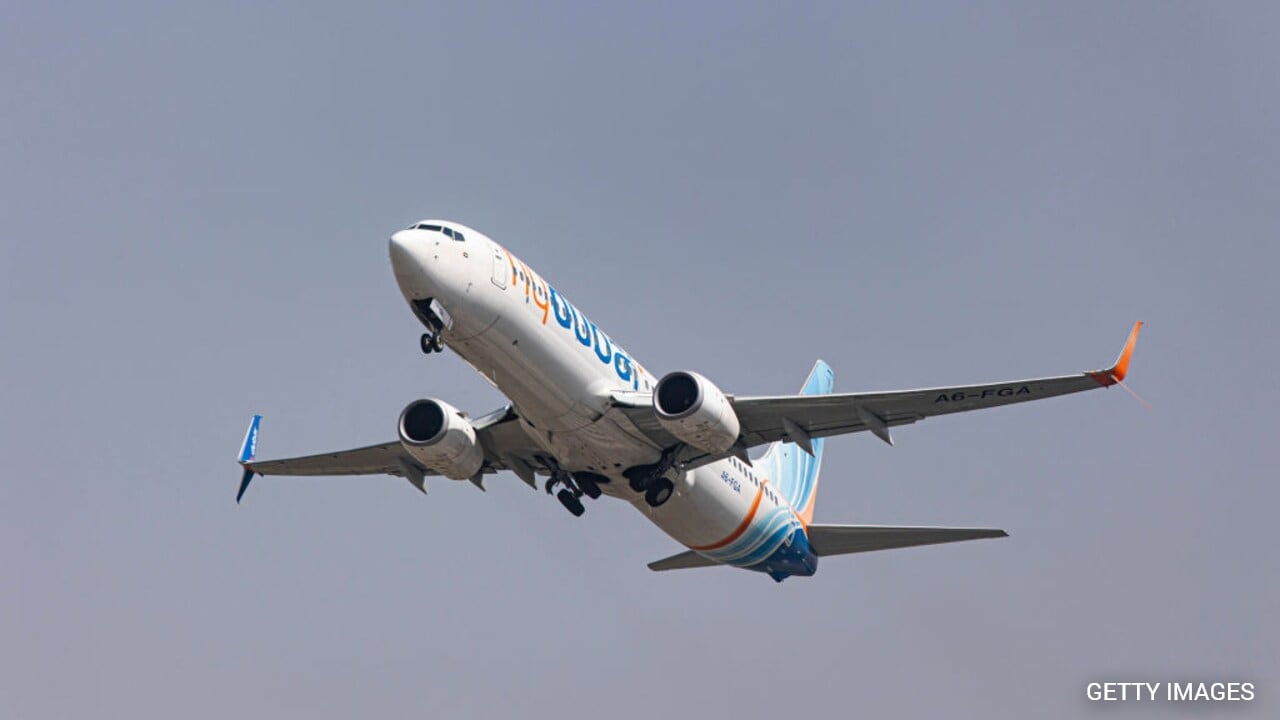
When reports emerged regarding a flydubai flight en route to Tel Aviv where a passenger alleged a catastrophic, intentional act from the flight deck, the immediate public reaction swung between sensationalist panic and defensive corporate PR. Headlines recycled terms like midair terror, while airline representatives scrambled to reframe the incident as a routine passenger disturbance or a misunderstanding fueled by high-altitude anxiety.
Veterans of aviation reporting know the truth usually rests in the suffocating gray area between corporate deflection and passenger panic. Commercial aviation is not immune to the psychological fractures that affect every other high-stress modern industry. Pilots are human beings subjected to the same economic pressures, geopolitical stressors, and mental health crises as anyone else. Yet, the aviation ecosystem has historically preferred to treat pilot incapacitation or behavioral anomalies as mechanical anomalies rather than systemic psychological vulnerabilities.
To understand why an incident involving an alleged pilot-induced crash threat causes immediate institutional panic, one must examine how the cockpit barrier functions. Since the regulatory rewiring of global aviation security following the events of September 11, 2001, the flight deck was deliberately transformed into a heavily fortified bunker. Reinforced armored doors, electronic locking systems, and strict access protocols were designed to keep malicious actors out.
The tragic irony of this engineered fortress is that it also isolates the crew from the outside world. If a threat originates from inside the cockpit, the reinforced door stops being a shield for the passengers and becomes a vault trapping them with potential danger.
In the specific case of the flydubai routing toward Tel Aviv, regional tensions compound an already volatile operational environment. Flying into Ben Gurion Airport involves distinct tactical considerations, tight air traffic corridors, and heightened situational awareness. Crew fatigue on Middle Eastern carriers operating intensive turnaround schedules is an open secret within flight operations departments. When exhaustion collides with acute psychological distress or ideological friction, the margin for behavioral breakdown narrows dangerously.
Airlines routinely point to rigorous psychological screening and recurrent simulator checks as proof of robust oversight. These evaluations are fundamentally flawed. Annual medical exams often rely on self-reporting for mental health issues. Pilots quickly learn that disclosing anxiety, depression, or personal crises to an aviation medical examiner is a fast track to losing their livelihood. Consequently, the incentive structure actively encourages concealment. A pilot struggling with severe psychological strain has every reason to mask their symptoms rather than seek help, operating heavy machinery at thirty thousand feet while walking a tightrope of internal collapse.
The public often misinterprets turbulence or sudden descent profiles as signs of pilot malice. Air traffic control logs, flight data recorders, and cockpit voice recorders usually reveal mundane explanations: severe wind shear, unexpected air traffic control instructions, or rapid descent protocols designed to clear weather cells or handle cabin depressurization. Experienced investigators look past the raw emotion of passenger statements to examine the telemetry. Did the aircraft parameters reflect intentional control inputs aimed at terrain collision, or were they the erratic movements of a crew battling mechanical failure or disorientation?
When a passenger confronts the reality that the person at the controls might pose a risk, the psychological impact is profound. Passengers lack the technical context to distinguish between aggressive maneuvering necessitated by weather and erratic inputs driven by intent. This information vacuum creates fertile ground for rumors, viral social media posts, and unverified accounts that complicate official investigations.
Carriers like flydubai operate in hyper-competitive markets where brand protection supersedes transparent communication. Initial public statements from airlines during active security investigations invariably lean toward minimizing exposure. They emphasize the safe landing of the aircraft and downplay the behavioral state of the flight crew, dismissing witness accounts as unreliable. This defensive posture backfires, eroding public confidence and feeding conspiracy theories that thrive in the absence of hard facts.
Regulators must confront the uncomfortable reality that pilot mental health monitoring requires a complete structural overhaul. Punitive reporting systems must be replaced with confidential, supportive intervention frameworks that allow pilots to seek treatment without automatically surrendering their medical certificates. If the industry continues to treat mental health as a liability to be hidden rather than a medical condition to be managed, incidents involving erratic or threatening behavior on the flight deck will cease to be statistical anomalies.
The aviation industry cannot simply fortress its way out of this vulnerability by adding more locks to the door. Trust in commercial flight depends entirely on the transparency with which airlines and regulators address the human element in the cockpit. When the guardians become the hazard, denying the reality of the threat is no longer a viable strategy for survival.