The fragile ceasefire in southern Lebanon just suffered its bloodiest day in two months. Eleven people, including three children, are dead following a wave of intense Israeli airstrikes.
If you thought the June framework agreement between Israel and Lebanon meant permanent quiet, Saturday proved you wrong. Two separate strikes targeted southern villages, shattering whatever illusion of stability remained in the region.
Inside the Strikes That Shattered the Quiet
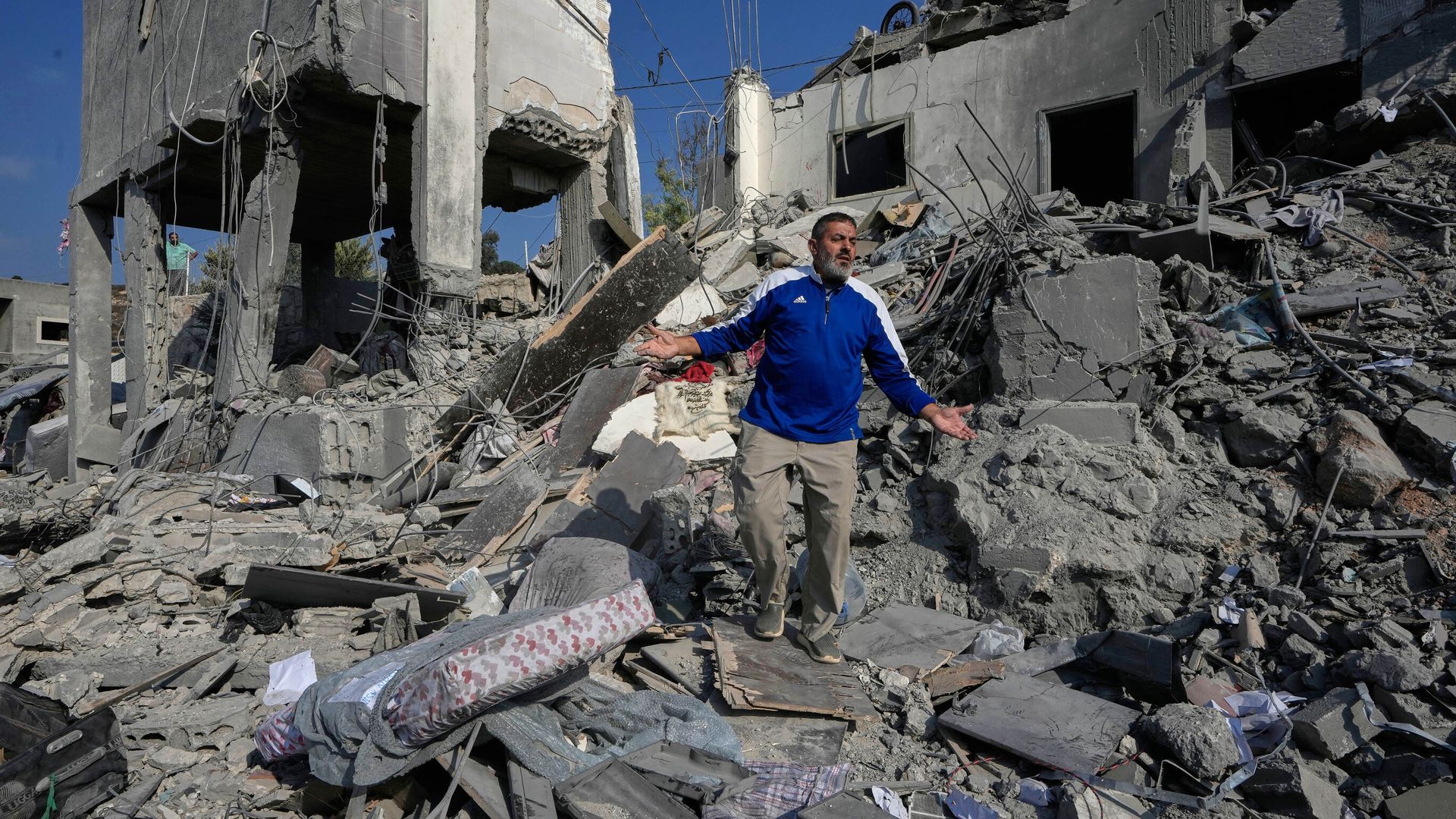
The numbers tell a grim story. Lebanon's Health Ministry reported that an early morning strike on a home in the village of Ansar wiped out seven members of a single family, leaving three children dead and two others wounded. Shortly after, another strike hit the village of Deir al-Zahrani, killing four more people and injuring 17 others.
Heavy bombardments also slammed into the strategic Ali Taher ridge, which overlooks Nabatiyeh. The Israel Defense Forces stated the raids were direct retaliation for a roadside attack involving an explosive drone that seriously wounded three Israeli soldiers. According to the military, the targets included Hezbollah infrastructure and Ali Samir Al-Haj Hassan, a commander in the elite Radwan Force.
Israel claimed that civilian casualties occurred because Hezbollah intentionally embedded military assets within residential compounds.
The Political Fallout and Dead Ends
Lebanese leadership isn't buying the justification. Prime Minister Nawaf Salam condemned the operation publicly, noting that the victims were innocent civilians rather than military targets. He stated clearly that the security of citizens is non-negotiable. President Joseph Aoun went a step further, calling the escalation a direct threat to American-backed diplomatic efforts.
Meanwhile, Hezbollah used the bloodshed to attack the Lebanese government's ongoing diplomatic track. The group argued that pursuing U.S.-sponsored direct talks with Israel is pointless while military operations continue unchecked. They promised a direct response to the latest violence, putting the June framework agreement—which relies on Hezbollah's eventual disarmament and an Israeli troop withdrawal—on life support.
Thousands remain displaced across southern Lebanon, and entire communities lie in ruins from the conflict that erupted back in March. As diplomatic channels stumble in Rome and Washington, the reality on the ground remains brutal. Families in the south are bracing for the next wave, knowing that this ceasefire was always built on shifting sand.