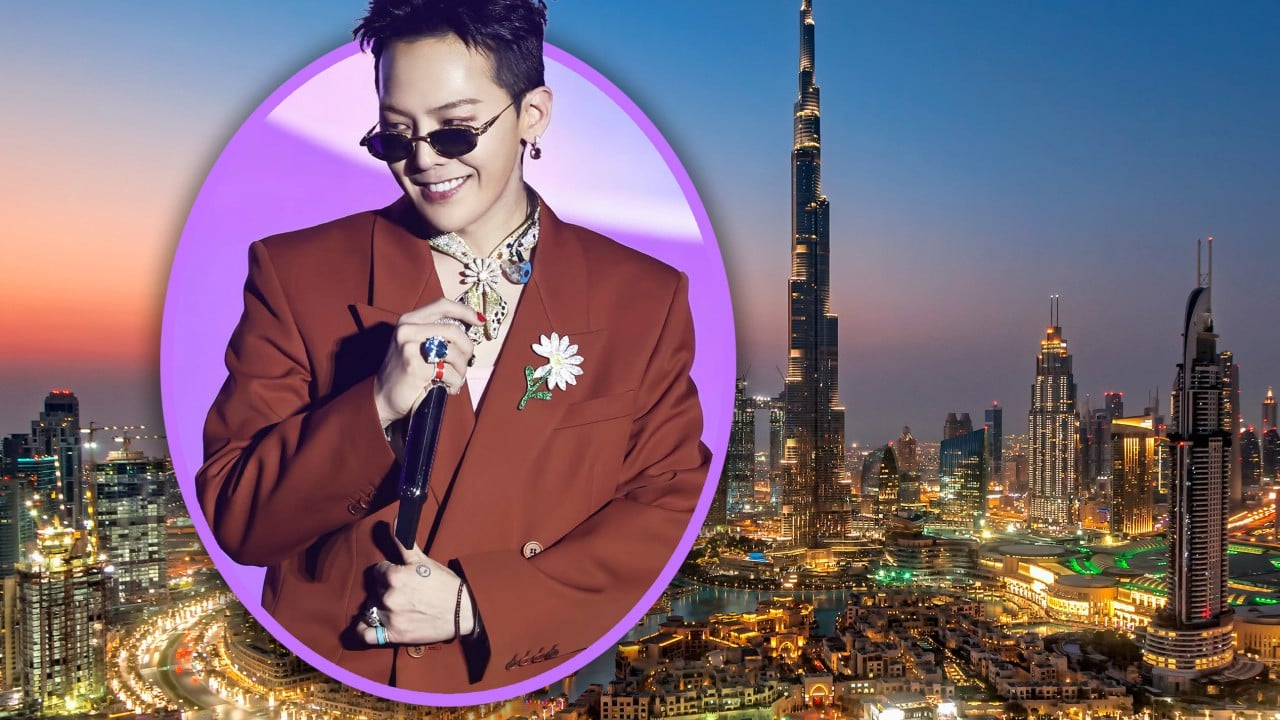
G-Dragon just found out that a simple Instagram post can trigger a geopolitical firestorm. The K-pop icon, known for pushing boundaries in fashion and music, hit a wall he couldn't dance around when he used the term "Lunar New Year" instead of "Chinese New Year." It sounds like a minor linguistic choice to most of the world. In the high-stakes world of East Asian cultural pride, it’s a lightning rod.
This isn't just about a pop star being "canceled" by a few angry commenters. It’s a window into the deepening friction between South Korean soft power and Chinese nationalism. If you think this is just celebrity drama, you’re missing the bigger picture of how digital borders are being drawn in 2026.
The Post That Set Weibo on Fire
When G-Dragon shared his holiday wishes, he likely expected the usual flood of heart emojis. Instead, a vocal segment of his Chinese fanbase—one of the largest and most lucrative in the world—reacted with swift hostility. The core of the argument is the origin of the holiday. Many Chinese netizens argue that since the calendar and the traditions originated in China, the only "correct" name is Chinese New Year.
Using "Lunar New Year" is seen by these critics as a deliberate attempt to "de-sinicize" the festival. They view it as a way for other cultures, specifically Korea and Vietnam, to claim the heritage as their own. For G-Dragon, a man who has spent years building a massive brand in China, this wasn't just a PR hiccup. It was a direct hit to his marketability in a region that doesn't forgive cultural slights easily.
Why the Terminology Matters to Fans
Words have weight. For many in China, the term "Chinese New Year" is a point of historical fact and national pride. They see the shift toward "Lunar New Year" in global media as a Western-led push to dilute Chinese cultural influence. When a Korean superstar adopts this globalized phrasing, it feels like a betrayal to fans who have supported him through thick and thin.
On the flip side, the South Korean perspective is equally firm. Koreans have celebrated Seollal for centuries. It has its own specific food, like tteokguk, and its own unique rituals. To a Korean, calling it "Chinese New Year" feels like an erasure of their own distinct identity. They aren't "copying" China; they’re celebrating a holiday that has evolved within their own borders for generations. G-Dragon, being Korean, was naturally using the terminology common in his home country and throughout the international community.
The Cost of the Cultural Clash
The backlash against G-Dragon follows a predictable, yet exhausting, pattern. First come the mass comments on social media. Then comes the "unfollowing" campaigns. In extreme cases, it leads to brands quietly scrubbing the artist from their regional marketing materials. We've seen this before with other idols like IVE's Wonyoung or NewJeans, who faced similar heat for everything from hairpins to traditional paper-making videos.
The financial stakes are massive. China remains a juggernaut for K-pop physical album sales and luxury brand endorsements. When an artist like G-Dragon—who is basically the human embodiment of Chanel in Asia—gets caught in this crossfire, it makes labels nervous. They start second-guessing every caption. They hire more cultural consultants. But honestly, you can't please everyone when the two sides are operating on completely different historical narratives.
A Pattern of Sensitivity
This isn't an isolated incident. The tension has been building for years over several cultural markers:
- Kimchi vs. Pao Cai: A heated debate over the origins of fermented vegetables.
- Hanbok vs. Hanfu: Arguments over whether traditional Korean dress was "stolen" from Chinese Ming Dynasty clothing.
- The Dragon Dance: Recent disputes over which country truly "owns" the performance.
The Impossible Balancing Act for K-pop Idols
K-pop labels are essentially running diplomatic missions. They want the global reach of the West, which prefers inclusive terms like "Lunar New Year," but they can't afford to alienate the Chinese market. It’s a trap. If G-Dragon had said "Chinese New Year," he would have been dragged by the Korean public for being a "traitor" to his own culture.
There’s no middle ground that satisfies both hyper-nationalist factions. Most stars now try to stay silent or use vague emojis, but even silence is sometimes interpreted as a stance. G-Dragon chose the global standard, and he paid the price in engagement metrics and brand sentiment in mainland China.
Breaking Down the "Lunar" vs "Chinese" Logic
Let's get technical for a second. The holiday is based on a lunisolar calendar. While the calendar system largely originated in ancient China, its adoption across Asia led to distinct regional variations.
- Vietnam celebrates Tet, which sometimes falls on a different day than the Chinese or Korean versions due to time zone differences.
- Tibet has Losar, which follows its own specific calculations.
- South Korea focuses on ancestral rites and specific traditional games.
Calling it "Lunar New Year" is scientifically more accurate for a global audience because it encompasses all these variations. However, logic rarely wins an emotional argument about identity. To the angry commenter on Weibo, your "scientific accuracy" looks like a political maneuver.
How to Navigate This as a Fan or Brand
If you're managing a brand or you're a public figure with an Asian following, you need to realize that there is no "safe" word. You have to pick your audience. If your primary growth is in China, stick to "Chinese New Year." If you're a global brand looking for inclusivity, "Lunar New Year" is the standard, but prepare for the comments section to become a war zone.
The most successful approach lately has been hyper-localization. Post one graphic for the Weibo audience using their preferred terms and a different one for Instagram or Twitter. It's extra work, but it prevents the kind of meltdown G-Dragon just experienced.
Don't expect this to blow over soon. As South Korea's cultural exports continue to dominate the world, the friction with China's desire for cultural recognition will only intensify. G-Dragon’s "mistake" wasn't a lack of knowledge; it was an accidental choice in a game where the rules change depending on which border you're standing behind.
The best thing you can do is understand the context. Don't just jump on a hate train because a celebrity used a word you don't like. Recognize that these "clashes" are often fueled by algorithms that thrive on outrage rather than a genuine desire to protect heritage.
Stop looking for a "right" answer in a cultural dispute where both sides feel they are the victims of erasure. Instead, look at the specific traditions being celebrated. If you're in Seoul, eat the rice cake soup. If you're in Beijing, enjoy the dumplings. Respect the local context and realize that a pop star's Instagram caption isn't an act of war—it's just a guy trying to wish his fans a happy holiday.