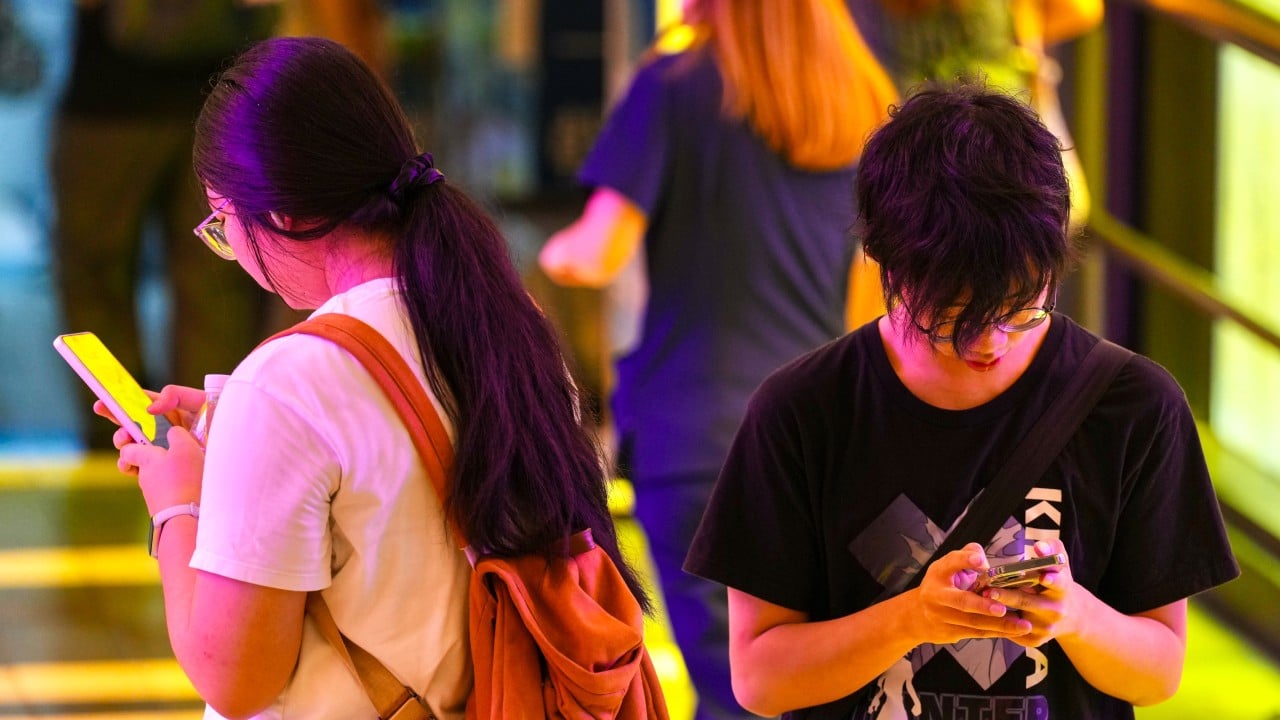
Scroll. Double tap. Scroll again. It feels like connection, but it's actually making you miserable.
A recent survey in Hong Kong turned up a startling reality about how young people navigate their digital lives. The poll revealed that while Gen Z spends hours glued to their screens, they vastly underestimate how much social media feeds their loneliness. They think they are staying plugged into their friend groups. In reality, the data shows a direct link between soaring screen times and rising feelings of isolation among Hong Kong youth.
This isn't just a local issue. It's a global blind spot. Young people use these apps to escape boredom and find community, yet they end up feeling more left out than before they logged on.
The Disconnect Between Screen Time and Real Connection
Most people assume that being constantly reachable means you are connected. That's a trap. The Hong Kong poll highlighted that young respondents view social media as a tool against isolation. They use it to keep up with peers, watch stories, and message friends. But the psychological toll tells a different story.
When you spend hours watching a curated highlight reel of everyone else's best moments, your brain naturally starts to compare. You see a group of classmates out at a cafe in Mong Kok or Causeway Bay, and suddenly you feel excluded. Even if you weren't invited for a completely innocent reason, the algorithm amplifies that sting. You're physically alone in your room, looking at a screen that tells you everyone else is together.
The problem is passive consumption. There is a huge difference between actively messaging a friend to hang out and mindlessly watching two hundred Instagram stories. Passive scrolling creates an illusion of intimacy. You feel like you know what's happening in people's lives, so you don't bother to reach out and actually talk to them. This creates a strange paradox where you know everything about your acquaintances but share deep connections with almost no one.
Why the Algorithm Wants You Isolated
Social media platforms aren't designed to make you happy. They are designed to keep your eyeballs on the screen for as long as possible. Loneliness and boredom are highly profitable emotions for tech companies. When you feel lonely, you reach for your phone. If the app cured your loneliness instantly, you'd put the phone down and go outside.
Instead, the feeds are engineered to give you short bursts of dopamine that leave you wanting more. You get a notification, you check it, you feel a temporary high, and then it fades. This keeps you trapped in a loop of seeking validation through likes, views, and comments.
Young people in Hong Kong face intense academic and social pressures. The temptation to retreat into a digital world where you can control your image is massive. It's easier to post a perfect photo than it is to have an awkward, vulnerable conversation face-to-face. But that avoidance heavily drives long-term anxiety and isolation.
Moving Beyond the Screen
Fixing this doesn't mean throwing your smartphone into the harbor. That's unrealistic. It means changing how you interact with the digital world.
First, track your habits honestly. Look at your screen time settings right now. Most people are shocked by the actual number of hours they waste every day. If you're spending four hours a day on social apps, you're giving up a massive chunk of your life to an algorithm.
Second, audit your feed. If following certain influencers or even local classmates makes you feel insecure, inadequate, or lonely, hit the unfollow or mute button. Your feed should not be a source of anxiety.
Third, shift from passive scrolling to active communication. Instead of watching someone's life from afar, send a direct message and suggest meeting up for a coffee or a walk. Use the technology to facilitate real-world interactions rather than replacing them.
Set strict boundaries for your device. Keep your phone out of your bedroom at night. The habit of scrolling late into the evening ruins your sleep quality, which directly worsens your mood and emotional resilience the next day. Start reclaiming your time by dedicating at least one hour every evening to a hobby, a book, or a real conversation that doesn't involve a screen. You'll quickly notice a shift in how connected you actually feel.