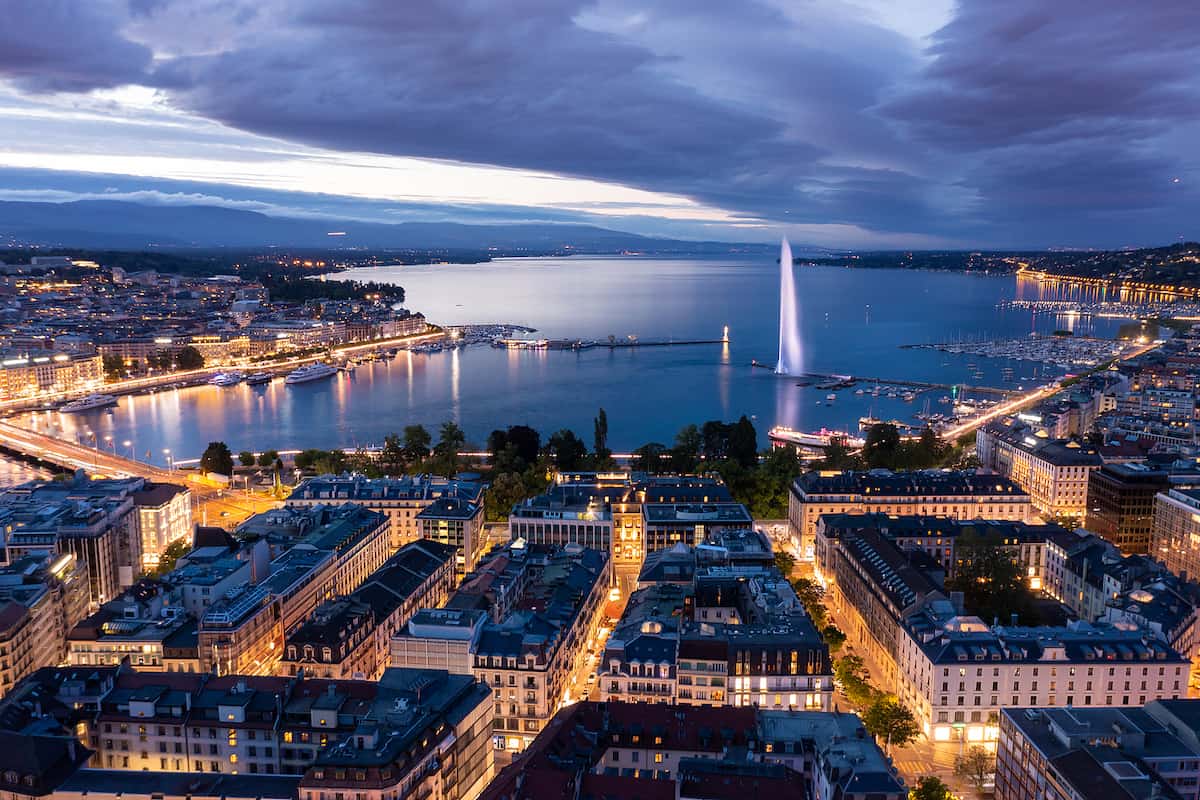
The Sindh Conference 2026 in Geneva put rights, ecological collapse, and political self-determination squarely in front of global diplomats, yet gathering in Switzerland does not automatically translate grievances into enforceable policy. A conference in Geneva functions as an advocacy amplifier and a reputational wedge rather than a legislative chamber. Organizers bring Sindhi activists, legal observers, and diaspora voices within sight of United Nations institutions to press for international scrutiny over human rights, riverine degradation, and autonomy. What happens next depends on whether states with actual leverage care enough to absorb the diplomatic friction.
Anyone who has covered exile politics and international forums for decades knows the rhythm of these gatherings. Press releases circulate. Panels dissect abuses that local reporters have documented for years. Foreign ministry officials in nearby buildings take notes, offer polite condolences in private corridors, and return to their capitals with their bilateral priorities intact. That gap between visibility and consequence is the central tension surrounding the Sindh Conference 2026 in Geneva.
Why Geneva Keeps Attracting Contested Causes
Switzerland has built an entire diplomatic ecosystem around neutrality, multilateral headquarters, and civil society access. When a marginalized or politically restive region lacks domestic channels for redress, Geneva becomes the logical staging ground.
The mechanics are straightforward. Proximity to the Office of the United Nations High Commissioner for Human Rights and various special rapporteurs lowers the friction for raising alarms. Even when a gathering is convened outside formal UN machinery, its location signals seriousness to international journalists and sympathetic lawmakers.
Yet location is a double-edged sword. Hosting an event near international institutions creates an optical impression of official standing that organizers rarely possess. Opponents seize on that ambiguity to dismiss the proceedings as theater. Supporters treat the venue itself as proof of legitimacy. Neither reading captures the whole picture, because Geneva provides a megaphone, not a gavel.
Rights Claims in a Crowded Multilateral Room
Human rights arguments around Sindh typically center on enforced disappearances, restrictions on political organizing, press intimidation, and uneven legal protection for religious minorities. These are serious allegations with deep roots in Pakistan's civil-military power balance and center-province friction.
Bringing those complaints to Geneva forces a collision between universal human rights norms and state sovereignty. Diplomats in Geneva spend their careers balancing condemnation against engagement. A Western delegation might welcome testimony on civic space while hesitating to sponsor a resolution that alienates Islamabad during periods of regional security negotiation.
Meanwhile, domestic actors in Pakistan view diaspora-led advocacy in Europe with intense suspicion. Accusations of foreign interference travel fast in South Asian politics. When a gathering in Geneva frames its demands around self-determination, it hands state security apparatuses a ready-made rationale to crack down harder on local critics who have zero connection to the Swiss venue. That blowback is rarely modeled in conference brochures.
The Riverine and Ecological Core
Strip away the diplomatic posturing and you hit something far harder to spin: water and land. Sindh sits at the tail end of the Indus Basin irrigation system. When upstream water allocation shifts, infrastructure silts up, or climate volatility spikes, Sindhi agriculture and coastal livelihoods absorb the shock first.
Ecological stress is not an abstract talking point in the province. Salinization creeps inland as freshwater flows dwindle in the Indus Delta. Fishing communities watch catches shrink while commercial and state-backed land projects redraw access to coastal and riverine commons.
Framing environmental damage alongside rights and self-determination makes strategic sense for organizers. Climate and water security command broader international attention than provincial autonomy arguments alone. Still, turning ecological grievances into international action runs into brutal technical realities. Transboundary and inter-provincial water governance involves engineers, hydrological data, financial institutions, and sovereign treaties. Speeches in Geneva cannot recalibrate barrages or reverse deltaic erosion.
Self-Determination and the Sovereignty Wall
The hardest question raised by the Sindh Conference 2026 in Geneva is self-determination. In international law and state practice, self-determination is one of the most contested concepts on the board.
For advocates, self-determination means genuine control over provincial resources, political representation, and freedom from centralized coercion. For some factions, it stretches toward full independence. For nearly every UN member state, any hint of secession triggers immediate defensive reflexes. Governments sitting in Geneva have their own restive regions, border disputes, and constitutional sensitivities.
Because of that structural wall, international bodies almost never endorse separatist claims. Even when outside powers want to pressure Islamabad over governance or rights, they usually push for constitutional implementation, provincial autonomy within existing borders, or judicial reform rather than redrawing maps.
Diplomatic forums reward demands that give powerful states an easy exit ramp. Maximalist framing often produces minimal policy movement.
That dynamic creates a painful bind for organizers. Softening demands to attract mainstream diplomats risks alienating the most committed grassroots base. Holding firm on self-determination keeps moral clarity intact while shrinking the coalition willing to act.
What Actually Moves the Needle After the Panels End
If the goal is more than catharsis, post-conference work has to look less like a summit and more like forensic auditing. International attention fades within days unless it feeds concrete mechanisms.
Consider a hypothetical example to see how this works in practice. Suppose a coalition documenting land dispossession and water diversion pairs its Geneva testimonies with satellite imagery, property registries, and supply-chain tracing tied to export commodities. Instead of asking a foreign government to pass a sweeping political declaration, researchers hand a European regulator or development lender specific compliance questions about procurement or project financing. Suddenly the issue stops being a distant political dispute and becomes a legal and financial liability.
That approach has limits, too. Multinational corporations find ways around scrutiny. Development banks cite sovereign guarantees and macro-stability concerns. Still, targeted documentation is vastly harder to ignore than generalized appeals for solidarity.
Overlooked Factors in the Diaspora Equation
Discussions around overseas conferences often overlook the internal politics of the diaspora itself. Exile communities are not monoliths. Generational divides separate older activists shaped by specific historical grievances from younger professionals focused on climate justice, tech censorship, or urban poverty.
Funding and organizational capacity also shape what gets highlighted. Well-connected groups can secure venues, legal translators, and media briefings in Europe. Smaller communities inside Sindh dealing with immediate policing, crop failure, or displacement may have no bandwidth for international networking.
There is also the question of accountability. When activists speak from abroad, they enjoy physical safety that local journalists, lawyers, and community leaders do not. Responsible advocacy requires transparent sourcing, verification standards, and a clear-eyed accounting of who bears the risk when names appear in international reports.
Weighing the Real Impact
So what did the Sindh Conference 2026 in Geneva actually accomplish? It kept a complex set of grievances visible in a city where global norms are negotiated. It gave Sindhi voices an unfiltered platform on rights, environmental strain, and political autonomy.
It did not force a constitutional settlement. It did not restore freshwater flows to the delta. It did not compel hesitant governments to sacrifice strategic interests.
In international affairs, visibility is raw material, not finished product. Until advocates pair Geneva's spotlight with verifiable evidence, disciplined coalitions, and pressure points that major powers cannot easily brush aside, the hardest battles will remain right where they started, inside Sindh itself.


