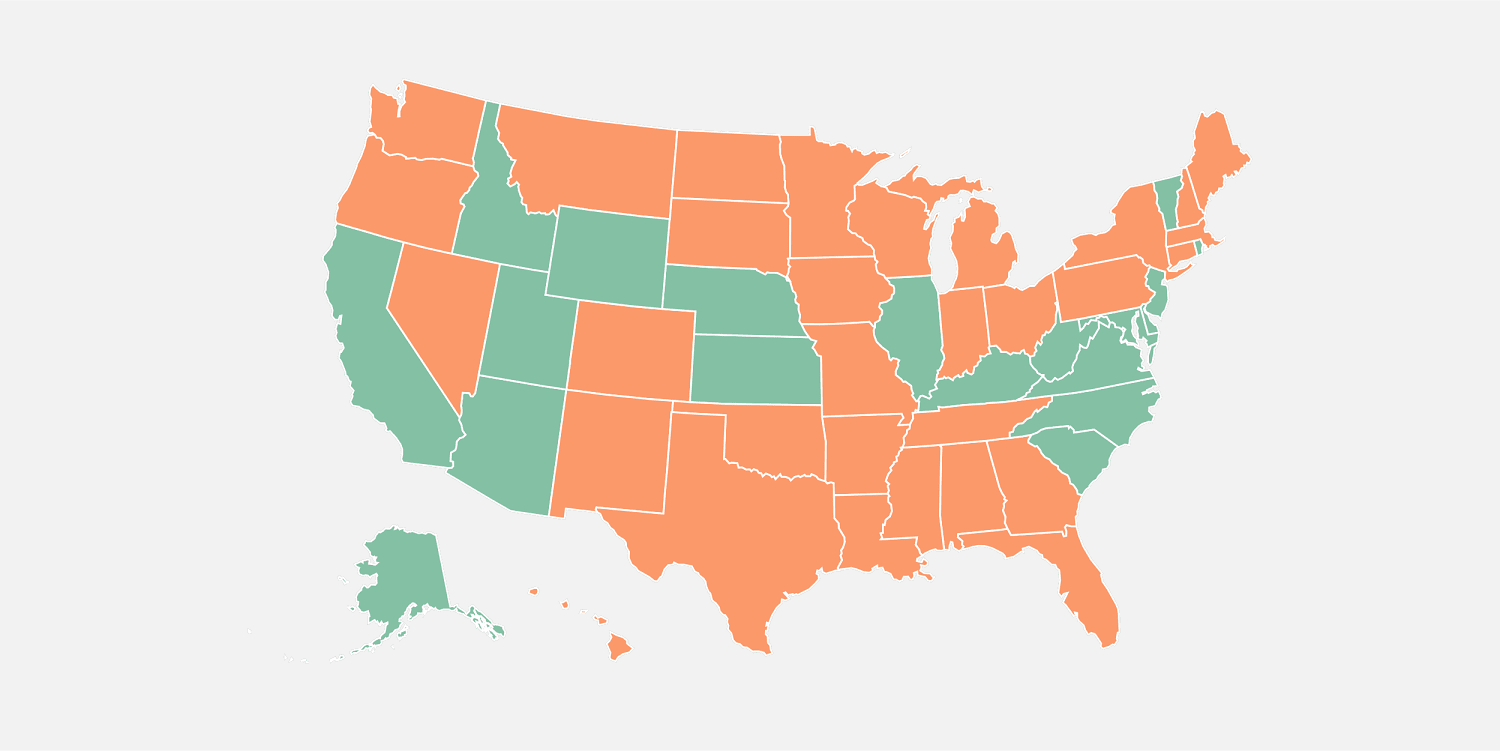
Jurisdiction is the single strongest non-evidentiary determinant of whether a reported sexual assault moves toward indictment, plea negotiation, or trial. Two reports with comparable witness availability, physical evidence, and suspect identification can follow completely divergent paths simply because one falls inside a prosecutor’s office that treats forensic backlogs and witness attrition as routine operational constraints while another treats them as solvable workflow failures. Understanding that divergence requires moving past surface-level comparisons of raw conviction rates and mapping the institutional funnel—from intake triage to charging thresholds, evidentiary standards, and resource allocation—where geography becomes destiny.
In public commentary, geographic disparities in prosecuting sexual assault suspects are routinely attributed to broad ideological labels, such as "tough-on-crime" versus "progressive" prosecutors. That framing collapses distinct operational mechanisms into a single political axis. In practice, geographic variance emerges from four structural layers: intake and screening architecture, forensic and investigative capacity, charging and plea economics, and institutional feedback loops. Mapping how these layers interact explains why adjacent counties—or even neighboring municipal police jurisdictions within the same state—can produce radically different outcomes on identical factual patterns. Read more on a related subject: this related article.
The Funnel Architecture of Geographic Variance
A criminal case is not a single decision point; it is a multi-stage filtering pipeline. When analysts compare final conviction percentages across jurisdictions without controlling for earlier attrition, they conflate downstream court outcomes with upstream screening choices. A district attorney’s office that declines 70 percent of referred sexual assault investigations at intake may report a high conviction rate among the remaining 30 percent, whereas an office that files charges on borderline corroboration may record a lower conviction rate while still securing accountability in cases that would otherwise evaporate.
To evaluate where geography matters, analysts must separate four sequential stages: Additional reporting by NBC News explores related perspectives on the subject.
- Report-to-referral conversion: How initial patrol responses, victim advocates, and special victims units classify, document, and package allegations before formal prosecutorial review.
- Charging threshold calibration: The internal evidentiary bar required to file felony counts, ranging from probable cause to a stricter internal standard of "reasonable likelihood of conviction at trial."
- Pre-trial survival: How cases withstand motions to suppress, digital discovery demands, forensic delays, and witness fatigue.
- Disposition structure: The split between dismissals, charge reductions, negotiated pleas, and contested trials.
Each stage introduces geographic friction. Small or rural jurisdictions often face acute specialization deficits: a single detective or assistant prosecutor may rotate across homicides, property crimes, and sexual assaults, compressing the time available for trauma-informed interviews or complex digital extraction. Large metropolitan offices, conversely, often build specialized units yet encounter severe caseload density and cross-agency handoff friction between municipal police departments, crime laboratories, and county prosecutors.
Intake Triage and the Corroboration Trap
The earliest and least visible source of geographic divergence sits at intake. Unlike homicides, where a physical body establishes corpus delicti independent of witness testimony, sexual assault investigations frequently hinge on interpersonal context, delayed reporting, and partial corroboration. How a jurisdiction treats the absence of immediate physical injury or third-party eyewitnesses shapes every downstream metric.
Consider the operational difference between two intake models. In a friction-tolerant model, prosecutors review incomplete files early, issue targeted investigative directives (such as subpoenaing cell-site records, platform logs, or third-party text messages), and keep the file active while evidence matures. In a friction-averse model, intake reviewers treat an incomplete initial packet as a finished evidentiary record and issue a declination memo immediately. Over time, friction-averse screening trains investigators to anticipate rejection, narrowing which reports ever reach a charging desk.
This dynamic is a known mechanism in criminal justice administration, though exact cross-jurisdictional attrition rates remain unevenly measured because many police agencies and prosecutor offices do not publish linked, case-level tracking across intake declinations. Where partial datasets exist—such as state audits of untested sexual assault kits or specialized unit evaluations—the dominant pattern is clear: attrition clusters heavily between initial report and formal charging, not merely inside the courtroom.
Resource Asymmetries and Evidentiary Bottlenecks
Even when prosecutors share identical statutory definitions of consent, force, and incapacity, local infrastructure dictates what evidence can actually be assembled within statutory speedy-trial and witness-availability windows. Geography governs access to three scarce inputs: forensic laboratory throughput, digital forensics capacity, and specialized victim support.
Forensic bottlenecks illustrate how technical delays convert into legal outcomes. DNA analysis, toxicology screens, and mobile device extractions operate on queue capacities determined by state or regional laboratory budgets. When a jurisdiction faces a multi-month or multi-year turnaround on serology or digital extraction, defense counsel gains structural leverage. Witnesses relocate, memories degrade, and complainants—often navigating housing, employment, or family pressures—may request dismissal long before a laboratory report arrives. A prosecutor operating in a jurisdiction with rapid forensic turnaround can corroborate timelines while witnesses remain engaged; a prosecutor in a delayed jurisdiction must either file prematurely on thin corroboration or watch the file stall.
Digital evidence compounds this divide. Modern sexual assault litigation routinely turns on metadata, ephemeral messaging, location history, and social media archives. Extracting and authenticating those records requires specialized technicians and clear preservation workflows. Jurisdictions that lack dedicated digital examiners often rely on slower regional task forces, creating months of dead time during which third-party platforms purge retention logs.
Charging Economics and Strategic Incentives
Prosecutors are constrained optimizers operating under finite attorney hours, courtroom availability, and political accountability. Even without explicit directives, office-level incentive structures push charging decisions in distinct directions depending on local court congestion and institutional norms.
One key mechanism is trial-capacity rationing. Most prosecutor offices resolve the vast majority of felony cases through negotiated dispositions because trying even a moderate share of open files would exhaust judicial dockets and attorney staff. In jurisdictions with severe trial bottlenecks, prosecutors face strong pressure to screen out cases expected to be high-effort, contested trials unless physical or digital corroboration is overwhelming. Conversely, jurisdictions that invest in dedicated trial teams and vertical prosecution—where the same prosecutor handles a case from intake through sentencing—reduce handoff losses and can sustain harder cases through pre-trial litigation.
Vertical prosecution is a concrete structural variable. In horizontal models, one attorney reviews intake, another argues motions, and a third tries the case. Every handoff requires re-reading files, re-establishing rapport with the complainant, and re-evaluating evidentiary risk. In complex sexual assault prosecutions, where credibility attacks and narrative coherence are central, horizontal handoffs act as an internal tax on case survival.
Separating Known Facts from Working Hypotheses
Rigorous analysis requires distinguishing established institutional mechanics from hypotheses that remain contested or under-measured:
- Established mechanism: Jurisdictional structure—including unit specialization, vertical prosecution, forensic turnaround times, and internal charging standards—directly shapes case attrition and disposition patterns.
- Established mechanism: Raw conviction rates alone are a distorted measure of prosecutorial performance because they omit pre-charging declinations and post-report withdrawals.
- Educated hypothesis: Standardized early investigative checklists and joint police-prosecutor case reviews reduce geographic variance more reliably than broad policy pledges, because they target workflow handoffs rather than abstract intent.
- Educated hypothesis: Where digital evidence preservation is automated at intake, downstream dismissal rates drop even without changes to statutory thresholds, because corroborating timelines survives witness attrition.
Limitations and Countervailing Constraints
Institutional reform cannot eliminate geographic variance entirely. Even a well-resourced prosecutor’s office operates inside a broader legal ecosystem shaped by state penal codes, evidentiary rulings, jury pool demographics, and defense bar capacity. A statute that defines incapacitation narrowly or imposes strict corroboration hurdles restricts charging options regardless of how efficiently a prosecutor’s office runs.
Moreover, aggressive filing policies carry their own operational risks. Bringing weak cases to trial consumes scarce courtroom bandwidth, exposes complainants to prolonged adversarial scrutiny, and can depress local jury confidence if acquittals mount. High-performing jurisdictions do not maximize filings indiscriminately; they narrow the gap between provable cases and investigated cases by fixing upstream evidence collection.
The Operational Play for Reform
To reduce arbitrary geographic disparity in sexual assault prosecution, oversight bodies and chief prosecutors should stop benchmarking offices on raw conviction percentages and instead audit the report-to-charge conversion funnel stratified by evidentiary completeness. Require linked case identifiers from initial patrol or advocacy intake through final disposition, pairing each case record with timestamps for forensic requests, digital extractions, and attorney handoffs. Once bottlenecks are visible by stage, reallocate funding and vertical-prosecution staffing directly to the highest-attrition handoff—typically initial evidence preservation and pre-indictment investigation—where workflow engineering yields the largest gains per dollar spent.