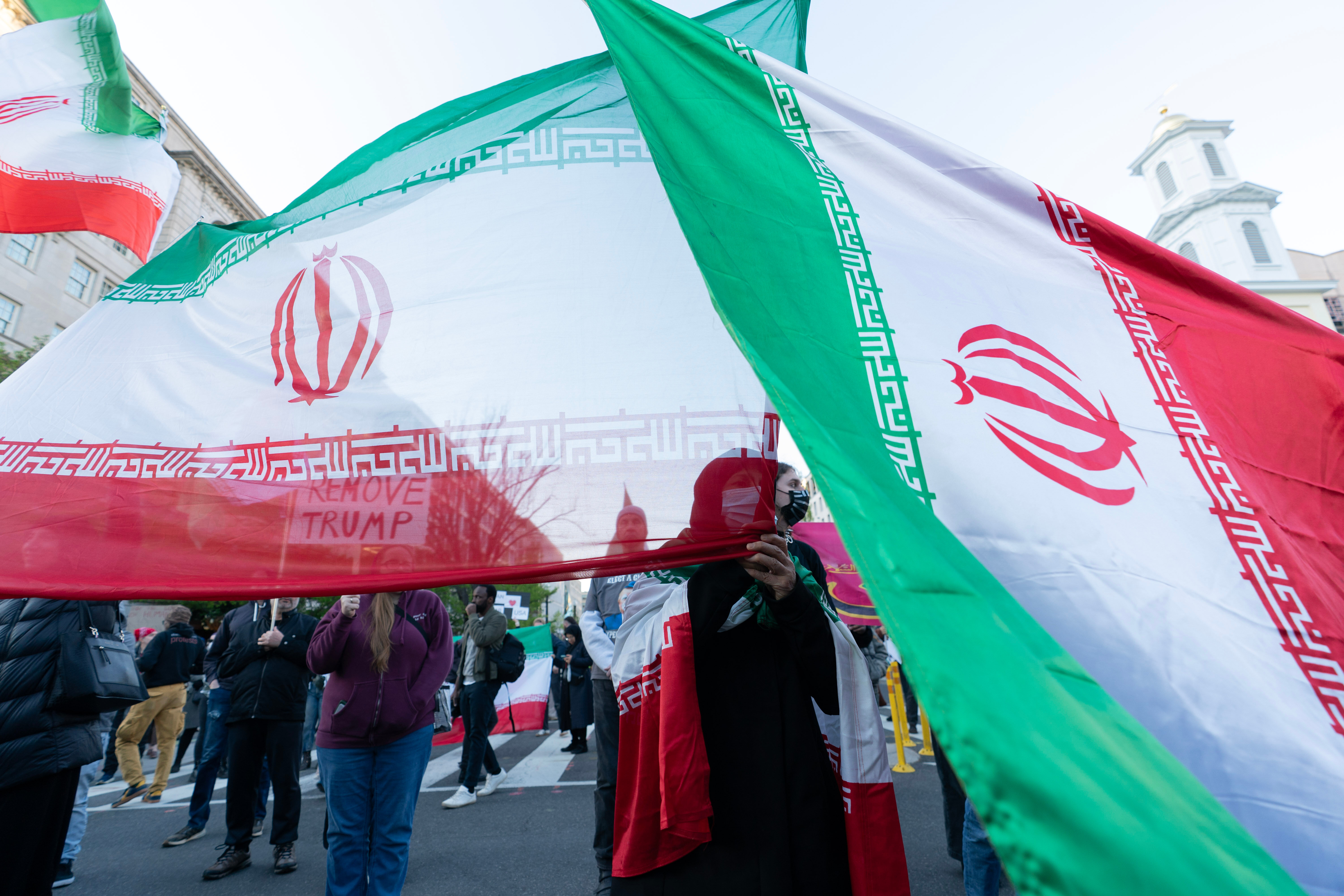
The announcement of a ceasefire between regional powers and non-state actors in the Middle East does not represent a return to equilibrium for the Iranian-Canadian diaspora; rather, it triggers a phase of acute secondary risk. While market indices and headlines interpret a cessation of hostilities as a reduction in systemic danger, the specific demographic of Iranian-Canadians experiences this shift through three distinct vectors of instability: the Transnational Repression Loop, the Policy Lag Deficit, and the Identity Polarization Variable. For this community, a ceasefire is not a resolution but a realignment of the threats they face from both state actors abroad and social fragmentation at home.
The Transnational Repression Loop
The immediate aftermath of a ceasefire often sees an intensification of domestic consolidation by the Iranian state. Historically, when external military pressure subsides, the security apparatus of the Islamic Republic pivots its resources toward internal dissent and the monitoring of "external internalites"—citizens living abroad who maintain influence over domestic narratives.
- Surveillance Persistence: De-escalation on the border does not translate to de-escalation in cyberspace. Canadian intelligence frameworks often overlook the fact that a "peaceful" Middle East allows the IRGC (Islamic Revolutionary Guard Corps) to refocus its cyber-intelligence assets on monitoring diaspora activities in cities like Toronto and Vancouver.
- The Hostage Diplomacy Hedge: In the absence of active kinetic warfare, the state relies more heavily on the detention of dual nationals as a tool for diplomatic leverage. The fear within the Iranian-Canadian community stems from the empirical reality that travel during "quiet" periods remains statistically dangerous for those with active political profiles or significant assets.
- Proxy Intimidation: Ceasefires often leave proxy networks intact but under-resourced. These entities may pivot toward clandestine operations, including the harassment of outspoken critics in Western democracies, to signal continued relevance to their patrons.
The Policy Lag Deficit
Canadian foreign policy operates on a reactive timeline that frequently fails to account for the granular safety of its residents during transitional geopolitical phases. The fear expressed by the diaspora is grounded in the lack of a standardized protection framework for citizens targeted by foreign interference.
The mechanism of this failure is found in the attribution gap. When a ceasefire occurs, the Canadian government’s focus shifts toward humanitarian aid or re-establishing trade corridors. During this pivot, the specific security concerns of Iranian-Canadians—such as the freezing of bank accounts without due process or the infiltration of community organizations—are deprioritized. This creates a vacuum where the community is left to self-regulate its safety, leading to a state of permanent hyper-vigilance.
The Cost Function of Identity Polarization
The ceasefire announcement acts as a catalyst for internal community fracturing. Within the Iranian-Canadian diaspora, there is no monolithic response to Middle Eastern stability. The divergence in perspectives can be categorized by their specific "utility functions":
The Normalization Faction
This group views the ceasefire as a prerequisite for family reunification and the potential easing of economic sanctions. Their primary concern is the transactional cost of distance. For them, any cessation of violence reduces the friction of travel and the risk of their relatives being caught in crossfire. However, this stance often invites accusations of complicity from more radicalized segments of the community, creating a social tax on moderate views.
The Regime Change Faction
For those committed to the total overthrow of the current Iranian government, a ceasefire is viewed as a strategic setback. They argue that stability provides the state with the breathing room necessary to repair its economy and suppress the "Woman, Life, Freedom" movement. The cessation of external pressure is seen as an abandonment of the Iranian people's democratic aspirations by the West.
The Security-First Faction
This group is less concerned with the politics of Tehran and more concerned with the imported conflict in Canadian streets. They fear that a ceasefire is merely a "tactical pause" that allows extremist elements to reorganize. Their uncertainty is fueled by the lack of clear communication from the RCMP and CSIS regarding the domestic implications of the overseas truce.
The Mechanism of Uncertainty: Information Asymmetry
The psychological distress reported by Iranian-Canadians is a direct result of information asymmetry. The Iranian government utilizes state-controlled media to project an image of victory and total control, while Western media often simplifies the conflict into binary outcomes. Iranian-Canadians, who consume both sources, find themselves in a state of cognitive dissonance.
The data suggests that during periods of high geopolitical tension, the diaspora relies on informal encrypted channels (Telegram, WhatsApp) for safety information. These channels are prone to misinformation and fear-mongering, which amplifies the perceived risk. Because the Canadian government does not provide a specialized, Persian-language counter-interference portal, the community is susceptible to "narrative warfare" that persists long after the missiles stop flying.
The Economic Displacement Factor
Uncertainty is a silent killer of economic participation. Within the Iranian-Canadian business community, a ceasefire creates a "wait-and-see" environment that stalls investment.
- Capital Flight Stagnation: Many Iranian-Canadians are involved in transferring legitimate assets out of Iran. A ceasefire might suggest a stabilization of the Rial, but the underlying threat of sudden asset seizure or new rounds of sanctions keeps this capital frozen.
- Professional Risk Aversion: Iranian-Canadian professionals in tech, academia, and engineering face increased scrutiny during "thaws" in relations, as the risk of intellectual property theft or dual-use technology transfers becomes a primary concern for Canadian security agencies.
Strategic Re-Orientation for Diaspora Security
To mitigate the fear and uncertainty inherent in these geopolitical shifts, the Canadian security and social infrastructure must move beyond generic multiculturalism and adopt a Targeted Protection Model.
Federal agencies must establish a permanent "Geopolitical Rapid Response Unit" specifically tasked with communicating domestic safety protocols to affected diasporas during international transitions. This unit should prioritize the de-linking of community members from the actions of their home state, ensuring that a ceasefire does not lead to a surge in domestic hate crimes or an increase in unverified security flagging at borders.
The burden of safety cannot rest solely on the community's shoulders. The transition from war to a "cold peace" requires a recalibration of Canada’s internal defense against foreign interference. This involves the mandatory registration of foreign agents and the creation of a secure, anonymous reporting mechanism for transnational harassment. Without these structural safeguards, the "fear and uncertainty" expressed by Iranian-Canadians will remain a permanent feature of the Canadian social fabric, regardless of the signatures on a ceasefire agreement.
The strategic play for the Canadian government is to recognize that the "ceasefire" is a domestic event as much as a foreign one. Integration of diaspora security into the national defense strategy is the only way to transform this period of uncertainty into one of genuine stability. Failure to do so ensures that the Iranian-Canadian community remains a collateral casualty of a conflict that they have physically escaped but remain geopolitically tethered to.