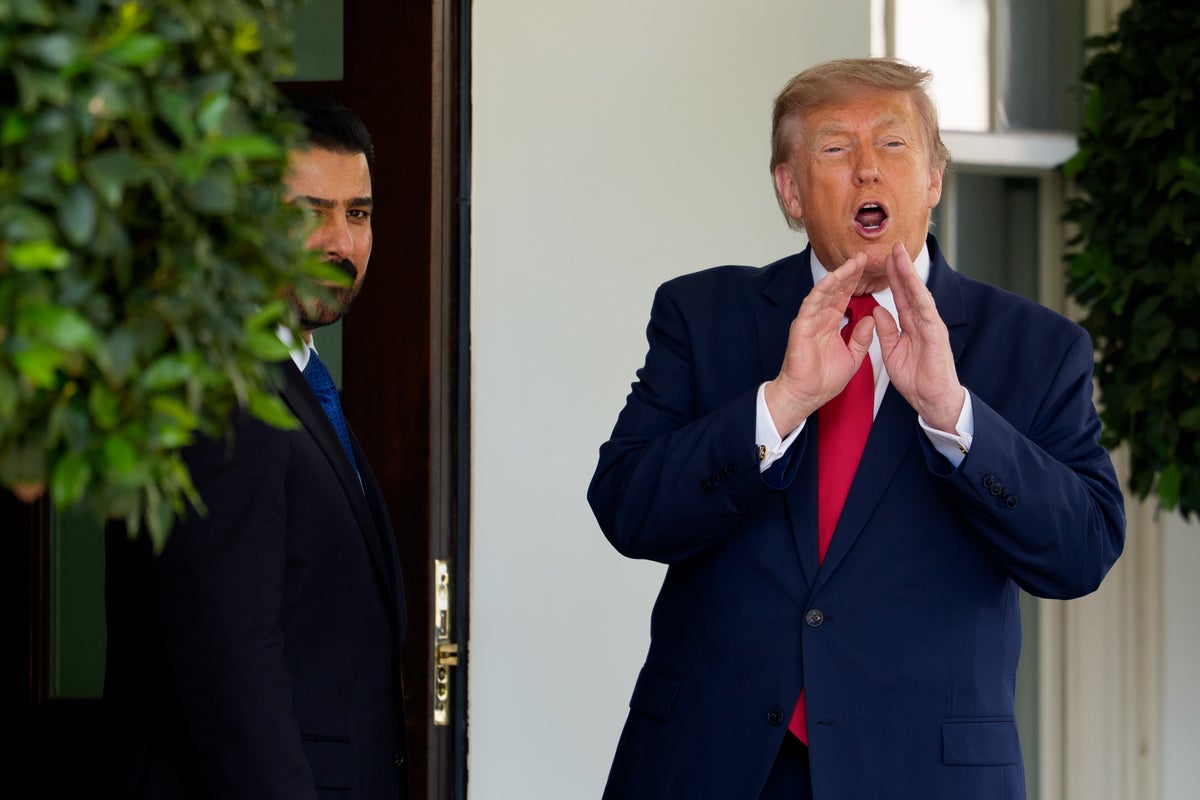
The upcoming primetime address scheduled for Thursday at 9:00 PM Eastern Time represents a calculated deployment of executive communication designed to alter the regulatory framework of American elections. By signaling "really big news" regarding election integrity from the Oval Office, the administration is moving beyond rhetorical positioning. Instead, it is laying the groundwork for a structural intervention in state-level electoral administration by linking national security intelligence with voting infrastructure vulnerabilities.
To understand the strategic intent behind this address, one must look past the immediate political theater and analyze the underlying operational levers being pulled by the executive branch. This analysis deconstructs the administration's multi-pronged strategy, mapping the administrative, legal, and technological mechanisms designed to assert federal oversight over a historically decentralized voting system.
The Three Pillars of Executive Intervention
The administration's strategy to reshape election protocols does not rely on a single legislative path. It operates through three distinct, reinforcing pillars designed to maximize leverage over state election administrators.
                    ┌────────────────────────────────────────┐
                    │  Executive Intervention Strategy       │
                    └───────────────────┬────────────────────┘
                                        │
         ┌──────────────────────────────┼──────────────────────────────┐
         ▼                              ▼                              ▼
┌──────────────────┐          ┌──────────────────┐          ┌──────────────────┐
│ Administrative   │          │ Legal Threat     │          │ Legislative      │
│ Leverage (FEMA)  │          │ Engine (DOJ)     │          │ Pressure (SAVE)  │
└──────────────────┘          └──────────────────┘          └──────────────────┘
1. Administrative Leverage via Federal Grant Allocation
The executive branch is utilizing the financial dependency of local governments to compel policy compliance. The Federal Emergency Management Agency (FEMA) recently restructured its anti-terrorism grant program—which distributes over $1 billion to state, local, and tribal governments.
Under the new guidelines, 20% of these critical security funds are withheld unless states meet specific federal election requirements. These requirements include:
- Mandatory citizenship verification for all registered voters and election workers.
- Submitting transition plans to phase out electronic voting systems utilizing bar codes or QR codes in favor of hand-marked paper ballots.
- Demonstrating standardized post-election audit procedures.
This mechanism bypasses the need for congressional approval by utilizing existing executive authority over federal grant distribution, forcing resource-constrained jurisdictions to choose between security funding and their existing electoral infrastructure.
2. The Legal Threat Engine
Simultaneously, the Department of Justice (DOJ) Civil Rights Division has issued formal warnings to election officials across all 50 states and the District of Columbia. These communications explicitly state that administrators face federal criminal prosecution if they knowingly permit noncitizens to remain on voter rolls or cast ballots.
By framing administrative maintenance errors as potential federal crimes, the executive branch shifts the risk profile for local officials. The strategic objective is to induce aggressive, preventative voter roll purges by local administrators seeking to mitigate personal legal liability.
3. Legislative Pressure and the SAFE Act
The primetime address serves as a public bully pulpit to build momentum for legislative priorities, specifically the Safeguard American Voter Eligibility (SAVE) Act. The administration previously demonstrated its willingness to use legislative leverage by withholding its signature from a bipartisan housing bill to pressure Congress into passing voting restrictions. The Thursday address is timed to convert public concern over declassified vulnerabilities into direct pressure on lawmakers to codify these restrictions into federal law.
Declassification as a Strategic Wedge
Reports indicate that the core of the Thursday address will rely on the presentation of recently declassified intelligence files compiled by a White House task force. These documents reportedly detail cyber vulnerabilities and potential foreign intrusion vectors within electronic voting machines.
From an analytical perspective, introducing intelligence-grade data serves a specific structural purpose:
$$\text{Information Asymmetry} + \text{National Security Framing} = \text{Executive Primacy}$$
By framing election administration through the lens of national security and foreign cyber threats, the administration attempts to shift the issue from a domestic political debate—where states possess constitutional primacy under Article I, Section 4—to a national defense issue, where the executive branch maintains broad constitutional authority.
The strategic risk of this approach lies in the timeline. Implementing sweeping changes to voting machines, auditing procedures, and voter verification protocols mere months before a national election introduces significant operational instability. Many states require legislative action to alter these processes, creating a structural bottleneck that cannot be resolved before November.
The Operational Friction Point: State vs. Federal Power
The primary obstacle to this federal push is the decentralized nature of the U.S. election system, which is managed independently by thousands of local jurisdictions. This creates a highly fragmented operational environment.
| Federal Objective | State Operational Reality | Systemic Friction Point |
|---|---|---|
| Rapid Voter Roll Purges | Statutory deadlines and voter protection laws limit immediate removals. | High risk of litigation and administrative gridlock. |
| Eliminating QR/Bar Code Voting | Existing long-term procurement contracts with voting machine vendors. | Capital shortfalls and procurement delays. |
| Mandatory Citizenship Audits | Lack of integrated federal-state databases for real-time verification. | High rate of false positives, leading to disenfranchisement claims. |
This operational friction ensures that the administration's directives will face immediate legal challenges from state secretaries of state and civil rights organizations. Consequently, the short-term result of the Thursday address will not be a uniform overhaul of voting systems, but rather a highly polarized, asymmetric regulatory environment where some states rapidly comply to secure federal funding while others challenge the mandates in federal court.
The strategic play for observers is to monitor the specific intelligence files slated for declassification on Thursday. If the documents reveal verifiable, exploitable vulnerabilities in specific voting machine models, the administration will have successfully shifted the burden of proof onto local election officials, forcing them to either defend their technology partners or capitulate to federal administrative demands.

