A gunshot rings out in a dark Polk County pasture, and a rural community is instantly torn apart. A police officer tracking a missing child shoots and kills a bottle-raised pet donkey named HeeHaw, setting off a viral firestorm and heavy public scrutiny. It is a bizarre and tragic collision of emergency response and farm life. People want answers. How did a search operation for a missing juvenile end with a dead pet in its own enclosure?
The incident happened around 12:45 AM when law enforcement officers from Cedartown and Polk County entered private property at Elsberry Riding and Farm. They were using bloodhounds to track a missing 12-year-old girl. According to the incident report filed by Cedartown Police Officer Trenton Garner, the tracking team walked right into a pasture gate.
What happened next is a matter of intense dispute between official paperwork and the animal's grieving owners.
What the Police Report Claims
Officer Garner documented a tense scene in the official police paperwork. As the officers and K-9 handlers moved down the fence line, local livestock spooked and scattered. That is when the small donkey appeared on the side of a hill.
According to Garner's narrative, the animal began charging at the search party. A K-9 handler pulled a Taser-7 and tried to arc it to deter the animal. When the electrical display failed to stop the approach, Garner drew his department-issued Glock 17 and fired a single round. The shot struck the donkey, which turned away and died shortly after.
The report frames the shooting as a split-second decision driven by necessity. Officers argued they needed to protect the K-9 unit and themselves while working an urgent nighttime missing persons case. Thankfully, the missing child was found safe shortly after along Grady Road. But the collateral damage of the search left a family devastated.
The Owner Perspective and Public Backlash
Hannah Israel, the owner of Elsberry Riding and Farm, tells a radically different story. She took to social media to express her grief, stating that officers entered the pasture without permission or warning in the middle of the night.
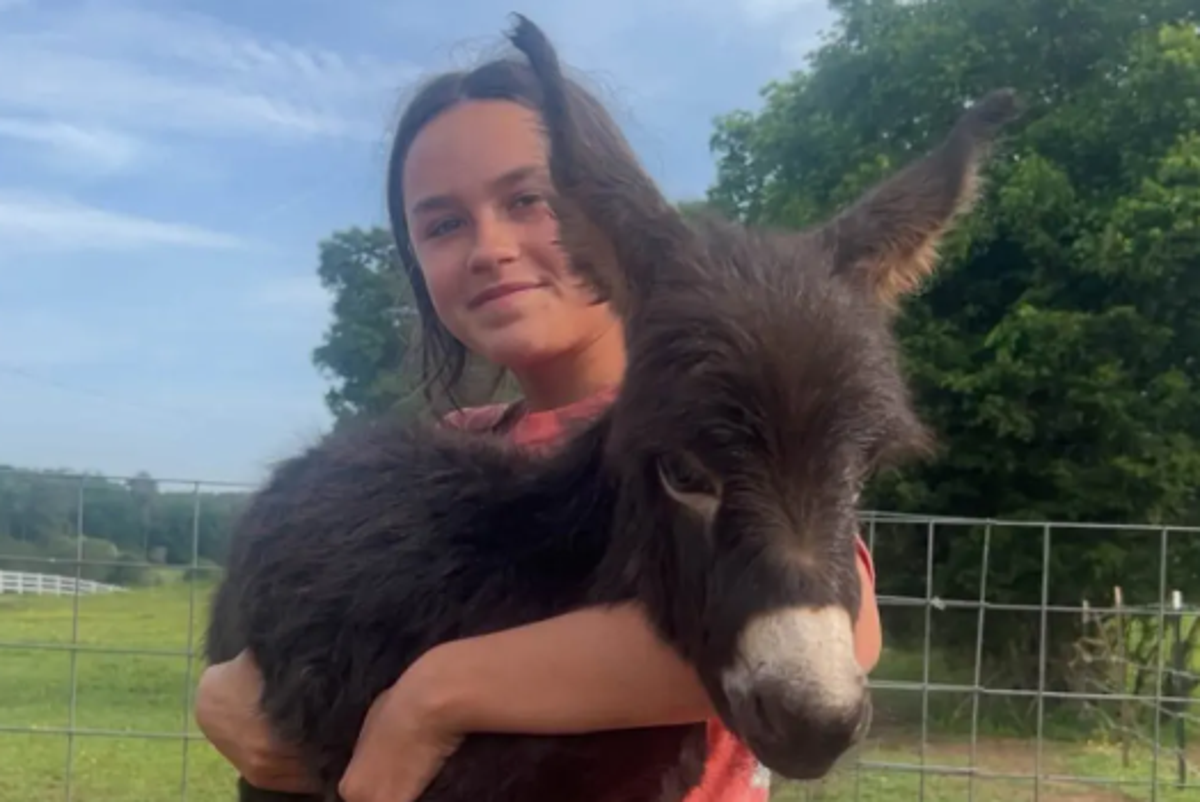
Israel noted that HeeHaw was bottle-fed from infancy, raised around humans, and accustomed to interacting with visitors during farm petting zoos. To the family, the donkey was not livestock. He was a household pet.
"He was my son," Israel wrote on Facebook, pointing out that the animal was simply doing what equines naturally do when strangers enter their territory in the dark. Donkeys bray, investigate, and stand their ground. They are natural guard animals. Seeing an unfamiliar dog and armed humans in his home pasture at midnight prompted a normal reaction, not a vicious attack.
Public reaction was swift and unforgiving. Social media platforms lit up with the hashtag #JusticeForHeeHaw, and a fundraising campaign quickly surpassed tens of thousands of dollars to cover legal fees. Critics questioned why trained professionals could not manage a small equid without lethal force, especially when less-lethal options like tasers were already on hand.
Accountability and the Investigation
Local authorities moved quickly to distance themselves from the fallout while launching internal reviews. The Polk County Sheriff's Office clarified that its own deputies were not involved in the shooting, pointing squarely at the separate Cedartown Police Department.
Cedartown Police Chief Jamie Newsome placed the unnamed officer on paid administrative leave while command staff initiated a formal review. Recognizing the potential conflict of interest in an internal city police probe, the department handed the case over to the Georgia Department of Agriculture Law Enforcement Division.
This shift to an outside agricultural agency brings a specialized lens to the case. Investigators must determine whether the officer's fear was objectively reasonable under the circumstances or if protocol was broken.
Broader Lessons on Rural Policing and Livestock
Incidents involving police shooting family pets spark intense national debates with regularity. When those incidents cross into rural areas with livestock, the cultural clash between suburban law enforcement tactics and farm realities becomes glaringly obvious.
If you own animals or property in rural areas, this case highlights uncomfortable truths about emergency response rights:
- Law enforcement officers often possess legal leeway to enter private land during active emergencies, such as searching for a missing child.
- Standard police training typically focuses on domestic dogs and aggressive urban wildlife, leaving many officers unequipped to read the body language of farm animals like horses, cattle, or donkeys.
- Protective instincts in animals are frequently misinterpreted by outsiders as unprovoked aggression.
The Georgia Department of Agriculture investigation continues to unpack the timeline, body-cam footage, and drone perspectives. Until findings are formally released, the community remains divided. One side sees an officer making a pressured choice in the dark. The other sees an avoidable tragedy that destroyed a family pet.