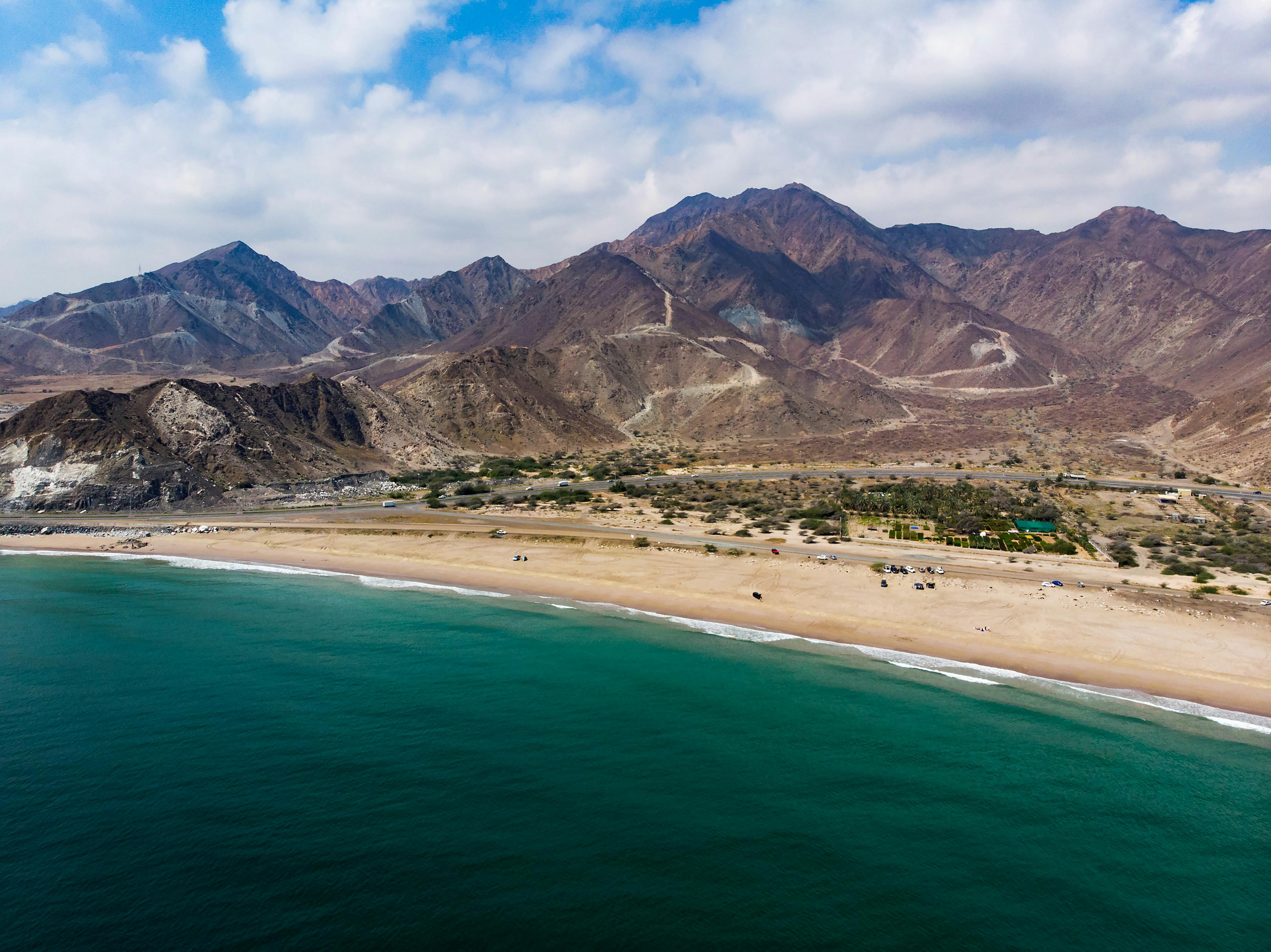
The strategic positioning of the Port of Fujairah is not merely a matter of maritime convenience; it is a calculated hedge against the logistical vulnerabilities of the Strait of Hormuz. As the United Arab Emirates’ only multi-purpose port on the Eastern Seaboard, Fujairah functions as a critical release valve for global energy markets. The recent inspection by President Sheikh Mohamed bin Zayed Al Nahyan signals a transition from historical capacity expansion toward a new phase of integrated maritime intelligence and high-velocity throughput. This evolution is defined by three distinct structural pillars: geographic bypass capabilities, bunkering dominance, and the integration of the Etihad Rail network into the port’s terminal logic.
The Geographic Bypass Function and Risk Mitigation
The primary utility of Fujairah lies in its location outside the Persian Gulf. By operating on the Gulf of Oman, the port provides a direct outlet to the Indian Ocean, effectively decoupling the UAE’s export capacity from the geopolitical volatility of the Strait of Hormuz.
This bypass is codified by the Habshan–Fujairah oil pipeline. This 370-kilometer infrastructure asset allows for the transport of approximately 1.5 million barrels of crude oil per day (bpd) directly to the Fujairah export terminals. The efficiency of this system is measured by the reduction in transit time and insurance premiums for VLCCs (Very Large Crude Carriers), which can avoid the congested and higher-risk waters of the inner Gulf. The port's ability to handle these vessels at deep-water berths ensures that the UAE maintains its "Swing Producer" status even during periods of regional maritime friction.
The Bunkering Equilibrium and Market Share Dynamics
Fujairah is currently the third-largest bunkering hub in the world, trailing only Singapore and Rotterdam. Its competitive advantage is maintained through a complex cost-benefit function involving fuel availability, storage capacity, and regulatory compliance.
The port’s "Bunkering Ecosystem" relies on:
- Physical Supply Density: The presence of multiple refineries and blending facilities allows for a diverse range of marine fuels, including Very Low Sulfur Fuel Oil (VLSFO) and High Sulfur Fuel Oil (HSFO), meeting international IMO 2020 standards.
- Storage Elasticity: With over 10 million cubic meters of liquid bulk storage, the port can absorb market shocks. This capacity allows traders to arbitrage price differences between the Mediterranean, Arabian Gulf, and Asian markets.
- Turnaround Velocity: Success in bunkering is not just about fuel volume but the speed of service. The integration of digital port management systems reduces the "idle time" for vessels, which is a significant operational expense for shipping companies.
The recent presidential visit underscored the necessity of upgrading these "soft" infrastructure components—automation and data-driven logistics—to ensure that Fujairah remains cost-competitive against emerging hubs in Africa and South Asia.
Multi-Modal Integration and the Etihad Rail Variable
The most significant shift in Fujairah’s strategic utility is its connection to the Etihad Rail network. This is no longer a port operating in isolation; it is becoming a node in a continental logistics machine. The rail link transforms the port from a liquid bulk specialist into a diversified container and dry bulk gateway.
The Connectivity Matrix
The introduction of rail freight creates a direct link between the industrial hubs of Abu Dhabi and Dubai and the Eastern Seaboard. The logic follows a clear causal chain:
- Reduced Land Transit Friction: Moving 1,000 tons of freight via rail is approximately 75% more carbon-efficient and significantly cheaper per ton-mile than road transport.
- Buffer Capacity: Rail connectivity allows the port to function as an "inland port" feeder system, where customs clearance and cargo consolidation happen at inland hubs, reducing congestion at the primary berths.
- Industrial Synergy: The proximity to the Fujairah Free Zone allows for high-speed export of processed materials, such as aluminum and petrochemicals, directly to global markets without entering the Persian Gulf.
Technical Limitations and Operational Constraints
While the growth trajectory is aggressive, Fujairah faces specific physical and economic bottlenecks. The bathymetry of the area, while naturally deep, requires constant maintenance dredging to accommodate the next generation of Ultra Large Container Vessels (ULCVs). Furthermore, the reliance on liquid bulk creates a sensitivity to global energy transitions.
To maintain its relevance, the port must pivot toward "Green Bunkering"—the provision of ammonia, methanol, and hydrogen-based fuels. The presidential inspection likely touched upon the transition of storage tanks from traditional hydrocarbons to these low-carbon alternatives. If Fujairah fails to lead in the green fuel transition, it risks becoming a stranded asset as global shipping decarbonizes.
The Strategic Play: Capital Allocation and Digital Sovereignty
The immediate strategic priority for the Fujairah Port Authority and the UAE leadership involves the "Digital Twin" initiative. By creating a real-time digital simulation of port operations, the authority can predict bottlenecks before they manifest physically. This involves:
- Predictive Maintenance: Using sensor data on berthing equipment to prevent mechanical downtime.
- Automated Scheduling: Optimizing the arrival sequence of ships to minimize the "Waiting on Weather" or "Waiting on Berth" metrics.
- Security Protocol Optimization: Utilizing AI-driven surveillance to monitor the 70-kilometer anchorage area, ensuring the safety of the hundreds of ships waiting for orders.
The development of the Fujairah Port is not a localized infrastructure project. It is the construction of a permanent, high-capacity link between the European-Mediterranean trade corridor and the Indo-Pacific markets. The presence of the UAE's highest leadership confirms that Fujairah is the designated "Insurance Policy" for the nation’s economic security. Investors and logistics firms should expect a continued concentration of capital in automated terminal operations and green fuel infrastructure, positioning the port as the indispensable nexus of the new maritime Silk Road.
The focus now shifts from physical expansion to the optimization of the existing footprint through high-fidelity data integration and multi-modal logistics synchronization.