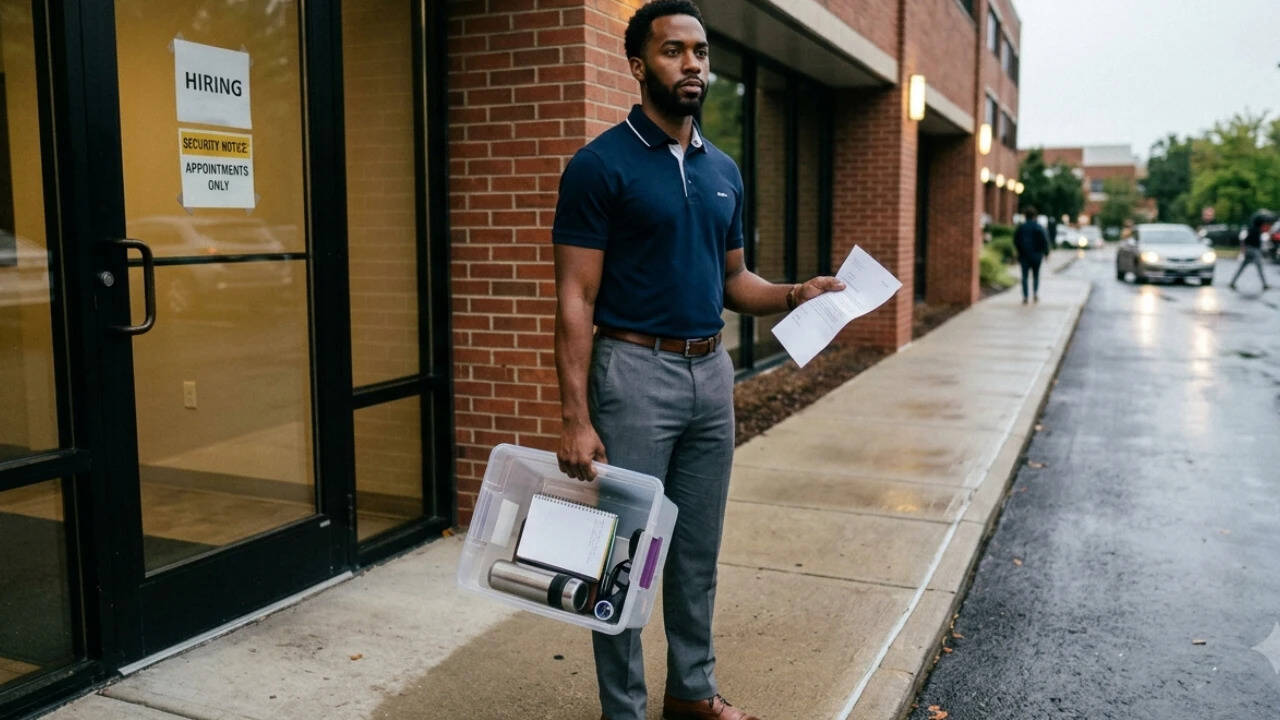
Nine months of staring at rejection screens, tailoring resumes until midnight, and enduring endless rounds of corporate interviews can break anyone's spirit. Imagine finally hearing those magic words. You got the job. You show up on day one, full of cautious optimism, ready to rebuild your routine and your bank account. Two and a half hours later, security or a manager is walking you back out the front door because of a vague hygiene complaint.
It sounds like a dark comedy sketch written by someone who has never set foot in a modern office. Yet, stories like this surface more often than people realize, highlighting a glaring dysfunction in how modern workplaces evaluate, onboard, and treat human beings. When an employer cuts ties within minutes of a new hire stepping onto the floor, the failure doesn't lie with the worker. It points directly to a broken vetting process and an alarming lack of basic empathy in corporate culture.
The Brutal Whiplash of Long Unemployment
Job hunting in the current economy is an exhausting psychological endurance test. Spending nine months out of work means burning through savings, cutting out basic pleasures, and fighting a daily battle against self-doubt. Every application feels like shouting into a canyon. When an offer finally lands, relief floods the system.
That emotional high makes a rapid-fire firing even more damaging. Being shown the door in less time than it takes to watch a feature film isn't just humiliating. It shatters whatever confidence the candidate managed to salvage during months of rejection. Employers frequently forget that behind every resume sits a living person whose livelihood and mental stability hang in the balance. Treating a new hire with such utter disregard reveals a profound disconnect between corporate management and basic human decency.
When Interview Processes Fail Everyone
How does a company hire someone, bring them through orientation, set up their desk, and fire them before lunch? The answer is simple. The hiring process is fundamentally broken.
Traditional recruitment relies heavily on polished facades, scripted interview answers, and surface-level impressions. Companies spend weeks grilling candidates on behavioral hypotheticals while completely ignoring practical realities. Meanwhile, desperate job seekers learn to mask their stress and tell interviewers exactly what they want to hear.
When both sides operate out of anxiety and artificial expectations, reality hits hard on day one. If a company genuinely had concerns about presentation or personal grooming, those standards should have been communicated clearly during the interview phase, or better yet, handled with a private, respectful conversation rather than an immediate termination. Resorting to instant firing over subjective issues like hygiene on day one suggests management panicked, lacked leadership skills, or simply regretted their hiring choice and looked for an excuse to back out.
The Power Imbalance in Modern Workplaces
There is a glaring power asymmetry in the employer-employee relationship. Organizations hold all the cards. They can ghost applicants for months, rescind offers at the eleventh hour, and subject workers to invasive monitoring. On the flip side, employees are expected to show absolute gratitude and flawless compliance from the very first second.
When a company pulls the plug after two hours, they demonstrate that they view workers as disposable commodities rather than team members. There's no grace period for nervousness, no allowance for someone adjusting to a new environment, and zero willingness to communicate constructively. If a minor issue arises, the immediate default is eradication rather than correction. This zero-tolerance approach creates toxic environments where workers constantly walk on eggshells, terrified that a minor misstep will cost them their rent money.
Protecting Yourself in a Volatile Job Market
Navigating today's employment landscape requires a healthy dose of skepticism. The interview process is a two-way street, even if employers try to make you feel like you should beg for scraps.
Pay attention to red flags during your interviews. If the hiring manager seems rushed, disorganized, or overly aggressive about minor details, take note. A chaotic interview process almost always translates to a chaotic workplace culture once you get inside the building.
When you land a new role after a long drought, keep your guard up just a little bit longer. Do not immediately cancel all your pending applications or assume your financial security is set in stone. Continue to network casually and keep your options open until you have successfully navigated the first few weeks and confirmed that the company is actually a stable, rational place to work.
What Real Leadership Looks Like
Leadership isn't about wielding power to discard people the moment something feels slightly off. Real leaders invest in their people. They offer clear feedback, maintain open communication lines, and understand that onboarding is a transition period, not a military tribunal.
If an organization wants loyal, dedicated workers, they have to model that loyalty and dedication from day one. Firing someone within hours over subjective grievances without offering a chance to address the issue isn't efficient management. It is lazy, cowardly leadership that prioritizes corporate comfort over human dignity.
The job market is already brutal enough without companies treating new hires like interchangeable parts on an assembly line. Until employers remember that people have lives, bills, and feelings attached to their employment status, stories like this will continue to expose the worst parts of corporate culture. Stand your ground, trust your instincts, and remember that a company quick to throw you away on day one probably saved you from a miserable experience down the line.