The coffee in the glass cup was stone cold. It had been since ten in the morning, back when the first triple-digit drop hit the tape like a hammer blow to drywall.
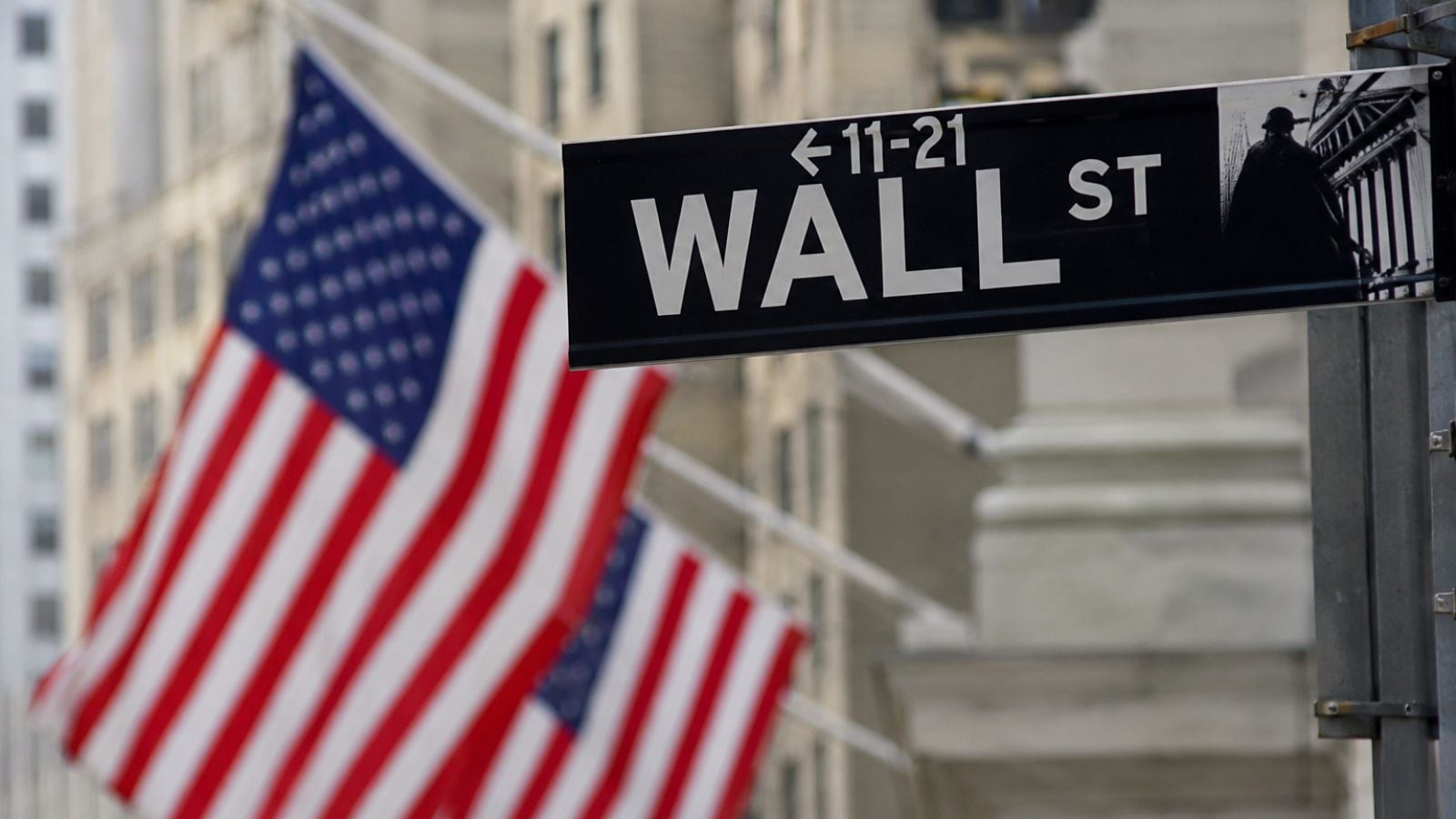
Marcus stared at the terminal. Red. Everything was bleeding red. On the screen, the Dow Jones Industrial Average was shedding three hundred points in a chaotic descent, dragging the collective anxiety of millions down into a subterranean trench. But numbers on a glowing monitor rarely capture the texture of fear. Fear smells like burnt espresso and sounds like the frantic clicking of mechanical keyboards in a room where nobody dares to breathe too loudly.
Outside the window, a gray Tuesday afternoon pressed against the glass of the lower Manhattan skyscraper. Inside, the invisible machinery of modern life was grinding to a halt over a single, volatile commodity: oil.
Crude was surging. Futures contracts spiked with the aggressive ferocity of a cornered animal, fueled by whispers of supply chokes and sudden geopolitical friction halfway across the globe. To the algorithms trading at the speed of light, it was a math equation. To Marcus, who had lived through the brutal market contractions of two decades, it was a slow-motion car crash. He knew what happened next. The oil shock rippled outward, touching the gas pump, the grocery aisle, the delivery truck, and ultimately, the dinner table of a family three states away who had never heard of a futures contract in their lives.
Inflation.
The word itself sounds hollow until you watch it swallow your purchasing power whole. For months, the Federal Reserve had been whispering sweet nothings about a soft landing, a gentle glide path where the economy would cool off without breaking its legs. Wall Street had bought the story, pricing in interest rate cuts like children waiting for an indulgent uncle.
Then oil reared its head. And the fantasy dissolved.
Consider what happens when energy prices surge. Every single truck carrying milk, steel, microchips, and medicine burns more expensive diesel. Every warehouse running on electricity sees its overhead balloon. Companies do not absorb these costs out of the goodness of their corporate hearts. They pass them down, molecule by molecule, until they land squarely on the consumer.
The market sensed this before the data even hit the printers.
Trader sentiment flipped instantly from cautious optimism to outright dread. The probability of another Federal Reserve rate hike, which had drifted into the realm of a statistical impossibility just weeks prior, suddenly clawed its way back into the pricing models. Bets climbed. Traders adjusted their positions with jagged, aggressive keystrokes.
Higher rates mean tighter credit. Tighter credit means slowing growth. Slowing growth means corporate earnings start to look like an illusion built on cheap debt.
The Dow did not fall because of a spreadsheet error. It fell because human beings realized they had miscalculated the resilience of the global supply chain.
Marcus leaned back, the cheap plastic of his office chair groaning under the shift in weight. He thought of his neighbor, Sarah, who ran a small logistics business with four trucks and a dream of putting her daughter through college. Sarah did not watch the ticker. She did not know what a basis point was. But she knew that diesel prices had just jumped forty cents a gallon in forty-eight hours, and her operating margin was thinner than a sheet of onion skin.
When Wall Street sneezes, Main Street catches double pneumonia.
The disconnect between the flashing red numbers on the trading floor and the quiet desperation of a small business owner is an abyss. Economists talk about sticky inflation as if it were a polite guest who refused to leave the party. It is not polite. It is a thief in the night, stealing the value of yesterday's labor to pay for tomorrow's survival.
As the afternoon trading session drew to a close, the losses consolidated. The Dow finished deep in the red, a bruised monument to the fragility of economic sentiment. The pundits on television would spend the evening dissecting every decimal point, arguing about whether Jerome Powell would wield a hammer or a scalpel at the next central bank meeting.
They would miss the point entirely.
The real story was not written in the three hundred lost points. It was written in the sudden tightness in the chest of every person watching their retirement account shrink, wondering how many more times the invisible gears of the world could grind against them before something important finally snapped.
The screen blinked, the closing bell echoed through the digital ether, and the silence that followed was heavy with everything left unsaid.