The humidity in Kwun Tong clings to your skin like a damp wool coat. It is the kind of heat that makes time slow down, blurring the edges of the afternoon until the neon signs of Hong Kong start to bleed into the dusk. Down these narrow, industrial alleys, behind rusted corrugated shutters that have seen decades of maritime trade, things move in the dark.
For most people, the city is a symphony of motion. Trams clatter past, dim sum steam rises from bamboo baskets, and millions of lives intersect in a frantic, brilliant dance of commerce and survival. But beneath that surface beats a shadow economy.
Let us step inside a warehouse that law enforcement recently cracked open.
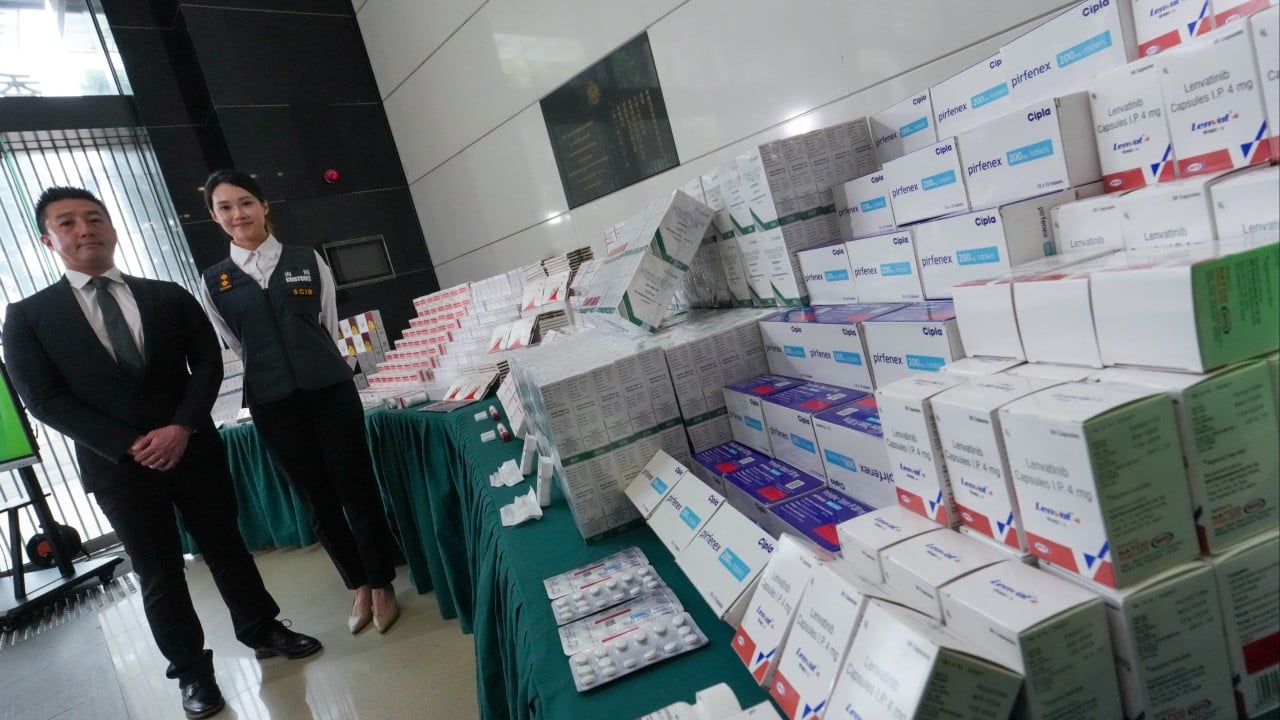
Picture it. Rows of cardboard boxes stacked to the concrete ceiling. No company logos. No manifestos. Just shrink-wrapped pallets hiding an illicit treasure worth eleven million Hong Kong dollars.
Seized by Hong Kong customs officers, this haul was not cocaine or heroin. It was something quieter. Something insidious. Millions of dollars worth of suspected unauthorized sex pills and counterfeit cancer medications.
Silence hung in that room when the officers breached the doors. Just the hum of a portable fluorescent light and the smell of stale cardboard.
To understand why those boxes matter, you have to look past the customs press release. You have to look at the human desperation that built that stockpile.
Disease does not care about regulatory frameworks. When a diagnosis lands on a kitchen table like a falling safe, fear takes over. The cost of genuine, hospital-prescribed oncology drugs can crush a family faster than the illness itself. Months of targeted therapies run into figures that empty bank accounts, sell off cars, and mortgage futures.
Into that vulnerability steps the black market.
(Note: In examining how these supply chains operate, we look at documented patterns from global illicit pharmaceutical trafficking, where counterfeiters exploit the financial anxieties of patients.)
Imagine a man sitting on the edge of his bed at three in the morning. His wife is asleep in the next room, breathing with a rattle that haunts his dreams. He is staring at a glowing laptop screen, scrolling through overseas forums, translation software open in a separate tab. He is looking for a discount. A loophole. Anything to shave a zero off the pharmacy bill.
He finds a supplier who promises the exact same compound for a fraction of the cost. No prescription required. Discreet shipping.
He pulls out his credit card.
That man is not reckless. He is terrified. And fear is the primary currency of the counterfeit trade.
The pills seized in Kwun Tong tell a dual story of modern longing. On one side are the oncology medications—fake lifelines peddled to the desperate. On the other are the enhancement pills—trafficked sex stimulants designed to prey on aging pride, insecurity, and the relentless cultural myth of eternal vitality. Both share a common origin: underground laboratories with zero quality control, where chalk dust, floor sweepings, and toxic industrial dyes are pressed into familiar shapes and stamped with counterfeit logos.
We trust the packaging because we want to trust it.
When you pop a pill, you are engaging in an act of profound faith. You trust the chemist, the inspector, the container ship, the customs officer, and the pharmacist. You trust that the white powder inside that capsule is what the label says it is, and not heavy metal or talcum powder.
When that trust is monetized by syndicates operating out of industrial basements, the stakes shift from economic crime to public health crisis.
Customs inspectors in Hong Kong know this better than anyone. They spend their days wading through a labyrinth of global shipping routes, tracking anomalies in cargo manifests, chasing paper trails that vanish into shell companies. They are the invisible firewall between a bustling metropolis and chemical anarchy.
When the raid in Kwun Tong went down, investigators did not just find inventory. They found a distribution hub designed to feed digital storefronts and social media black markets across Southeast Asia. Orders placed on encrypted messaging apps, packed in anonymous bubble mailers, dropped into local mailbox slots before dawn.
The machinery of illicit trade is shockingly ordinary. It looks like any other logistics business until you read the labels.
Consider what happens next to the seized goods. They will not be resold. They will not be quietly returned. They will be taken to industrial incinerators, fed into roaring fires that burn away the false promises and the counterfeit compounds alike, turning millions of dollars of illicit inventory into harmless ash.
Yet the warehouse will empty only to refill elsewhere. As long as there is a gap between what people need and what they can afford, the shadows will harbor new shelves.
The neon outside keeps pulsing, casting long, fractured colors across the wet pavement of Kwun Tong. Inside the storage facility, the doors are locked, sealed with official tape bearing the crest of the government. The boxes are gone. But the quiet desperation that summoned them into existence remains out there in the dark, waiting for the next screen to glow.


