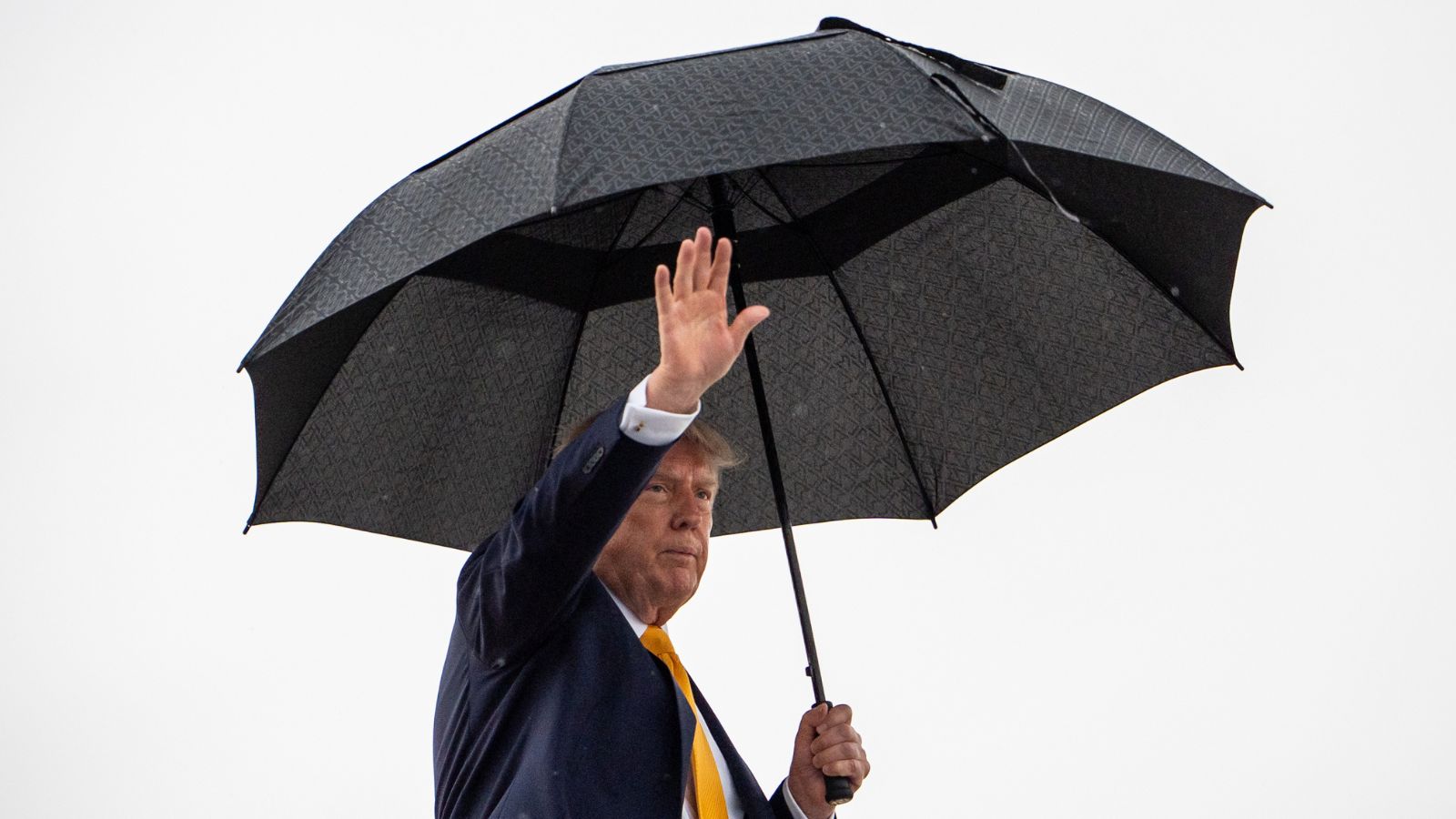
Donald Trump is sitting on roughly four hundred million dollars in unspent political cash, while the congressional Republicans who built his movement watch their own campaign accounts wither. With the midterm elections looming just two months away, nervous incumbents from swing districts in Pennsylvania, Texas, and California are learning a hard truth about modern party financing. A giant campaign war chest does not automatically translate into a lifeline for struggling backbenchers.
Federal Election Commission filings reveal that MAGA Inc., the premier super PAC aligned with the president, amassed a staggering financial reserve. It hauled in millions from corporate donors and wealthy individuals, swelling past the four hundred million mark by midyear. Yet, until very recently, less than one percent of those funds had been directed toward television advertising or coordinated digital blitzes for vulnerable House and Senate candidates.
Panic inside the party machinery is palpable. Candidates facing well-funded Democratic challengers are discovering that a presidential endorsement and a photo opportunity do not pay for media buys.
The Anatomy of a Cash Hoard
Modern campaign finance laws create strange bedfellows. Because MAGA Inc. operates as a super PAC, it cannot legally coordinate its spending directly with candidate committees or party campaign arms. It can run independent expenditures, buy ad time, and flood airwaves, but the timing and targets remain entirely at the discretion of the operation's inner circle.
That structural distance has turned into a strategic chasm. Lawmakers dining at the White House or attending late-summer Republican gatherings have traded pleasantries for pointed private lobbying. They want liquidity. They want reserves deployed immediately into toss-up districts where Democratic opponents hold clear fundraising advantages.
Trains run on coal, as seasoned operatives like to say, but campaigns run on gold. Right now, the gold is sitting in accounts controlled by people whose primary loyalty is to a personal brand rather than the institutional survival of the Republican caucus.
The reluctance to open the vault stems from a fundamental divergence in political incentives. For a congressional representative in a suburban district, survival means distancing oneself from legislative baggage while outspending the opponent on local television. For the architects of the presidential operation, capital is a tool for leverage, influence, and long-term dominance over the party apparatus itself.
The Price of Personal Loyalty
The friction points are visible across the map. In Texas, where Senate races have tightened dramatically following primary battles, local strategists warn that withholding outside money could cost the party a seat once considered safe. Similar anxiety grips North Carolina and various Rust Belt battlegrounds where inflation concerns and shifting voter sentiment threaten narrow majorities.
When pressed by anxious lawmakers, the response from the inner circle has often been a mixture of reassurance and deflection. The official line points to presidential travel schedules, massive rallies, and broad thematic messaging designed to nationalize the midterms around past administration achievements.
Rallies draw crowds. Rallies generate headlines. Rallies do not buy ad space in the Philadelphia or Phoenix media markets during the final critical weeks of a campaign.
Vulnerable incumbents are caught in a bind. If they complain publicly, they risk drawing a primary challenger or losing the crucial endorsement of the base. If they stay silent, they risk being outgunned on the airwaves by opponents who have spent months building massive financial leads.
The Reality of Independent Power
The four-hundred-million-dollar war chest represents a fundamental shift in American politics. Political parties used to control the purse strings through national committees bound by institutional accountability to their members. Today, power has centralized around external political action committees tied directly to individual leaders.
This transformation means that campaign funds can be used as a disciplinary mechanism. Lawmakers who show absolute fealty may find themselves beneficiaries of independent advertising blitzes, while those viewed with skepticism find their districts left off the spending map entirely.
The system creates an internal caste structure within the congressional party. Safe incumbents in deep-red districts reap the benefits of association, while swing-district members carry the heavy burden of defending a majority without direct access to the movement's deepest pockets.
As the calendar turns toward November, public promises to allocate hundreds of millions of dollars will face the ultimate test of execution. Pledges made in the Oval Office do not clear bank accounts until the checks are actually cut and the media buys are booked.
The money is there. The pressure is mounting. Whether the vault doors swing wide enough and fast enough to save a congressional majority remains the defining question of the midterm cycle.