You look down at a dry, sun-baked wash inside the Grand Canyon and see nothing except pebbles and scrub brush. Minutes later, a wall of black water, uprooted trees, and heavy boulders can come roaring down that exact same channel at highway speeds. That is the terrifying reality of Grand Canyon flooding, and it catches thousands of unprepared visitors off guard every single year.
Recent flash floods in the Bright Angel Canyon and Phantom Ranch corridors have left hikers stranded, destroyed historic footbridges, and triggered massive helicopter rescue operations. When storms drop an inch of rain in twenty minutes over steep, rocky terrain, the ground simply cannot absorb the moisture. Everything runs off instantly into narrow tributaries, transforming calm creeks into lethal torrents. Don't miss our earlier post on this related article.
Why Monsoons Turn the Canyon Into a Trap
Arizona's summer monsoon season brings moisture straight up from the Gulf of California and the Pacific. It triggers intense, localized thunderstorms that dump massive amounts of water onto the high rims.
Water doesn't care if it's sunny where you are standing. You can be enjoying clear blue skies at the bottom of the inner gorge while a violent cloudburst miles away on the North Rim feeds a monster wave heading directly toward you. To read more about the background of this, National Geographic Travel offers an excellent breakdown.
- Dry Washes: These sandy paths are actually primary drainage channels. Never camp or linger in them if rain is anywhere in the regional forecast.
- Burn Scars: Wildfires, such as previous burns in the region, strip the soil of vegetation and bake a waxy layer into the dirt. Rain hits these areas and slides off like water on a kitchen counter, supercharging flash floods below.
- Slot Canyons: Narrow rock walls offer zero escape routes if the water starts rising. If you hear a low, rumbling sound that resembles a freight train, you have seconds to climb vertically.
The Infrastructure Crisis Left Behind
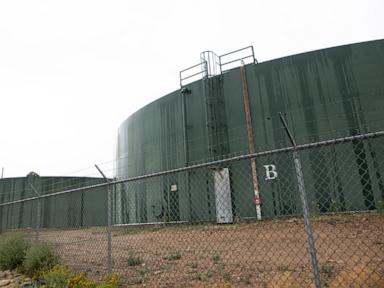
A major flood doesn't just threaten lives in the moment; it paralyzes the park's fragile logistics for weeks or months. The recent disaster along Bright Angel Creek wiped out nearly all the pedestrian footbridges and heavily damaged the critical Transcanyon Waterline.
When the primary pipeline breaks, the inner canyon lodges and campgrounds lose their operational lifeline. Overnight tourism gets instantly canceled because there is no drinking water. Visitors planning a bucket-list trip months in advance suddenly find their reservations voided while maintenance crews work in brutal heat to rebuild destroyed infrastructure.
How to Protect Yourself
If you plan to hike below the rim, you have to throw out standard hiking assumptions. Check the National Weather Service forecasts for specific canyon zones, not just general regional weather. Talk directly to backcountry rangers before heading down the trail and ask about recent storm activity and saturated soil conditions.
If a flood starts forming, drop your heavy pack and move to high ground immediately. Do not try to salvage gear or cross a moving stream that is deeper than your knees. Swift water exerts staggering physical pressure, and losing your footing in a debris-laden torrent is usually fatal. Respect the raw power of the desert, and always keep an escape route in mind.