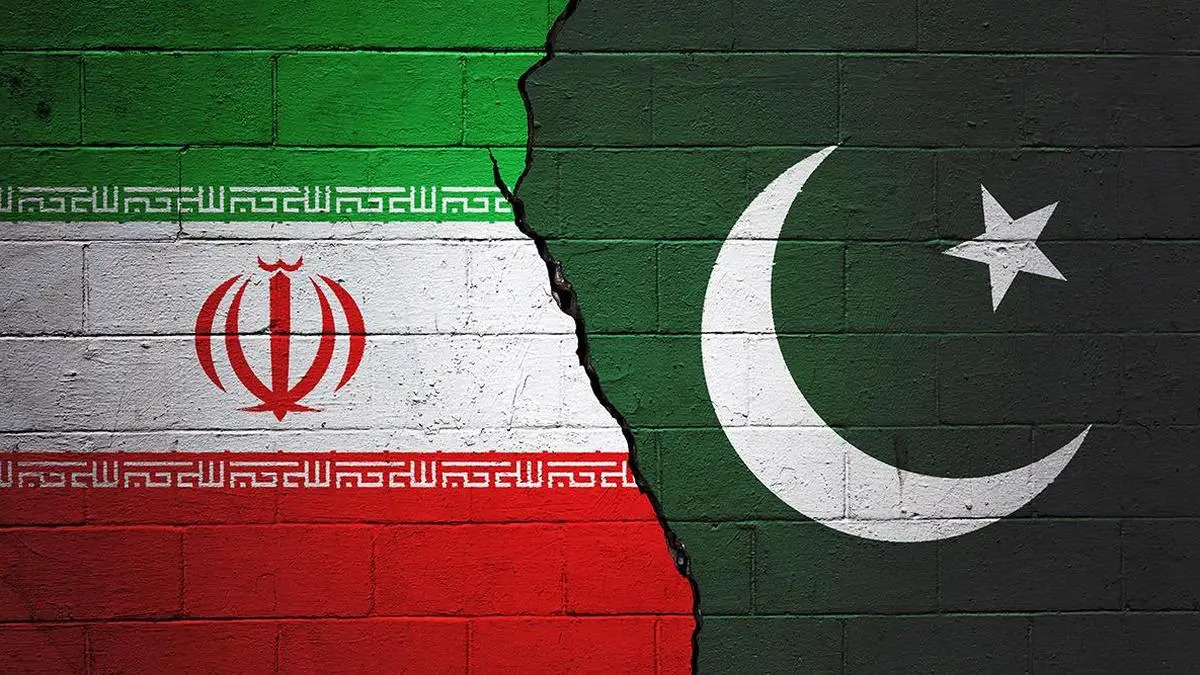
The headlines are screaming about a "secret pact." They want you to believe that Pakistan, a cash-strapped nation dependent on the IMF and the Saudi central bank, just opened its hangar doors to the Iranian Air Force. It is a cinematic narrative: ancient F-14 Tomcats and aging Phantoms sneaking across the border to hide under the umbrella of Pakistani air defenses to escape a looming U.S. or Israeli strike.
It is also total nonsense.
If you believe Pakistan is shielding Iranian assets from the United States, you aren't just misinformed about geopolitics; you don't understand the physics of modern warfare or the brutal math of sovereign debt. This isn't a "security alliance." It’s a logistical fantasy that ignores the fundamental friction between Islamabad and Tehran.
The Logistics of a Suicide Pact
Let’s talk about "interoperability"—a word the mainstream media avoids because it requires actual technical knowledge. You don't just land a fleet of foreign aircraft at a base and call it a day.
To host the Islamic Republic of Iran Air Force (IRIAF), Pakistan would need to provide specific fuel grades, specialized maintenance kits for 1970s-era American hardware that Iran has "MacGyvered" for decades, and secure communication links that don't exist. Pakistan flies a mix of F-16s, JF-17s, and J-10Cs. Iran flies ancient Western relics and a few Russian holdovers.
The idea that these two systems could "merge" during a high-readiness conflict is laughable. If an Iranian jet lands at a Pakistani base, it’s not being shielded; it’s being impounded.
The Myth of the "Islamic Bloc"
Analysts love to group "Muslim nations" into a monolithic defensive wall. This is a rookie mistake. Pakistan’s military elite is historically and financially tethered to the Gulf Monarchies—specifically Saudi Arabia and the UAE.
Follow the money. Saudi Arabia has pumped billions into the State Bank of Pakistan to keep the country’s economy from flatlining. Iran is a direct ideological and regional rival to those very benefactors. Does anyone honestly think the Pakistani military leadership would risk a multi-billion-dollar credit line from Riyadh to save a few dozen Iranian airframes?
Pakistan isn't an Iranian bodyguard. It is a state performing a desperate balancing act. It needs Iranian energy, yes, but it needs American F-16 parts and Saudi oil more. Putting Iranian jets on Pakistani soil would be the fastest way to trigger a "red-lining" of Pakistan’s own military hardware by Washington. One phone call from the Pentagon and Pakistan’s F-16 fleet becomes a collection of very expensive paperweights.
The Intelligence Hole
The "report" circulating suggests this is a move to avoid U.S. airstrikes. Think about the geography.
The United States maintains a massive signals intelligence and satellite presence in the region. There is no "stealth" movement of a squadron of 4th-generation fighters across that border. From the moment those engines start in Shiraz or Mashhad, they are on a dozen different radar screens.
If Pakistan allowed this, they wouldn't be "shielding" anything. They would be painting a giant bullseye on their own sovereign territory. Pakistan’s primary security obsession is—and always will be—India. The last thing the GHQ in Rawalpindi wants is to invite a U.S. or Israeli kinetic strike onto their soil because they decided to play "Airbnb" for an Iranian wing.
Operational Reality Over Tactical Fiction
When you see reports about "cooperation," look at the border. The Pakistan-Iran border is a site of frequent skirmishes involving the Jaish al-Adl and other insurgent groups. Just months ago, these two countries were lobbing missiles at each other in a brief but violent exchange of "tit-for-tat" strikes against militant hideouts.
Nations that trade missiles in January do not provide "safe harbor" for entire air forces in May.
The real story isn't about airbases. It’s about Posturing.
- Iran wants to project the image that it has regional depth.
- Pakistan wants to remind the West that it has options, however slim they may be.
- Media Outlets want clicks by framing a regional tension as the start of World War III.
The Burden of Evidence
Where are the hangars? Modern satellite imagery from providers like Maxar or Planet Labs can spot a new latrine being built in the Balochistan desert from space. If there were Iranian jets on Pakistani tarmac, we wouldn't be reading "reports" from anonymous sources; we would be seeing high-resolution 4K images of F-14s parked next to JF-17s.
They don't exist. Because the move makes zero tactical sense.
If Iran wants to hide its planes, it uses its "Eagle 44" underground bases—massive, hardened facilities carved into mountains. Why would they fly to a foreign country with an unpredictable government and a heavy U.S. intelligence presence when they have subterranean fortresses at home?
The Wrong Question
People are asking: "Is Pakistan helping Iran?"
The real question is: "Why does the West keep falling for the idea that these two are allies?"
Pakistan is a transactional state. It doesn't do "favors." It does survival. Housing Iranian jets is not survival; it is institutional suicide. It would alienate the U.S., bankrupt the country by outraging the IMF, and likely lead to an internal crisis within the military.
Stop reading the geopolitical fan fiction. Iran is alone in its air defense strategy, and Pakistan is too busy trying to keep its lights on to join a crusade that doesn't involve Kashmir.
The "sheltering" of Iranian planes isn't a secret military maneuver. It’s a ghost story told to people who don't know how to read a map or a balance sheet.
Go back and look at the "sources" of these reports. You’ll find they usually originate from think tanks with an interest in escalating tensions, not from the ground where the fuel is actually pumped.
The hangar is empty. The jets aren't coming.