Oil keeps moving out of the Persian Gulf, but the economic machinery behind it is fracturing. When the US-Israeli conflict with Iran escalated, conventional wisdom predicted an immediate, permanent chokehold on global energy supplies. That didn't happen. Saudi Arabia, Iraq, and other regional producers pushed output back up, crossing 105 million barrels per day globally by late autumn.
Yet focusing solely on physical export volumes hides the quiet financial bleeding happening across the Arabian Peninsula. Keeping the oil flowing isn't a sign of market health. It's a high-stakes, expensive salvage operation.
The Chokepoint Penalty and Skyrocketing Shipping Realities
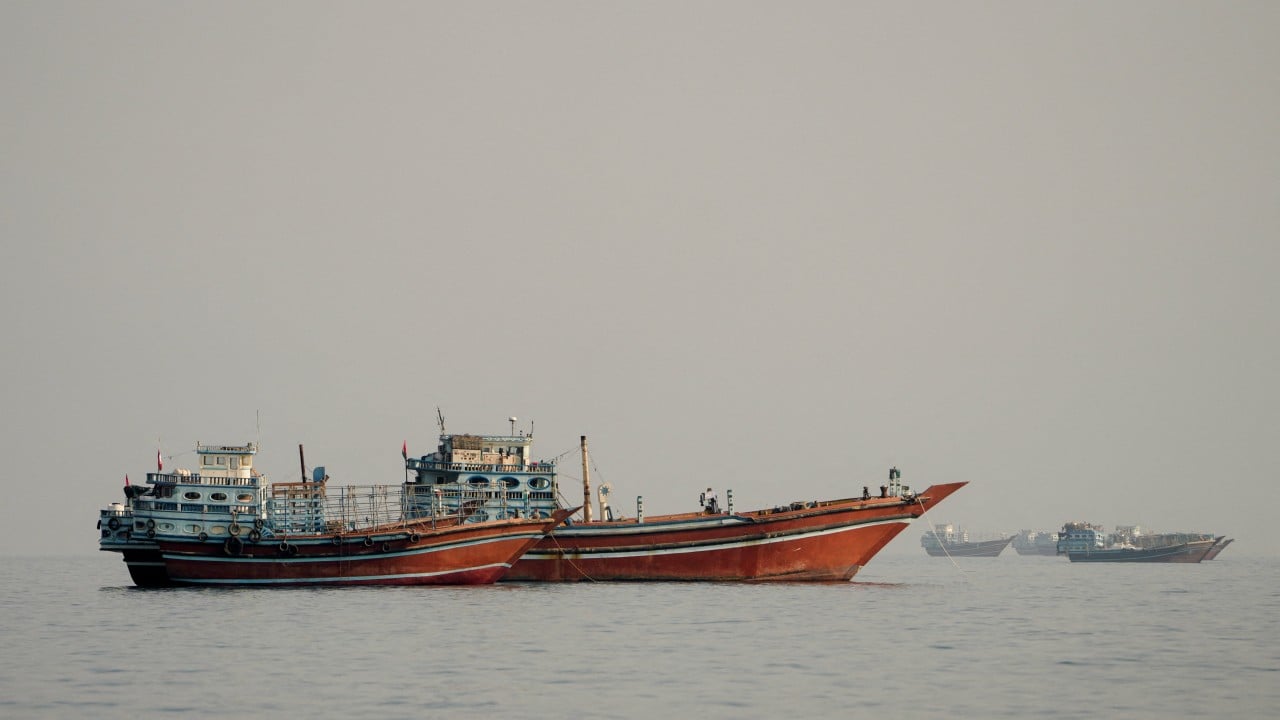
You cannot look at Middle Eastern energy without confronting the Strait of Hormuz. In calmer years, moving crude from regional ports to Asian markets was a routine logistical checkbox. Today, it's an extreme financial gauntlet.
Data from OPEC’s assessments reveals a staggering shift in trade economics. Freight and insurance expenses for Very Large Crude Carriers operating out of the Middle East have surged to roughly 30 percent of the total commodity cost, up from a baseline of just 5 percent.
Insurance underwriters panicked as risk profiles mutated. Marine insurance rates jumped more than two hundred times over pre-conflict baselines. Shipowners demand massive hazard premiums to send crews anywhere near contested waters. Tankers still make the journey, but every single barrel carries an overhead tax that eats straight into regional profit margins.
The Staggering Macroeconomic Toll
The financial fallout extends far beyond temporary shipping headaches. Independent economic assessments, including projections by Allianz Trade, indicate that the conflict will extract a cumulative toll of more than $200 billion on Gulf economies, with total impacts scaling up toward $790 billion by 2030.
Look at what happened to regional growth forecasts. The World Bank slashed its initial economic growth projections for Gulf Cooperation Council states, trimming real GDP expectations down drastically as hydrocarbon revenues took a direct hit from restricted maritime traffic and precautionary production adjustments.
Governments that spent years building multi-billion-dollar economic diversification programs suddenly had to pivot. National budgets are absorbing heavy shocks. States like Bahrain face immense fiscal strain due to a heavy debt burden compounded by regional instability. To maintain domestic stability and liquidity buffers, regional actors have turned heavily to debt markets, issuing tens of billions in sovereign bonds rather than liquidating long-term international investments.
Strategic Shifts and Domestic Reallocation
Sovereign wealth funds are changing how they deploy capital. Instead of chasing international tech startups or foreign infrastructure mega-projects, capital repatriation is accelerating. Domestic resilience has become the new watchword.
Governments are pouring hundreds of billions into localized supply chain security, alternative overland export pipelines, and critical infrastructure hardening. Desalination plants and internal power grids, which underpin urban life from Doha to Dubai, require enhanced protection against asymmetric threats. Security spending is crowding out the flashy futuristic developments that once defined regional economic plans.
State energy giants like Saudi Aramco still post massive profits because higher global oil prices offset some volume constraints. But those headline profits belong to the corporate balance sheet, while national treasuries shoulder the multi-front cost of maintaining stability in a volatile neighborhood.
The energy flows, but the financial architecture supporting it has fundamentally changed. The bill for keeping the world supplied with oil is coming due, and the Gulf is footing the largest share of it.