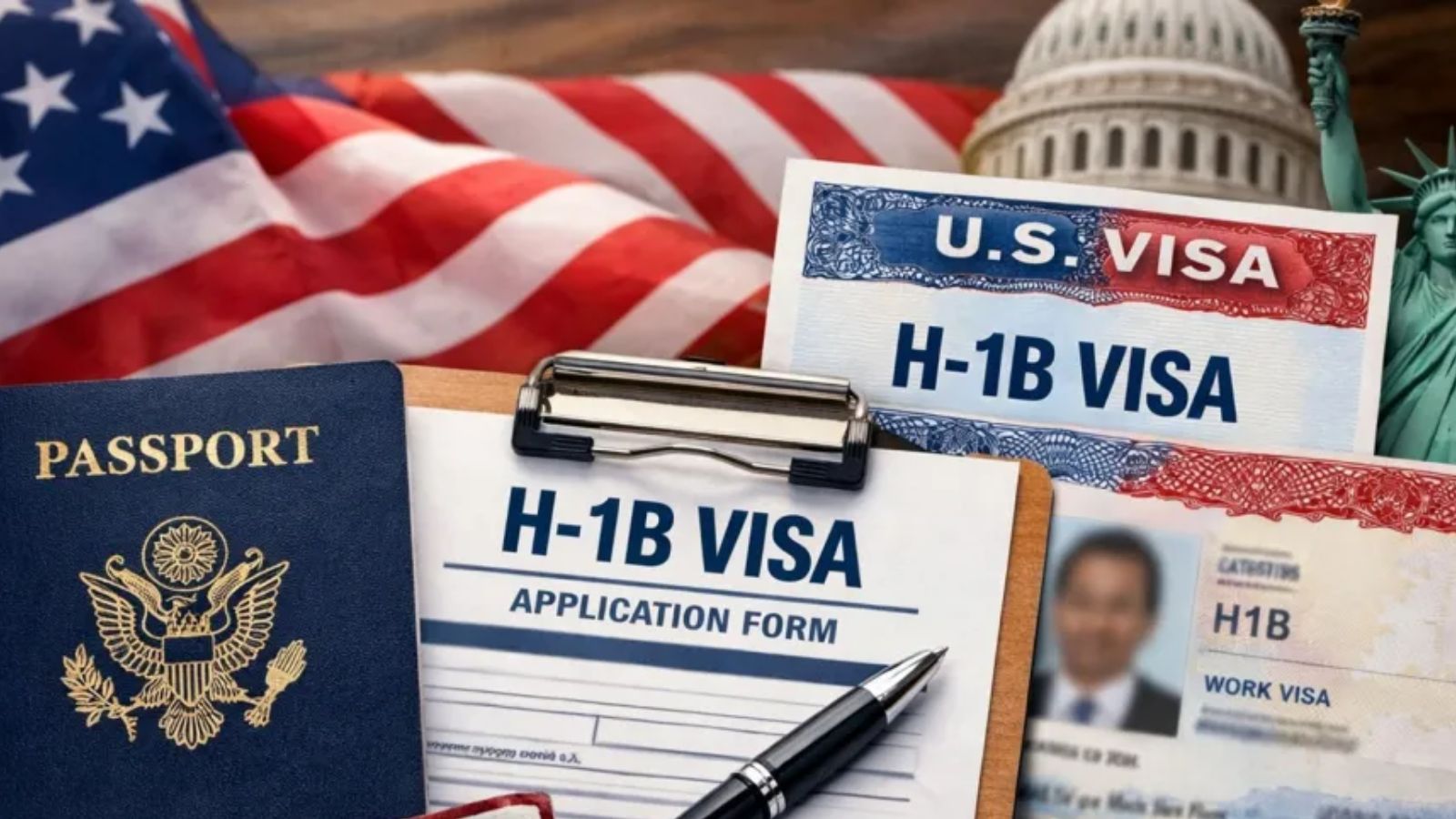
Losing your job in technology is stressful enough. Doing it while your entire legal right to remain in the United States hangs by a thread is a completely different kind of panic. Right now, the Department of Homeland Security is reviewing a proposal under RIN 1615-AD22 that could eliminate the 60-day grace period for H-1B visa holders. If this rule gets finalized, the safety net that lets skilled professionals catch their breath after an unexpected layoff vanishes.
Indian nationals account for roughly seventy-one percent of all approved H-1B petitions according to recent federal data. That means any regulatory shift targeting foreign tech workers hits this community harder than anyone else. Let’s look at what is actually happening, what the current rules allow, and how workers are planning around the uncertainty.
What the Current Grace Period Actually Does
Back in 2017, the federal government introduced a sensible rule. It recognized a basic truth of modern employment: companies downsize, startups fail, and people get laid off.
Under the existing framework, an H-1B worker who loses employment gets up to sixty consecutive calendar days, or until the end of their authorized validity period, whichever comes first. During that window, you are not immediately out of status. You can legally stay in the country while you scramble to find a new employer willing to transfer your sponsorship, switch to a dependent or student visa, or wrap up your affairs to leave.
It isn't an open-ended vacation. Sixty days moves fast when you factor in technical interview loops, recruiter response times, and immigration paperwork. Yet it has functioned as an essential lifeline for thousands of families.
Why the Proposed Rule Changes the Math
The new proposal sent to the White House Office of Management and Budget wants to remove that discretionary buffer entirely. If enacted, qualifying employment ending would mean your status terminates right away.
Think about what that means in practice. You get handed a pink slip on a Friday morning, and your legal status could be in jeopardy before the weekend is over. You lose the time needed to file a timely change-of-status application or orchestrate an H-1B transfer without panicking.
Critics from immigration advocacy circles call the proposal unworkable and unnecessarily cruel to families with kids in school and mortgages to pay. On the flip side, proponents of tighter immigration controls argue that temporary worker visas should stay strictly tied to active employment. If the job ends, the stay ends. Simple as that.
Where Things Stand Right Now
Take a deep breath because the rule is not law yet.
Right now, the proposal is sitting with the Office of Information and Regulatory Affairs for review. Once that review finishes, it will get published in the Federal Register. That triggers a mandatory public comment period where individuals, companies, and advocacy groups can submit feedback. Only after reviewing those comments can the agency issue a final rule.
The existing 60-day grace period remains fully active. You do not need to pack your bags today, but you do need to understand how the system works if things go sideways.
What You Can Do to Protect Yourself
If you hold an H-1B visa, you cannot control Washington politics or corporate tech layoffs. You can control how prepared you are.
First, keep track of your Form I-94 expiration date at all times. Remember that your grace period can never exceed your authorized visa validity. If your visa expires in twenty days, your grace period stops at twenty days, not sixty.
Second, keep your resume updated and your professional network warm. If a layoff hits, every day counts.
Third, if the worst happens, talk to an experienced immigration attorney immediately. They can help you evaluate alternative pathways, such as switching to an H-4 dependent status if your spouse is working, or exploring an F-1 student visa if you want to study while figuring out your next move.
The landscape is shifting, but staying informed is your best defense against bad surprises.


