The air inside a maximum-security prison smells of industrial floor wax, damp laundry, and cheap, burnt tobacco. It is a sensory envelope that never leaves you. If you have ever sat in a cell, you know that the physical walls are only half the battle. The real struggle is the invisible economy of survival.
Every prisoner is a currency trader in a market where the only legal tender is safety. You negotiate with guards. You make alliances with cellmates. You trade small obediences for quiet nights.
But what happens when the very person sworn to maintain order asks you to buy your safety by destroying someone else?
A recent court ruling out of Hong Kong lays bare this exact, terrifying transaction. Two inmates, Bosco Lee and Brian Lam, were found guilty of wounding with intent. They were not fighting for turf, nor were they settling an old street vendetta. They were helping a correctional officer wage a brutal, unsanctioned war against a fellow inmate.
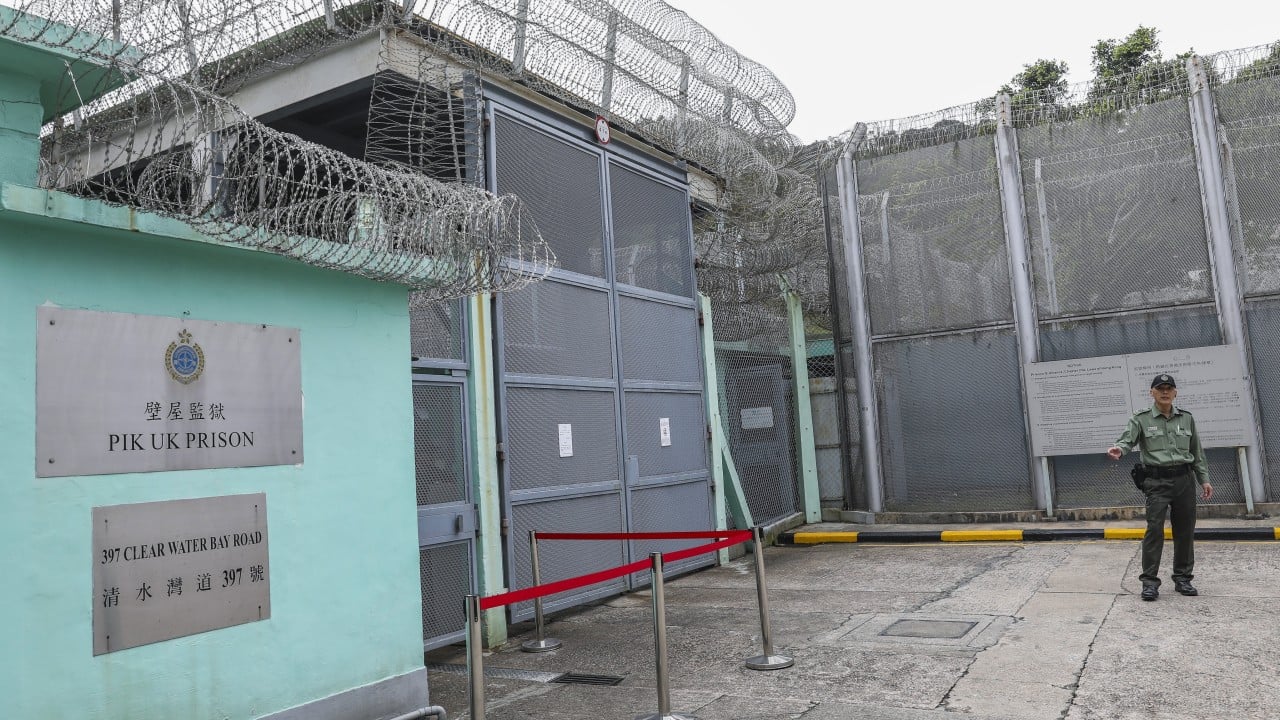
The incident took place inside the concrete confines of Pik Uk Prison, nestled along Clear Water Bay. On the surface, the headline reads like a straightforward procedural report. A guard wanted someone hurt, two prisoners obliged, a third ended up in the hospital requiring an emergency operation, and the hammer of justice eventually fell on the accomplices.
But look past the sterile language of the indictment. Look at the sheer, suffocating desperation of the choice.
The Grim Mathematics of Compliance
To understand why an inmate would volunteer to carry out an officer's dirty work, you must first abandon the assumption of free will. In a prison environment, free will is a luxury that is stripped away at the booking desk.
Suppose an officer approaches you. He does not use a booming voice. He does not wave his baton. He simply leans against your cell door, looks down at a clipboard, and whispers a request. He wants another inmate "taught a lesson."
At that moment, your mind runs a rapid, brutal calculation.
- Option A: Refuse. You maintain your moral center. But your cell is suddenly searched every single night. Your mail gets lost. The thin mattress you sleep on is seized for "contraband inspection." Worse, the next time a fight breaks out on the tier, the guards look the other way just a few seconds too long.
- Option B: Comply. You do the deed. In return, you get an extra carton of milk at dinner. Your phone privileges are protected. Most importantly, you are shielded. You are, for a fleeting moment, safe.
This is the bargain Bosco Lee and Brian Lam accepted. By choosing compliance, they became the physical extension of an authority figure's malice. They transformed from state-held prisoners into proxy weapons.
The victim of their alliance was subjected to a beating so severe that it required immediate, life-saving surgery. Think about the level of violence required to pierce the survival instinct of someone already institutionalized. This was not a minor scuffle in the yard. It was a systematic attempt to break a human being, authorized by a badge and executed by the hands of peers.
When the Shield Becomes the Sword
We expect guards to guard. We expect prisoners to resist. When those roles blur, the entire concept of rehabilitation collapses under the weight of hypocrisy.
The psychological toll on the general prison population is profound. When the people in uniform are caught actively recruiting inmates to commit violent crimes, the thin veneer of institutional legitimacy evaporates. The inmates realize that there are no rules. There are only predators, and some of them wear keys.
The prosecution of Lee and Lam is a rare victory for visibility inside a closed system, but it leaves behind a chilling question. What happens to the prisoners who are still trapped in these systems, currently facing the same quiet demands behind closed doors?
Justice was served in a courtroom, but the culture that bred the violence remains intact, locked away where the public rarely looks.
:max_bytes(150000):strip_icc():focal(749x0:751x2)/auschwitz-2-691cb034ee9e43cfa45a0969012c6337.jpg)