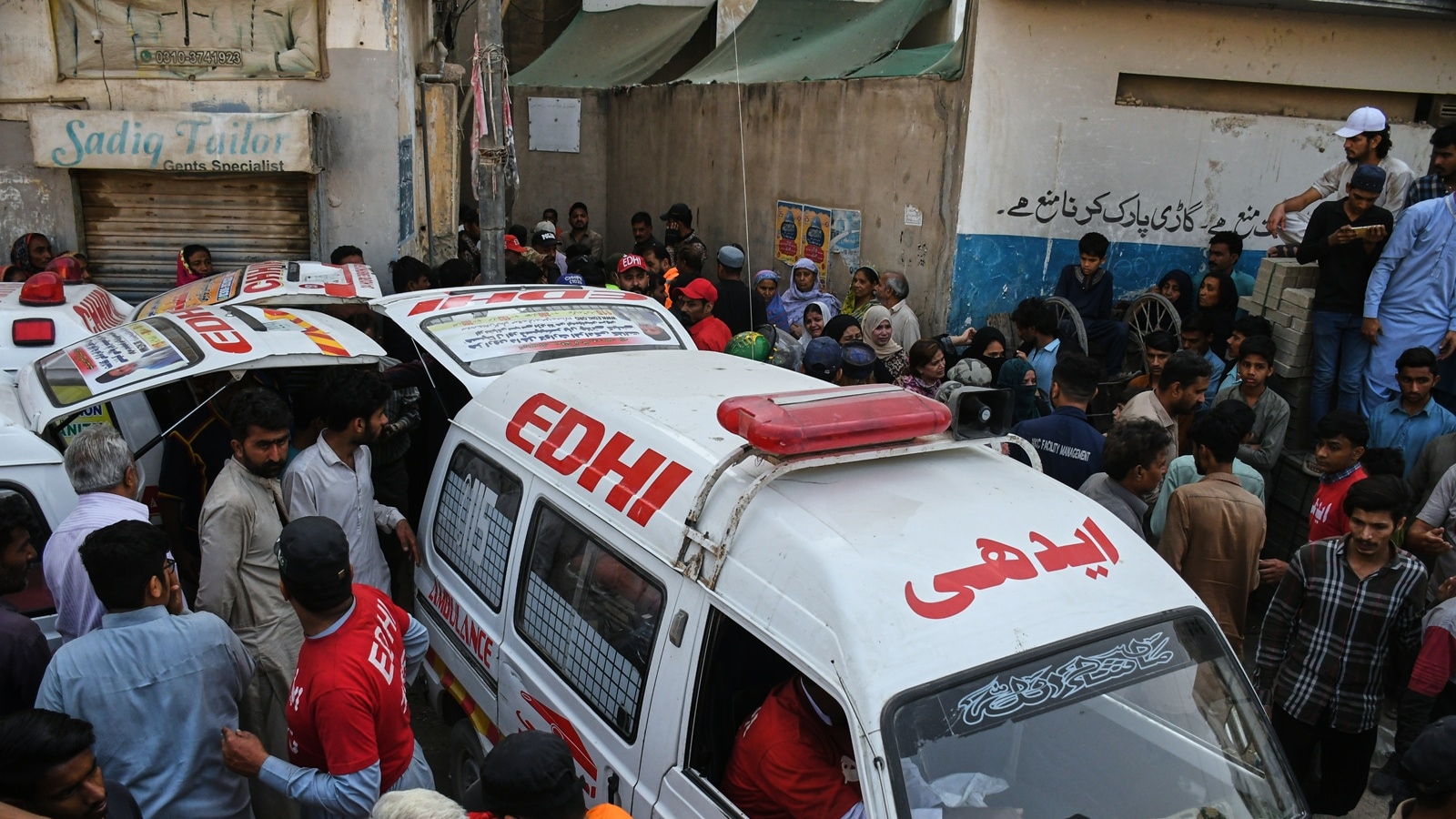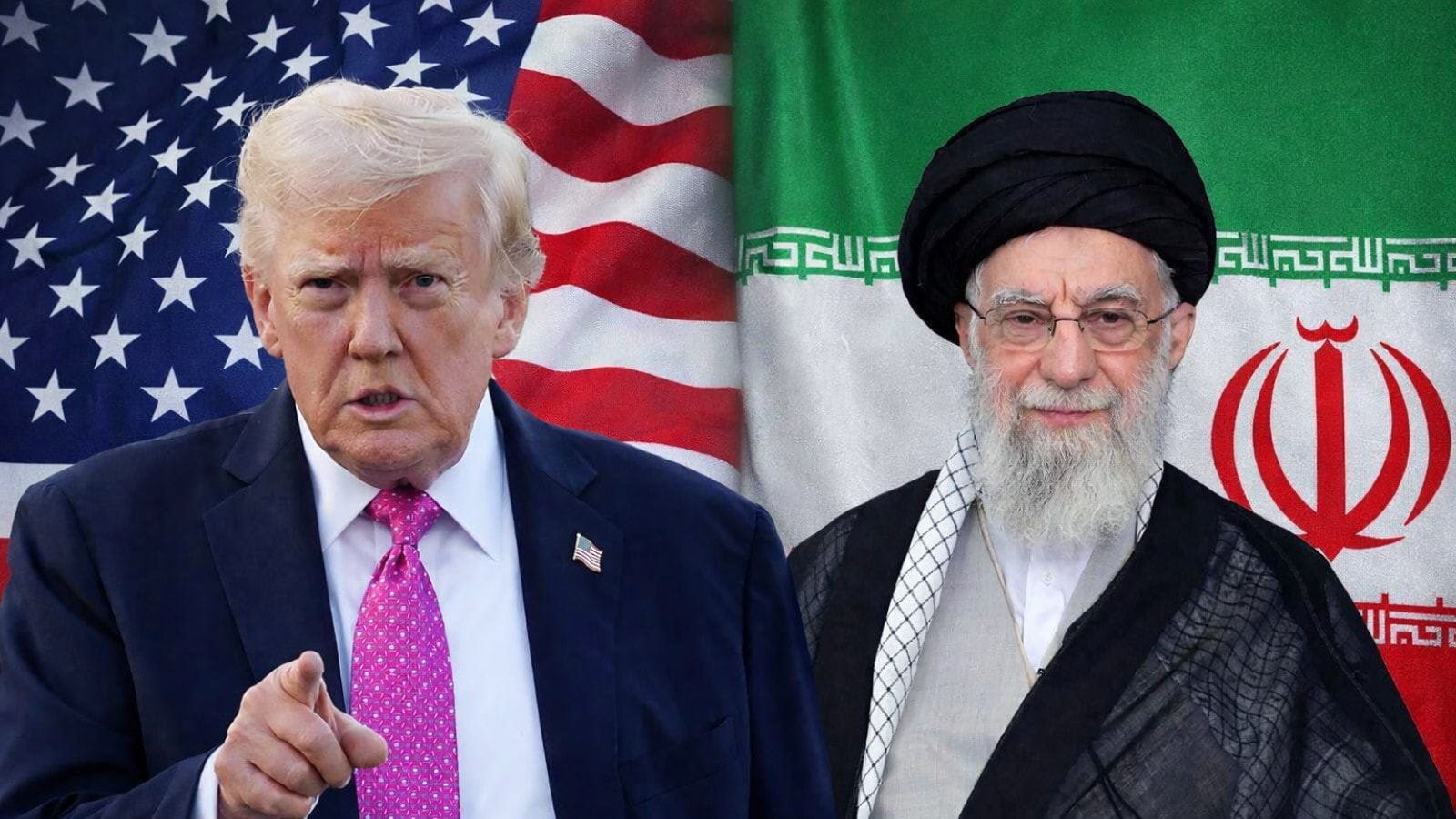
The smoke hanging over Tehran this morning is not merely the byproduct of burning infrastructure. It is the visible manifestation of a strategic gamble that has upended the Middle East in less than forty-eight hours. Operation Epic Fury, the massive, joint U.S.-Israeli air campaign against Iran, marks the most significant shift in regional security since the invasion of Iraq.
This is not a limited strike aimed at a single facility. It is a sustained, systematic attempt to dismantle the Iranian state from the air. By targeting the leadership apparatus, command and control nodes, and the entirety of the missile infrastructure, the White House has moved beyond the established boundaries of previous confrontations.
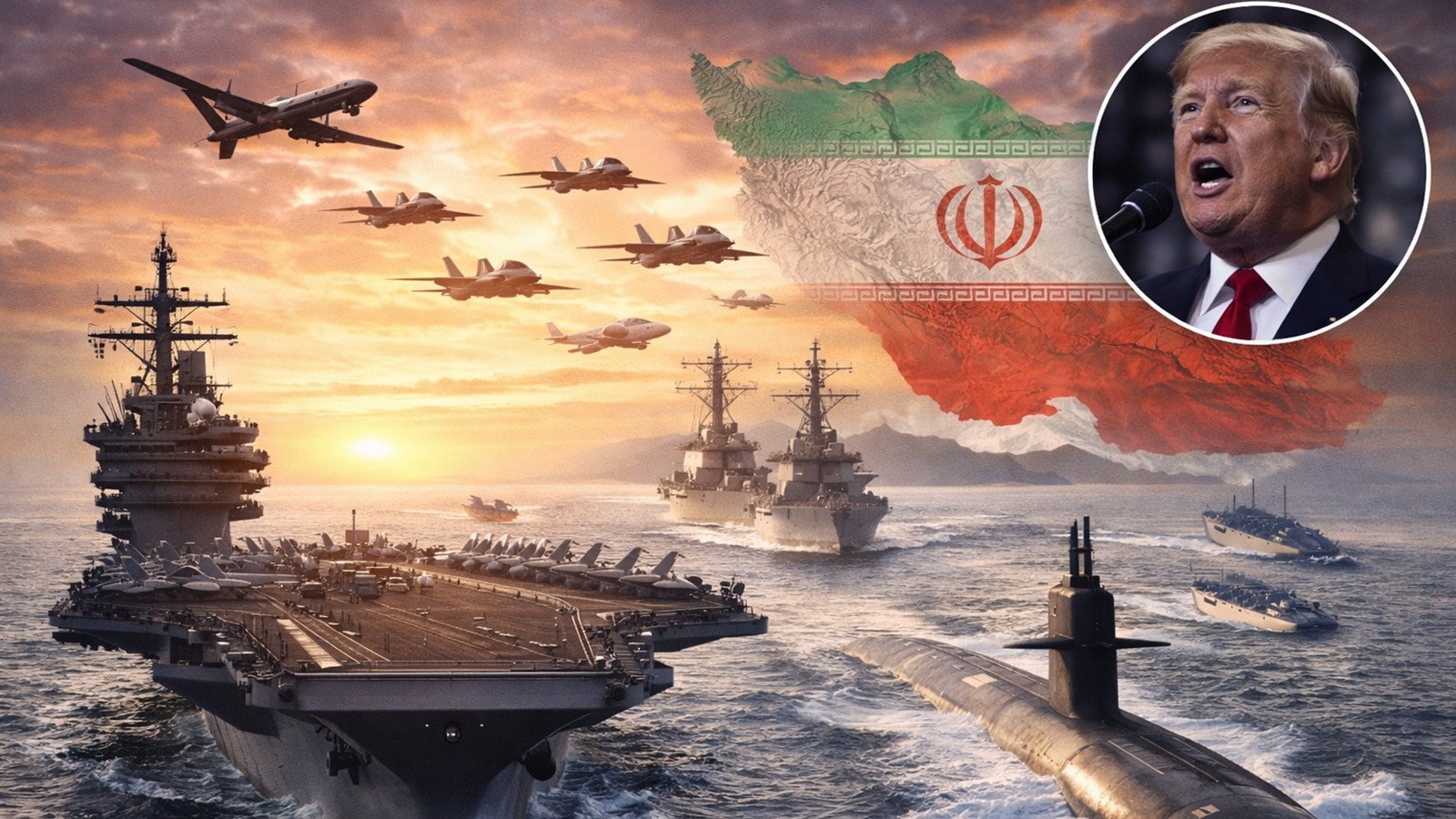
The military reality on the ground is stark. With two carrier strike groups currently operating within range and air wings flying sorties from multiple regional bases, the U.S. has committed the largest concentration of air power in the region since 2003. Yet, the tactical precision of these munitions belies the strategic incoherence of the objective. President Trump has articulated a goal of eliminating nuclear and missile threats. Behind the scenes, however, the administration is pursuing a broader, more dangerous objective: the removal of the current Iranian regime.
The disconnect between the declared mission and the required resources for success is profound. History shows that air power alone rarely forces a regime change without an accompanying collapse of internal security forces or a massive, sustained ground occupation. By betting on the former, the administration assumes that the killing of Supreme Leader Ali Khamenei and other high-ranking officials will trigger an automatic internal implosion.
It is a theory that ignores the resilience of the Islamic Revolutionary Guard Corps. Even with its leadership structure heavily damaged, the organization remains a decentralized, combat-tested entity. If the regime does not crumble, the United States faces a grim alternative: a long, attritional campaign that drains American munitions stockpiles and leaves the region in a state of permanent instability.
The Intelligence Disconnect
The justification provided by the White House for this escalation rests on an intelligence narrative that is increasingly difficult to verify. In briefings and public addresses, the administration points to an imminent threat from Iranian nuclear and missile programs. They warn of weapons that could reach the American homeland.
Yet, military analysts and intelligence professionals who have worked the Iran portfolio for decades note a recurring pattern. The capabilities described—specifically the intercontinental ballistic missile range—do not align with the technical realities assessed by the Defense Intelligence Agency. These agencies consistently place such capabilities years, if not a full decade, away.
By framing this operation as a defensive necessity against an immediate, existential threat, the administration has effectively removed the window for diplomatic off-ramps. If the threat is truly existential, then the only acceptable outcome is total destruction. This logic creates a binary choice for Tehran. They cannot negotiate from a position of defeat while their state structure is being systematically dismantled. They are forced to escalate.
The retaliatory strikes launched by Iran against Gulf monarchies—states that had no direct role in the initial attacks—confirm that this conflict is rapidly expanding beyond the initial theater. By striking civilian and commercial infrastructure in nations like Kuwait and the United Arab Emirates, Tehran is attempting to force a regional economic crisis. They are betting that the cost of this war will become unbearable for the global energy market and for the Arab states that host U.S. military bases.
The Logistics of Exhaustion
A major concern for the Pentagon is not the initial success of the air strikes, but the sustainability of the campaign. Epic Fury requires a high volume of precision-guided munitions. These are not infinite resources.
The U.S. military has been warning of munitions shortages for years, particularly regarding the specific missiles required for bunker-busting operations. Every sortie flown over Iran depletes a stockpile that is difficult to replace in the timeframe of an active, high-intensity conflict.
Furthermore, this deployment has pulled a massive portion of the U.S. Navy and Air Force away from other theaters. We are witnessing a realignment of American military might that leaves the Pacific and European theaters with thinner margins of error. If Beijing or Moscow decides to probe those weaknesses while the U.S. is preoccupied in the Gulf, the administration will find itself in a logistical vise. It is a gamble that assumes these other powers will remain passive observers while the United States engages in a prolonged campaign.
The cost of this operation is not just measured in missiles expended or aviation fuel burned. It is measured in the loss of strategic flexibility. When the U.S. commits its primary assets to a sustained air campaign, it loses the ability to shift quickly in response to emerging crises elsewhere.
The Aftermath of Leadership Decapitation
The death of Supreme Leader Khamenei and the associated Iranian officials changes the internal calculations of the regime, but not necessarily in the way Washington anticipates. In autocratic systems, the removal of a head of state often triggers a period of extreme factional infighting. The various power centers within the Iranian government—the clerical leadership, the military intelligence branches, and the regional proxy commanders—are now likely jockeying for position.
This does not guarantee a pro-Western outcome. It may, instead, result in a more fragmented, radical, and unpredictable security environment. The various factions may attempt to demonstrate their legitimacy by launching more aggressive, harder-to-predict attacks against U.S. targets.
We are seeing a version of this dynamic already. The initial wave of strikes targeted command and control. The response was not a centralized counter-attack by the Iranian Air Force, which would be a standard military maneuver. It was a fragmented, decentralized barrage of drones and missiles from across the region, involving various proxies and disparate elements of the Iranian armed forces. This is the definition of asymmetric warfare. It is designed to be chaotic, uncoordinated, and difficult to deter.
The Illusion of Limited War
The administration’s messaging suggests a "limited" operation designed to achieve specific, contained goals. This is a dangerous misnomer. In a region as interconnected as the Middle East, there is no such thing as a limited war between major powers.
The escalatory ladder has already been ascended. We are past the stage of warning shots and diplomatic signaling. When an administration speaks of razing a missile industry to the ground, they are speaking of total war, regardless of whether they employ ground troops.
The reliance on air power creates a false sense of security. It gives the illusion that the U.S. can dictate the pace and scope of the conflict. But the enemy gets a vote. Iran has shown a clear willingness to accept high levels of damage in exchange for inflicting costs on the U.S. and its allies. They have calculated that their survival depends on their ability to make the war too expensive for the United States to continue.
The civilian casualties that will inevitably accumulate as this campaign continues will shift the political calculus both within the United States and internationally. While public support for the operation might hold during the initial excitement of success, it will erode quickly if the war becomes an open-ended engagement with no clear path to stability.
The Strategic Void
As of this morning, the objective remains clear to the White House but increasingly murky to the rest of the world. If the intent is to eliminate Iran’s nuclear program, the history of air campaigns against hardened, buried facilities is not encouraging. They can delay a program; they rarely end it.
If the intent is regime change, we are witnessing the opening chapter of a messy, multi-year, and likely bloody transition. There is no plan in place for what replaces the current structure of the Iranian state.
History is filled with examples of powerful nations launching campaigns to dismantle states they deem hostile, only to find themselves managing the resulting chaos for decades. We are not yet at the stage of occupation, but the trajectory of Epic Fury points toward an engagement that will likely extend well beyond the initial days of bombing.
The United States has engaged the gears of a war machine that is now difficult to slow down. The momentum of the mission, the domestic political pressure to show results, and the reality of regional retaliation have created a dynamic where the only perceived path forward is further escalation.
We are watching the result of a policy that prioritizes tactical dominance over long-term strategic reality. The targets are burning. The leadership is gone. But the underlying factors that created the confrontation remain, and they have been intensified by the violence of the last forty-eight hours. The operation may be called Epic Fury, but history will likely categorize it by the vacuum it leaves in its wake.