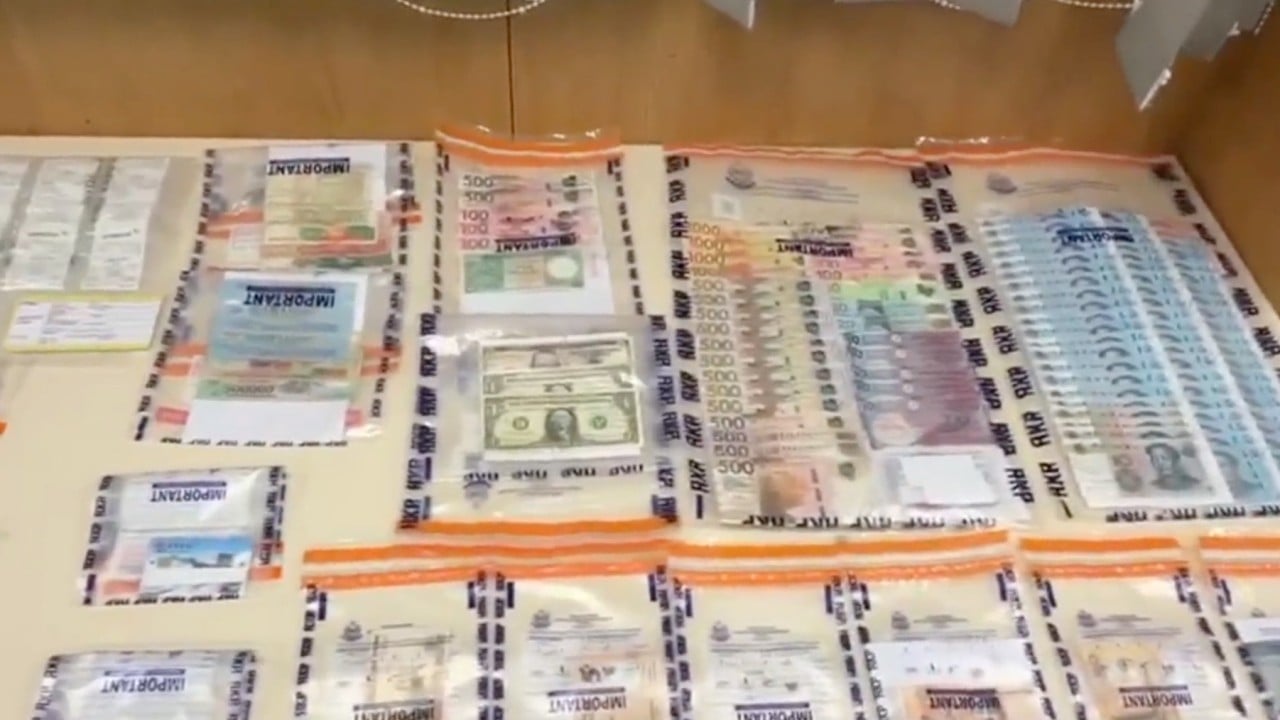
Two arrests over a string of break-ins in Kowloon totaling roughly HK$1.7 million point to a pattern that keeps showing up in dense cities. Thieves don't always need Hollywood gear to hit high-value homes or businesses. Most of the time, they look for timing, predictability, and easy exits.
When reports hit that Hong Kong police arrested two men tied to a multi-case break-in spree across Kowloon worth about HK$1.7 million, the headline grabs attention right away. Big numbers do that. Yet the real story isn't just the dollar figure or the arrests themselves. It's how repeat offenders exploit everyday routines in packed urban districts, and why property owners often assume a fancy neighborhood equals an impenetrable one.
Why Kowloon Break-In Cases Draw So Much Scrutiny
Kowloon sits at the heart of one of the busiest, most densely built parts of Hong Kong. Residential blocks, shops, transit hubs, and older buildings sit cheek by jowl. That density is great for convenience, street life, and quick commutes. It also creates plenty of cover for people moving quietly after dark.
In high-value property cases across districts like Kowloon, thieves usually go after items that pack high worth into small spaces. Cash, watches, and jewelry top the list because you can slip them into a bag in seconds and move them fast. Unlike bulky electronics or furniture, small valuables don't slow down a getaway.
There's also a psychological trap at play. Living in a desirable or well-known area makes people relax. You get used to seeing neighbors, security guards, or delivery workers around, so it's easy to assume the perimeter takes care of itself. Criminals count on that exact comfort. Honestly, a false sense of security does half the burglar's work before they even touch a door or window.
How Police Track Repeat Break-In Spree Suspects
Catching someone after a single break-in can be tough, especially when there are no eyewitnesses at the exact moment of entry. Serial cases give investigators something they don't get in one-off incidents: a trail of habits.
Police teams looking into multi-stop break-in sprees typically piece together clues across several fronts:
- Timing and routes: Looking at when incidents happen, how long offenders stay inside, and which streets or transit lines connect the scenes.
- Entry points and target types: Checking whether the suspects favor ground floors, podium levels, rear exits, or specific kinds of properties.
- Camera networks: Reviewing overlapping public and private footage across neighboring blocks to trace movement before and after each incident.
- Stolen goods movement: Watching for resale channels, pawn activity, or links between suspects handling valuables.
None of that happens like a 45-minute TV drama. It's slow, methodical legwork. One blurry camera frame or one overlooked timing overlap might look minor on its own, then click into place once three or four cases get mapped side by side.
What Hong Kong Law Says About Burglary and Stolen Goods
When property cases move from police investigation to the courts, the legal stakes are steep. Under Hong Kong's Theft Ordinance (Cap. 210), burglary carries a maximum penalty of 14 years' imprisonment upon conviction on indictment. If a burglar carries a firearm, imitation firearm, weapon of offence, or explosive during the break-in, it can escalate to aggravated burglary, which carries a maximum sentence of life imprisonment.
Handling stolen goods under Section 24 of the Theft Ordinance (Cap. 210) also carries a maximum penalty of up to 14 years' imprisonment. That matters because break-in rings rarely operate in a total vacuum. Moving high-value watches, jewelry, or other goods often involves more than the person who forced the lock.
Of course, an arrest is only the start of the legal process, not a verdict. Prosecutors still have to prove every element of an offense beyond a reasonable doubt, and suspects have legal rights as cases proceed through the courts.
Common Mistakes Property Owners Make
If you've ever lived or worked in a busy city, you've probably seen the same security blind spots over and over. They aren't dramatic mistakes. They're small shortcuts that feel harmless in the moment.
One big mistake is treating building security as a substitute for personal habits. A lobby desk or security guard helps, sure, yet guards can't watch every side door, podium ledge, or hallway at once. Assuming someone else has your back is one of the easiest ways to leave a gap open.
Another classic slip is leaving ground-floor, low-level, or balcony access slightly ajar for airflow—especially in warm or humid weather—and forgetting about it when stepping out. Thieves test latches quietly. A window left unlocked "just for a bit" doesn't require force at all.
People also tend to keep too much high-value cash or loose jewelry sitting in obvious spots like dresser drawers or bedside tables. If someone gets inside and has only a few minutes, they're checking drawers first, not solving riddles.
Then there's digital oversharing. Posting real-time updates when you're out of town, away for the weekend, or leaving a shop closed for a stretch tells the wider world your space is empty. Wait until you're back to share trip photos. It's a simple rule, and people still ignore it constantly.
Practical Steps You Can Take Right Now
You don't need to turn your home or storefront into a bunker to lower your risk. A few practical habits cut down the easiest opportunities burglars look for:
- Lock every entry point every time you leave. Double-check deadbolts, sliding doors, and lower windows—even for a quick errand or a short walk.
- Don't leave high-value items in plain sight or obvious drawers. Keep spare cash minimal, use a properly anchored safe for valuables, and keep an updated inventory with serial numbers and photos for insurance and police records.
- Cover blind spots with cameras and lighting. Make sure entry doors, side alleys, or balconies have clear sightlines and working motion lights or cameras that actually record and retain footage.
- Tighten access habits in shared buildings and shops. Don't prop fire doors or back doors open, avoid letting tailgaters slip through secured doors blindly, and report suspicious loitering right away.
- Hold off on posting travel plans publicly. Share vacation or away-from-home posts after you return, not while the place sits empty.
Big break-in headlines fade after a few news cycles, yet the lessons stick around. Locking up properly, watching your blind spots, and not assuming your neighborhood makes you immune are still the best defense you've got.


