Benjamin Netanyahu has always sold himself as the "Manager," the one man capable of holding the leash on both Washington’s impulses and Tehran’s nuclear ambitions. That image shattered on April 7, 2026. When U.S. President Donald Trump announced a two-week ceasefire with Iran via social media—just ninety minutes before a catastrophic ultimatum was set to expire—it became clear that Israel was not the architect of the peace, but a spectator to its own security arrangements.
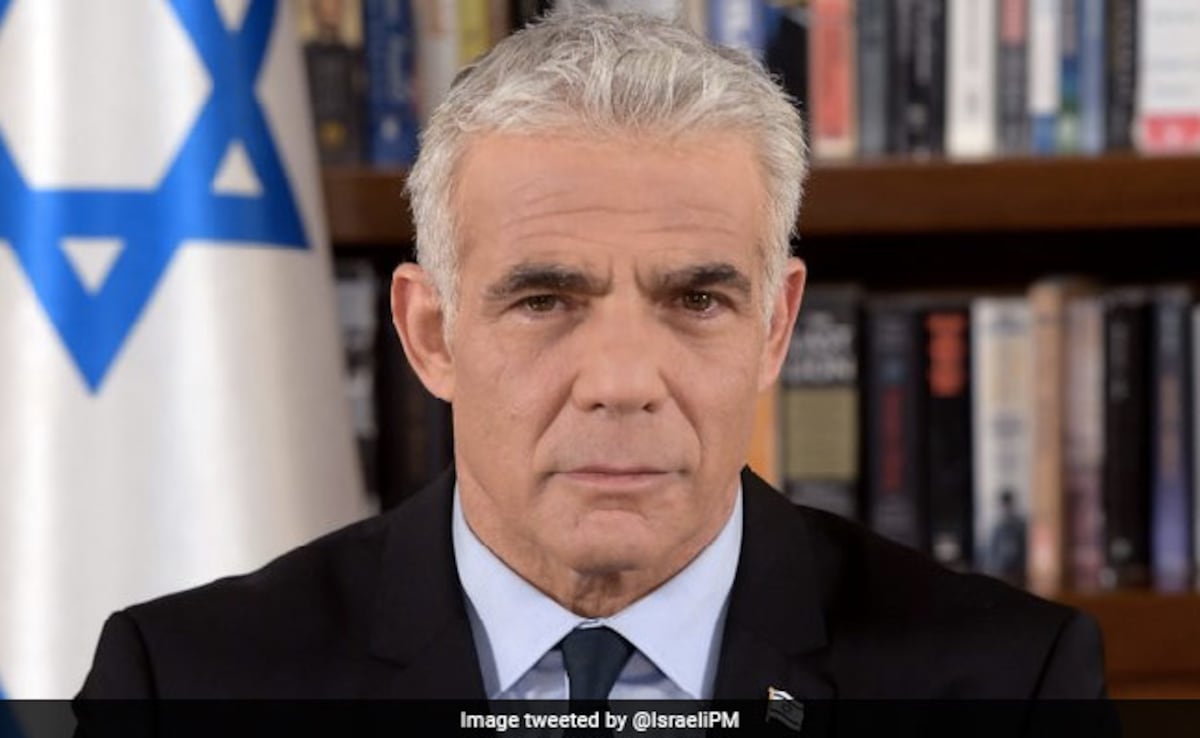
The fallout in the Knesset was immediate and visceral. Opposition Leader Yair Lapid did not mince words, labeling the truce a "diplomatic disaster" and accusing the Prime Minister of failing to meet a single strategic objective of Operation Roaring Lion. The military had done its part, pounding Iranian infrastructure and nuclear centrifuge facilities into the dirt. Yet, as the smoke clears, the regime in Tehran remains standing, the Strait of Hormuz is only reopened under Iranian terms, and the "existential threat" Netanyahu promised to eliminate has merely been paused. Meanwhile, you can read similar events here: Why the James Comey seashell case is a legal mess for the DOJ.
The Architecture of a Strategic Failure
Israel entered this conflict with a checklist of maximalist goals: the total degradation of Iran’s nuclear program, the dismantling of its ballistic missile wings, and the toppling of the clerical regime. None of these have been checked off. Instead, the ceasefire, mediated by Pakistan, appears to leave Iran with its enrichment capabilities largely intact, albeit buried under the rubble of recent strikes.
The "why" behind this failure is rooted in a fundamental miscalculation of American priorities. While Netanyahu banked on a "maximum pressure" campaign that would force a total Iranian surrender, the Trump administration prioritized the immediate reopening of global energy lanes. For Washington, the closure of the Strait of Hormuz was a global economic emergency; for Jerusalem, it was a secondary detail to the primary goal of regime change. When those interests diverged, Israel was left out in the cold. To understand the bigger picture, check out the detailed article by NPR.
A Seat at the Kids Table
The most damning indictment from the opposition is the claim that Israel wasn't even at the table when the core terms were finalized. Lapid’s assertion that "it will take years to repair the political and strategic damage" reflects a growing consensus among the Israeli security establishment. They see a Prime Minister who has spent years cultivating a "special relationship" with the American right, only to find that "America First" means Israel’s security concerns are negotiable if they interfere with U.S. domestic economic stability.
Key Failures of the Current Strategy
- Nuclear Ambiguity: The ceasefire fails to mandate the removal of enriched uranium, leaving Iran with a "breakout" capability that could be exercised the moment the truce expires.
- The Lebanon Loophole: Netanyahu claims the ceasefire doesn't apply to Hezbollah, but Vice President JD Vance’s comments about a "legitimate misunderstanding" suggest the U.S. may not support a prolonged Israeli campaign in Lebanon.
- Regime Resilience: Despite weeks of bombing, the Iranian Revolutionary Guard Corps (IRGC) maintains its grip on power, and its proxy networks remain operational.
The Lebanon Diversion
To distract from the political carnage at home, Netanyahu has pivoted aggressively toward the northern front. In the hours following the ceasefire announcement, Israel launched its most intense bombardment of Hezbollah targets since the war began. It is a classic tactical move: when a strategic victory against the primary adversary (Iran) proves elusive, intensify the fight against the secondary one (Hezbollah) to maintain the "war footing" that keeps the coalition together.
However, this "finger on the trigger" rhetoric is a thin veil. The Israeli public, who spent the last month in underground shelters, is beginning to ask what the "ultimate victory" actually looks like. If the result of a month of high-intensity warfare is merely a two-week breather and a return to the status quo, the political cost for Netanyahu will be terminal.
The Economic Mirage
The ceasefire was driven by the crushing reality of 2026 global economics. With oil prices spiking and shipping insurance rates making the Persian Gulf a no-go zone, the pressure on the U.S. to find an exit ramp was immense. Netanyahu’s failure was in believing that military superiority alone could override these global economic imperatives. He fought a 20th-century war in a 21st-century interconnected economy.
The opposition’s fury isn't just about the terms of the truce; it’s about the loss of Israeli agency. For decades, Israel has maintained that it will "defend itself, by itself." But the 2026 Iran war has shown that when the stakes reach a certain threshold, the superpowers will dictate the terms of both the conflict and the peace, regardless of Jerusalem’s "red lines."
The Forgery of Security
Adding fuel to the fire are the lingering allegations of "protocol forgery." Earlier this year, Lapid accused the Prime Minister’s Office of altering security documents to deflect blame for previous intelligence failures. This history of perceived dishonesty makes the current "strategic victory" narrative impossible for many to swallow. When the Prime Minister says the ceasefire was "coordinated in full," the public increasingly hears it as "we were told what to do and we did it."
The military reality is that the IDF achieved significant tactical successes. They destroyed missile factories and crippled the IRGC’s financial networks. But tactical success without a diplomatic framework is just expensive noise. Without a clear path to a permanent settlement that addresses the nuclear threat, this ceasefire is nothing more than a reloading period for an adversary that has proven it can survive the best the West has to throw at it.
Netanyahu now finds himself in a pincer movement: an emboldened Iran that sees the U.S. as eager for an exit, and an enraged domestic opposition that views the ceasefire as a surrender. The Manager has lost control of the room. He is now fighting a desperate rearguard action, not against Tehran, but against his own political obsolescence. The next two weeks will determine if this is a pause in the war or the final chapter of the Netanyahu era.