The American dinner table has become a site of quiet, desperate arithmetic. While high-level indicators like the S&P 500 occasionally flash green, the reality inside the average household is increasingly grim. A record 55% of Americans now report that their personal financial situation is actively worsening. This isn't just a statistical dip; it is the highest level of financial pessimism recorded in nearly two decades, surpassing even the dark anxiety of the 2008 subprime collapse. People aren't just worried about the future; they are drowning in the present.
The primary culprit is a relentless, multi-front assault on affordability that has rendered traditional budgeting obsolete. Inflation, once a talking point for economists, has morphed into a permanent tax on existence. Even as the administration points toward fluctuating job numbers, the gap between what people earn and what it costs to stay alive is widening into a canyon.
The Affordability Trap
For five consecutive years, affordability has remained the top financial concern for U.S. households. It is no longer about whether you can save for a vacation; it is about whether you can afford the commute to the job that pays for your groceries. Energy costs have surged to their highest levels since the Great Recession, with a 10-percentage point jump in concern over the last year alone.
When the cost of gas and electricity spikes, it triggers a domino effect through the entire supply chain.
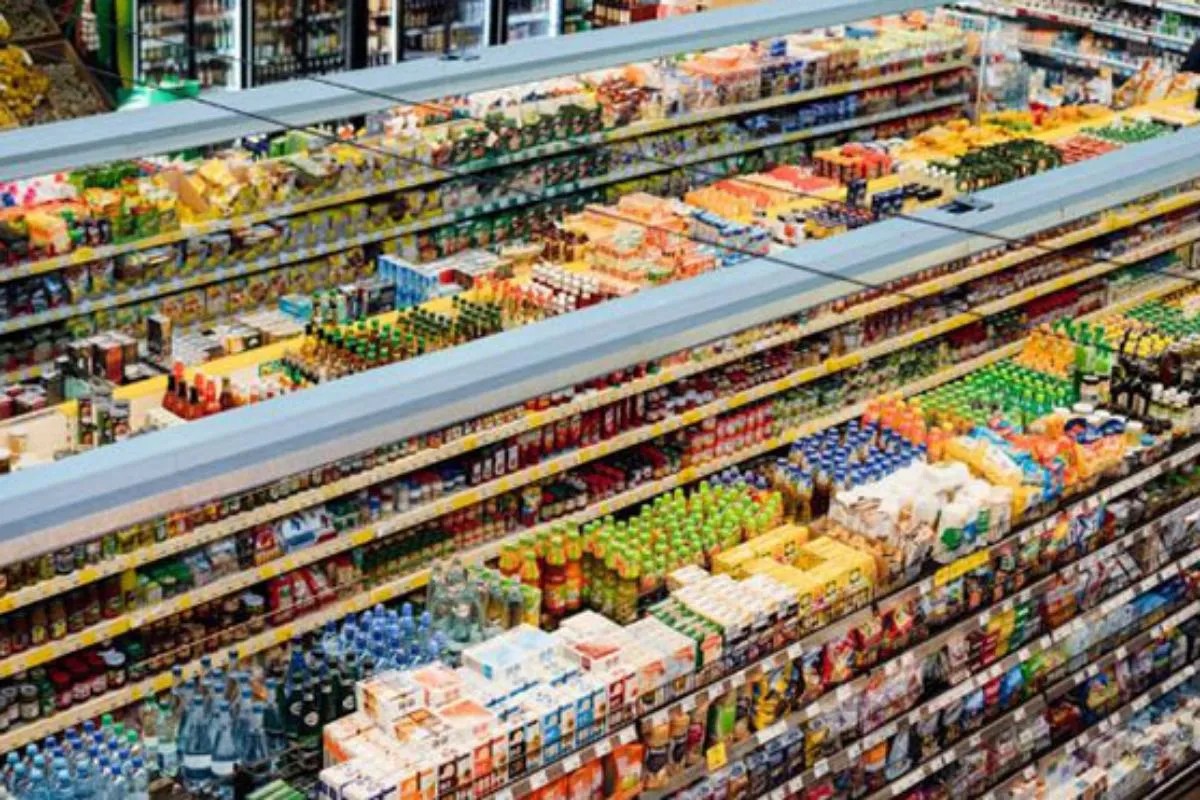
Everything gets more expensive to move, store, and sell. This is why "sticker shock" at the grocery store has become a national pastime. A carton of eggs or a gallon of milk isn't just a commodity; it’s a reminder that the currency in your pocket is losing its grip on reality.
The Illusion of the Strong Labor Market
The administration often touts low unemployment as a shield against criticism. However, this narrative ignores a brutal truth: a job is not a safety net if the wages it provides don't cover the rent. We are seeing a systemic erosion of worker leverage. Policies that have rolled back minimum wage protections for federal contractors and weakened collective bargaining rights are effectively hollowing out the middle class from the inside.
Take, for example, a hypothetical family of four in a mid-sized Midwestern city. In 2021, a combined household income of $75,000 might have provided a comfortable, if modest, life. In 2026, that same $75,000 feels like $50,000. The mortgage hasn't changed, but the property taxes have. The car hasn't changed, but the insurance premiums and maintenance costs have doubled. The "good" job hasn't changed, but the life it buys has shrunk.
Geopolitical Shockwaves and the Pump
The current conflict in the Middle East has acted as a catalyst for this domestic decay. As tensions escalate, the global energy market has responded with predictable volatility. American voters are sophisticated enough to see the connection between a drone strike ten thousand miles away and the price on the digital sign at their local Exxon.
Recent data shows that 85% of voters are terrified that rising gas prices will lead to an uncontrollable increase in the general cost of living. This isn't irrational fear; it is a learned response. When energy spikes, the economy enters a defensive crouch. Businesses pass costs to consumers, and consumers, already at their breaking point, simply stop spending on anything that isn't a necessity.
The Wealth Gap Becomes a Chasm
One of the most overlooked factors in this era of "worsening" finances is the divergence of experience based on income brackets. If you own assets—stocks, real estate, or high-yield portfolios—the current volatility is a storm you can weather from a sturdy ship. But for the 67% of Americans making under $50,000 a year, there is no ship. They are in the water.
- Lower-income households: Reporting record levels of concern regarding healthcare and basic utility payments.
- The "Only Fair" Crowd: A massive 37% of the population now describes their financial situation as "only fair," a polite euphemism for living one paycheck away from disaster.
- The Optimism Deficit: For the first time in recent history, the "better off next year" sentiment is being buoyed only by a hope for a change in leadership or a miracle, rather than any concrete improvement in current conditions.
This isn't a "vibe-cession" or a trick of the light. It is the predictable outcome of an economic strategy that prioritizes corporate health over household liquidity. When the 2025 tax structures favored the upper echelon while spending cuts targeted the social floor, the result was always going to be a spike in inequality.
The Death of the Safety Margin
What really defines this crisis is the disappearance of the margin for error. In decades past, a car breakdown or a broken tooth was a setback. Today, for a record number of Americans, it is a catastrophic event that can trigger a debt spiral.
Healthcare costs remain a persistent ghost in the machine. With average monthly premiums expected to double and millions of Americans considering dropping coverage altogether, the financial "floor" is effectively being pulled out from under the citizenry. Over half of the country is now genuinely concerned they won't be able to pay for a medical emergency next year.
This level of precarity changes how people live. It kills innovation because people are too afraid to quit a bad job to start a business. It kills the housing market because "starter homes" no longer exist at prices that make sense for someone whose grocery bill has doubled.
The record numbers saying their finances are getting worse aren't reading the news; they are reading their own bank statements. They see the numbers every Friday, and the numbers are telling them that the American Dream has been replaced by a game of survival. If the current trajectory remains unchecked, the "worse off" statistic isn't just a record—it's a warning of a fundamental breakdown in the social contract.
The economy is no longer working for the people who make it run. It is working for the people who own the machinery, leaving everyone else to fight over the scraps of a shrinking middle-class reality.