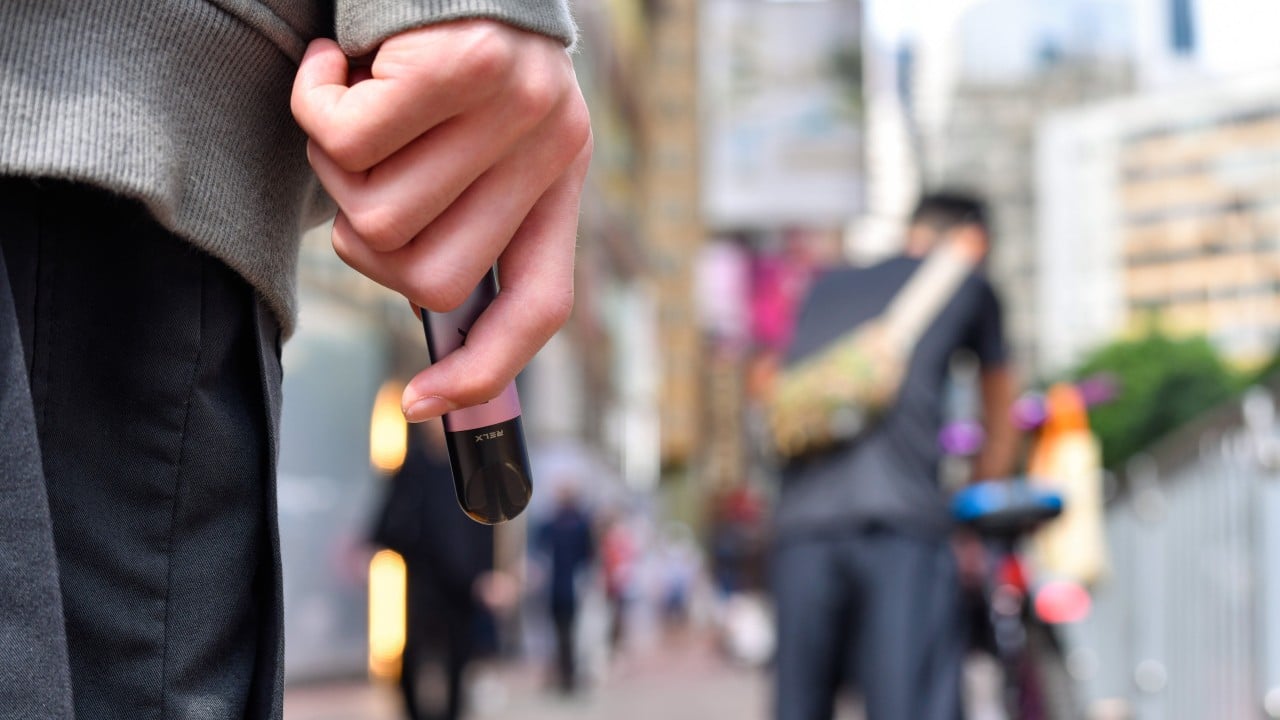
Starting April 30, 2026, the act of walking down Nathan Road with a vape in your pocket becomes a criminal liability. Hong Kong has moved beyond its 2022 ban on the sale and import of Alternative Smoking Products (ASPs). Now, the city is closing the final loop. Possession of e-cigarettes, heated tobacco sticks, or herbal cigarettes in any public space is now illegal. The grace period for "leftover stock" has evaporated, replaced by a legal framework designed to make the city smoke-free by any means necessary.
For the casual user, the stakes are high. Being caught with a single device or a handful of pods results in an immediate HK$3,000 fixed penalty. For those carrying larger quantities—defined as more than five pods or 100 heat sticks—the situation shifts from a nuisance fine to a criminal prosecution. Conviction on those terms brings a maximum fine of HK$50,000 and six months in prison.
The Zero Tolerance Infrastructure
The Tobacco and Alcohol Control Office (TACO) is not merely waiting for people to slip up. Plainclothes inspectors now possess the authority to demand identification and seize devices based on visual observation. While they are not performing body searches, the "one strike" policy means there are no warnings. If an inspector sees the tell-tale glow of an LED or a puff of vapor, the ticket is written.
The government's logic is straightforward. Since the import and sale of these products have been banned for four years, there is no longer a legal way to acquire them within the territory. Any device currently in a citizen's hand is, by definition, illicit. This scorched-earth policy aims to slash the smoking rate from its current 8.5% to 7.8% within the year.
Public Areas Redefined
The ban is not limited to active use. "Possession" is the keyword. This applies to:
- Public transport interchanges and queues: Even if the device is turned off and buried in a bag.
- Outdoor areas of restaurants and bars: Traditional "smoking sections" no longer offer protection for vapers.
- Streets and parks: Any space accessible to the general public.
The Digital Black Market Migration
Legislation rarely kills demand; it usually just changes the delivery method. With physical vape shops long shuttered, the trade has migrated entirely to encrypted platforms. Telegram and WhatsApp have become the primary storefronts for the city's nicotine habit.
Vapers are not "going" underground. They have been there since 2022. The new possession ban simply forces them to be more discreet about the "last mile" of the transaction. Sellers now use aggressive social media tactics, offering "first-purchase discounts" and referral bonuses to bypass platform detection. These illicit wholesalers often promise same-day delivery to any location in Hong Kong, sourcing their stock from overseas or duty-free loopholes that the government is still struggling to plug.
The risk profile for the consumer has shifted. Previously, the buyer only risked losing their money to a scammer or having a package seized at customs. Now, the buyer carries the risk every time they step out of their front door with the product.
Tourism and the Global Friction
The Department of Health maintains that this will not affect tourism, citing Singapore’s similar bans as a success story. However, the reality for international travelers is often a shock. Airlines like Cathay Pacific have updated their cabin announcements to warn passengers that any surrendered ASPs will not be returned.
Customs officers at Hong Kong International Airport are now briefed to intercept transit passengers who may have purchased refill pods duty-free in other jurisdictions. An executive on a short business trip, unaware of the local nuance, could find themselves facing a HK$3,000 fine at a client dinner just for having a disposable vape in their blazer.
The Enforcement Paradox
While the government celebrates this as a public health victory, the move raises questions about the future of private spaces. Current laws do not ban possession inside a private residence, largely due to the logistical nightmare of enforcement. Health authorities admit there is no timeline for a territory-wide ban that includes the home.
This creates a tension where the "public" becomes a high-risk zone while the "private" remains a sanctuary for a habit the state has declared illegal. It forces a segment of the population into a perpetual state of evasion.
The city is also preparing to implement a duty stamp system for conventional cigarettes and a ban on flavored tobacco. The goal is a total cultural shift away from nicotine. Whether this leads to a healthier population or a more sophisticated criminal class remains the unanswered question of the 2026 crackdown.
If you are currently holding stock, the options are dwindling. Surrender the products at designated drop-off points or risk the HK$50,000 penalty. The age of the "leftover" excuse is over.



