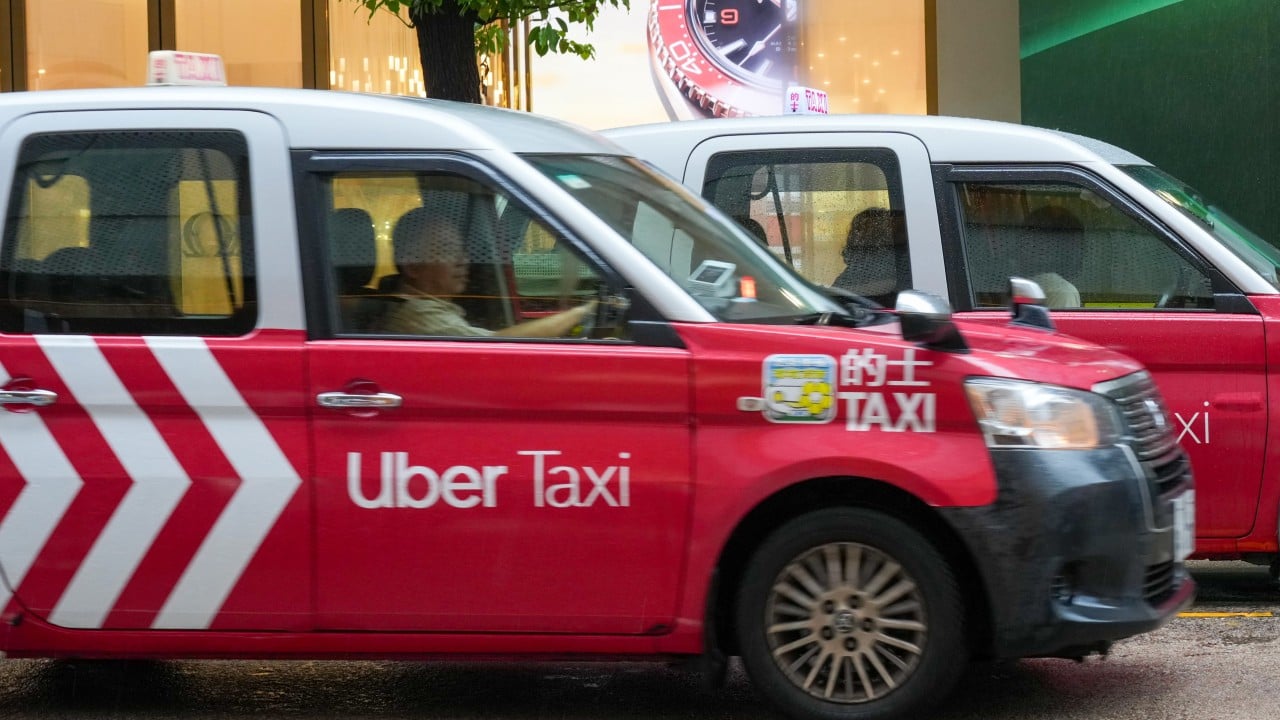
You are late for a meeting in Central. It is raining. You open your app, hoping for a ride, but the screen shows an estimated arrival time of twenty minutes. When the fare populates, it is nearly double what you usually pay. This is not a hypothetical nightmare. It is the looming reality for Hong Kong commuters if the government pushes forward with its latest regulatory crackdowns.
The Transport and Logistics Bureau recently submitted a proposal to the legislature outlining a strict cap of 10,000 vehicle permits for online ride-hailing services. The administration frames this hard ceiling as a prudent way to manage road resources and protect the traditional taxi industry. But the people actually using the service think the math makes zero sense.
A recent survey conducted by Uber reveals that 90% of passengers deem the proposed 10,000-permit cap very insufficient. Commuters know exactly what will happen when supply gets artificially choked. When you slash the number of available cars in a city that relies on rapid, on-demand transport, everybody loses.
The Massive Supply Shock Waiting to Hit Commuters
Hong Kong has a massive mismatch between real-world transportation demand and rigid bureaucratic limits. Right now, Uber has over 30,000 active drivers operating in the city. Forcing that pool down to a measly 10,000 permits cuts the active fleet by more than half overnight.
This kind of artificial restriction creates a supply shock that cannot be fixed by a simple promise of future policy reviews. Ride-hailing demand isn't static. It moves wildly throughout the day. Data shows that demand swings by as much as 66% between quiet mid-morning hours and the chaotic evening rush.
When you eliminate the flexible pool of part-time drivers, you destroy the system's ability to handle those surges. About 60% of current ride-hailing drivers work fewer than 20 hours a week. They log on when the city needs them most: during torrential downpours, after massive concerts at AsiaWorld-Expo, or when the subway lines are jammed. A strict quota system essentially outlaws these part-time operators.
Your Commute Is About to Get Much More Expensive
If these proposals go into effect by August 2027 as planned, your wallet will take a massive hit. Uber's internal projections estimate that passenger wait times during peak hours will easily double.
Worse, fares could skyrocket by up to 70%. Take a standard trip from Hong Kong Disneyland to Wan Chai. Right now, that ride costs roughly HK$250. Under the new 10,000-permit restrictions, that exact same journey could easily top HK$430 during busy periods.
The government argues that the cap protects the city's 18,000 licensed taxis. But local riders have spent years complaining about poor taxi service, refused hires, and drivers who miraculously change shifts the moment you need to cross the harbor. Instead of forcing the legacy taxi system to modernize, the current policy framework punishes the consumer for preferring a better alternative.
A Better Way Forward for Hong Kong Transit
Imposing a hard, arbitrary ceiling on permits is an outdated way to run a smart city. Major global hubs like London, Sydney, and various metropolises across mainland China do not use strict vehicle quotas. They let the market determine how many drivers are necessary to keep the city moving.
If the government insists on regulation, it needs to abandon the lottery or vehicle-ownership model for permit allocation. The rules should prioritize experienced drivers who currently rely on ride-hailing as their primary source of income. This protects livelihoods while maintaining a baseline of reliable service.
Instead of a static cap, the Transport Department should implement a dynamic, data-driven quota system.
- Quarterly adjustments: Review the permit ceiling every three months based on real-world metrics like average wait times and booking success rates.
- Automatic triggers: If citywide wait times exceed 15 minutes during peak hours, the system should automatically release more permits.
- Platform collective insurance: Drop the requirement for individual commercial coverage and adopt a collective, platform-wide insurance model to simplify administration.
If you are a frequent commuter, you need to stay vocal. Keep an eye on the upcoming Legislative Council debates as the transport framework moves toward its implementation phases. Write to your district representatives and emphasize that a rigid 10,000-vehicle cap will gridlock the city's transport network. Hong Kong wants to be a world-class digital hub, but it cannot get there by forcing its transport system decades into the past.