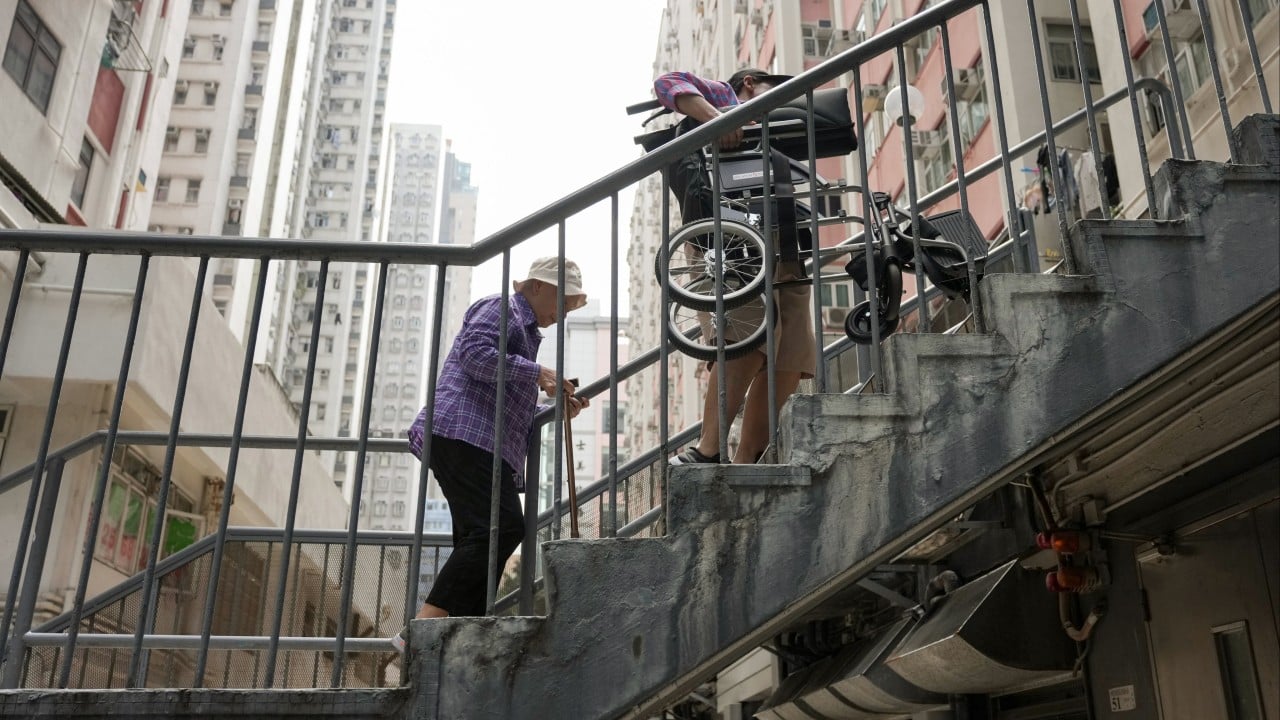
You want to be entirely self-sufficient when you grow old. It is a pride thing, a cultural norm, and honestly, just a practical reality in a city where nobody expects a government handout to fund a beachside retirement. Nine out of ten people in Hong Kong say maintaining absolute financial independence in their old age is a non-negotiable priority.
But wanting a self-reliant retirement and actually funding one are two completely different things.
The data shows a massive gap between what we want and what we are actually doing. While 90% of local residents demand self-sufficiency, only 52% are using active investments to fund their future lifestyle and care needs. The rest? They are sitting on piles of cash, crossing their fingers, or mistakenly assuming their Mandatory Provident Fund (MPF) will carry the weight. It won't. If you rely solely on savings accounts and basic pension contributions, you are essentially planning to work until you drop.
The Shocking Reality of Longevity in Hong Kong
We live in a city with one of the highest life expectancies on the planet. That sounds like a blessing, but financially, it can be a curse. The average local worker expects to navigate roughly 14 years of care dependency and 17 years of pure financial dependence during their twilight years. That is a staggering amount of time to live without a steady salary.
The math is simple but brutal. Most people here expect to burn through an annual average of about HK$94,000 just on unexpected healthcare needs as they age. Yet, fewer than six in ten feel remotely prepared to cover that cost.
Estimated Annual Unexpected Healthcare Cost: HK$94,000
Percentage of People Ready to Pay It: 57%
This is not a problem you can solve by skipping your morning generic coffee or clipping coupons. The underlying issue is that our financial planning horizons are dangerously short. A huge portion of the population does not even look at a retirement strategy until they are within two years of leaving the workforce. By then, the magic of compounding returns is completely off the table.
The Cash Trap Sabotaging Private Wealth
Walk into any local bank and you will see people lining up to lock their money into time deposits. It feels safe. It feels secure. But it is a silent wealth killer.
Singles and childless couples in Hong Kong hold roughly half of their entire financial portfolios in cash or fixed bank deposits. That is significantly higher than the regional average across Asia. While keeping liquidity makes sense when you need to pay rent in one of the most expensive property markets on earth, dragging that cash weight into your fifties destroys your purchasing power. Inflation eats cash for breakfast.
When you look at the actual savings accumulated by those nearing the finish line, the numbers are terrifying. Financial advisors generally recommend a nest egg of around HK$20 million to live comfortably in Hong Kong without drastically downsizing your life. However, among residents aged 55 to 65, only 16% have managed to save more than HK$10 million. You don't need a calculator to see the shortfall.
The local workforce is starting to realize the math does not add up, which is driving a massive shift toward "unretirement." Nearly 80% of people now expect to return to work after their official retirement. For a lucky few, it is about staying mentally active. For the vast majority, it is a matter of basic survival.
Two Major Mistakes Ruining Retirement Plans
If you want to escape the cycle of working forever, you have to fix two critical behavioral blind spots immediately.
Ignoring Preventive Health Checkups
We refuse to look under the hood because we are terrified of the repair bill. More than 80% of residents acknowledge that regular health screenings are vital for long-term survival. Yet, only 42% get one annually, and roughly one in five have never had one in their entire life.
Instead, nearly 40% of people confess they only visit a doctor when they suspect a serious condition has already taken hold. This delay does more than threaten your life; it completely wipes out your bank account. Treating stage-four illnesses costs a fortune compared to early intervention.
The Sandwich Generation Sacrifice
Filial piety is a beautiful cultural cornerstone, but it is creating a financial chokehold. Over 80% of local adults prioritize their family's immediate financial needs over their own long-term retirement security. More than half of us are simultaneously supporting aging parents and growing children.
Because we carry this double burden alone, we stay silent. More than 40% of people wrapped in this financial squeeze never discuss the pressure with anyone, and only 2% seek professional financial advice. You cannot build a personal safety net when you are secretly funding everyone else's life at the expense of your own.
Moving From Awareness to Actual Action
Desiring self-sufficiency means nothing if your asset allocation looks like a checking account. To close the readiness gap, you need to shift away from a wealth-preservation mindset and move toward an active income-generating strategy.
First, stop treating your MPF like a set-it-and-forget-it black box. Over half of local workers admit they have no clue what their MPF funds actually invest in or what kind of returns they are getting. Take control of your portfolio, move away from low-yield conservative funds if you still have a decade or more before retirement, and utilize Tax-Deductible Voluntary Contributions (TVC) to maximize your annual savings.
Second, reallocate your excess cash. Keeping more than 20% of your net worth in cash outside of an emergency fund is a mistake. Look toward diversified, income-generating asset classes—like high-quality dividend equities, global bonds, or annuities—that can reliably outpace inflation.
True independence does not come from working until your health fails. It comes from making your money work hard enough that you can eventually choose to step away on your own terms.